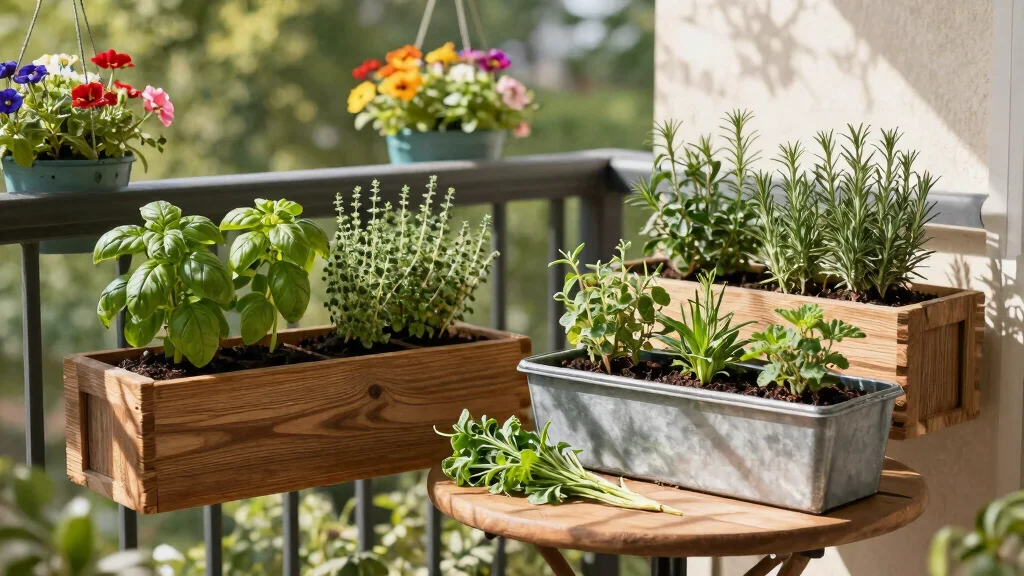
Gardening has a special magic, especially when it comes to growing your own herbs right at home. If you’re feeling inspired to create a little green oasis in a small space, you’ve come to the right place! This post is all about fun and practical herb planter box ideas that are designed to drain well and resist rotting, so your herbs can thrive in any setting. From cozy balconies to tiny backyards, these creative solutions will make your herb gardening aspirations a reality.
If you’re someone who loves fresh flavors and the joy of nurturing plants, these ideas are perfect for you. Whether you’re a seasoned gardener or just starting, you’ll find something to inspire your next DIY project. The 15 unique designs shared here will not only elevate your culinary game but also add an artistic touch to your space. Get ready to explore various styles and materials that are both functional and visually appealing!
By the end of this post, you’ll have a treasure trove of herb garden ideas and practical tips for building your own planter boxes. You’ll learn about materials that won’t rot and how to incorporate effective drainage solutions for planters. With the right knowledge, you’ll be on your way to growing an herb garden that flourishes without the hassle of leaks or rot. Let’s dig in!
1. Stacked Wooden Planters
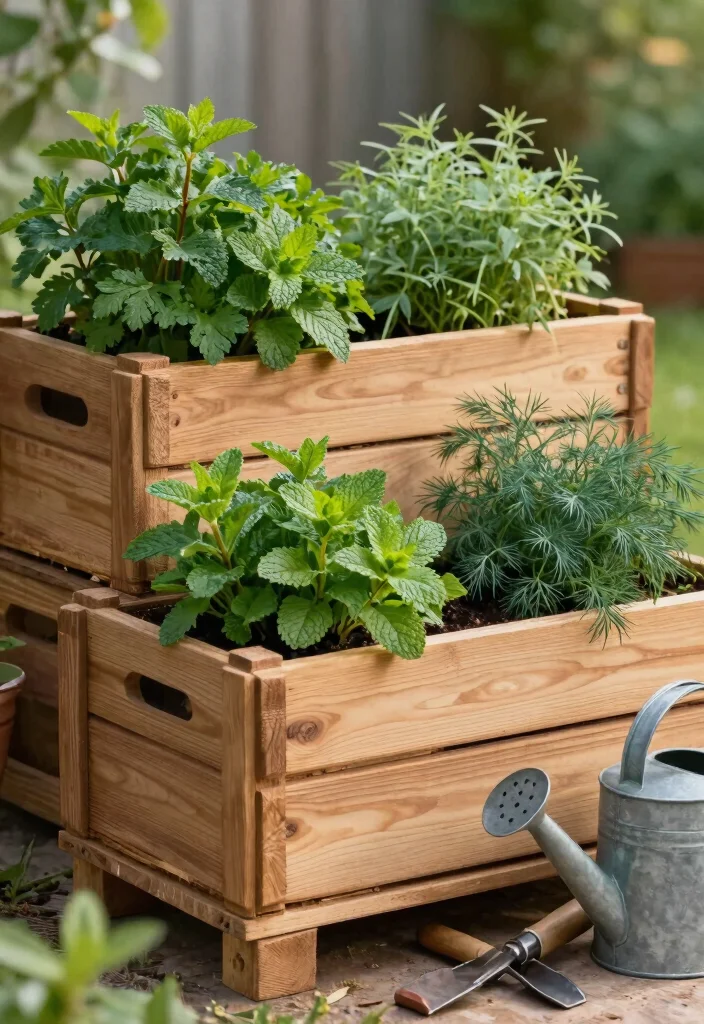
Are you limited on space but still want a lush herb garden? Stacked wooden planters are a fantastic way to create a vibrant herb display while saving room. Using rot-resistant woods like cedar or redwood ensures your planters will last, while small drainage holes at the bottom let excess water escape, keeping roots healthy and dry.
Start by determining the height of your stack based on your available space. You can also personalize each box with paint or stains that match your garden’s aesthetic. This approach not only maximizes vertical space but also creates an inviting look for your kitchen or patio.
Key features of stacked wooden planters:
– Natural Aesthetic: Complements your garden’s greenery beautifully.
– Flexible Heights: Adjust the stack to suit your needs.
– Easy Access: Reach herbs without bending over too much.
Embrace this design to transform your outdoor area into a charming kitchen garden right at your doorstep!

100% Cedar Wood: Our garden bed is constructed using sustainably sourced cedar wood, known for its durability against the elements.

SPACIOUS PLANTING AREA:The 48"L × 24"W × 30"H raised garden bed provides ample space for vegetables, herbs, flowers, and fruits. Its spacious design supports healthy plant growth with a 300 lb weight capacity.

Elevate Your Garden - Opt for a brilliantly engineered raised garden bed to revolutionize your gardening. Its spacious design, measuring 48x24x30 inches, allows for the cultivation of multiple vegetable varieties alongside a plethora of herbs, optimizing your gardening space for ease and diversity.
2. Vertical Pallet Planters
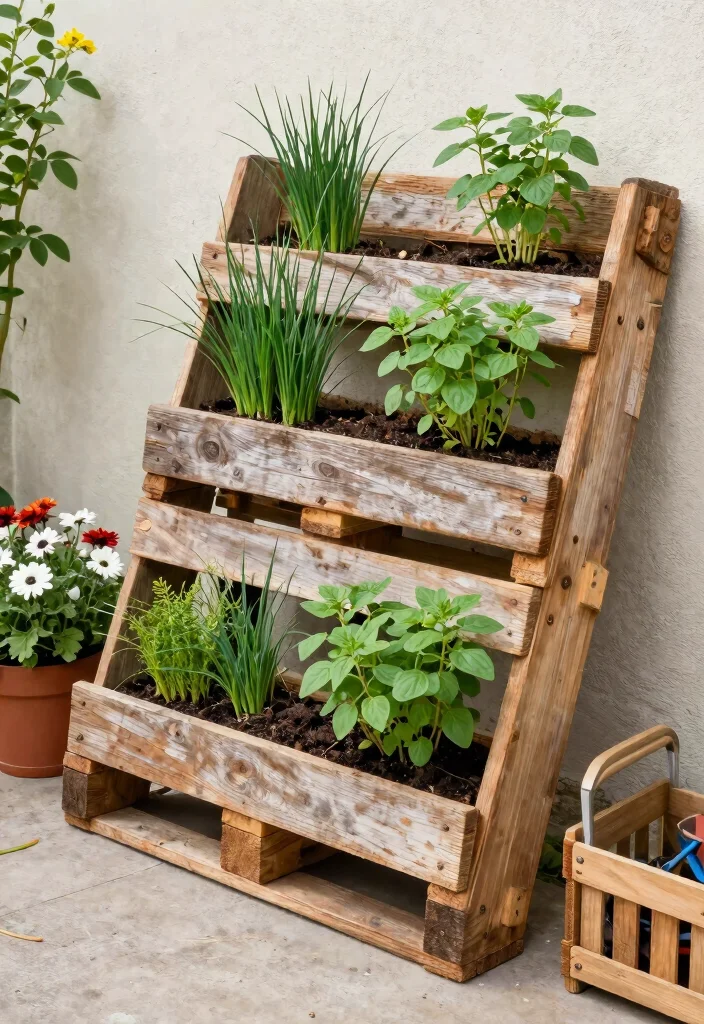
Looking to create a herb garden that stands out? Vertical pallet planters are not only eco-friendly but also perfectly suited for small spaces. Simply set a wooden pallet upright, fill the openings with soil, and plant your favorite herbs. To prevent rot, line the back with plastic sheeting and ensure proper drainage.
For the best results, consider using a waterproof liner to protect the pallet from moisture. Fast-growing herbs like basil and cilantro thrive in this setup, and placing the pallet in a sunny spot helps them flourish. This design doubles as a rustic decor piece that enhances any space.
Here are some tips for vertical pallet planters:
– Use a Waterproof Liner: Protects wood from moisture damage.
– Select Fast-Growing Herbs: Ideal for tight spaces.
– Position Wisely: Ensure ample sunlight for healthy growth.
This creative planter not only saves room but also adds a unique touch to your garden or patio.

High-Quality Material: Made of ultra-durable non-woven fabric, this piece of landscape fabric is the perfect liner for the Large Vegetable Tank Outdoor Large Raised Bed. The liner is porous enough to allow excess water to drain and tough enough to stop soil from escaping

Generous Set: you will receive 36 black rectangular thickened plastic planter liners, ideal for large planting needs; Each liner is sized at 10.5×3×3.5 inches, ensuring a ideal fit for 12 inch planters or window boxes without loosening; As a practical planter insert, it helps you organize gardening projects easily

The outer basin is made of high quality plastic, safe, non-toxic and durable, and is also suitable for outdoor use.The surface is treated with a lacquer finish and has a high gloss.
3. Hanging Herb Planters
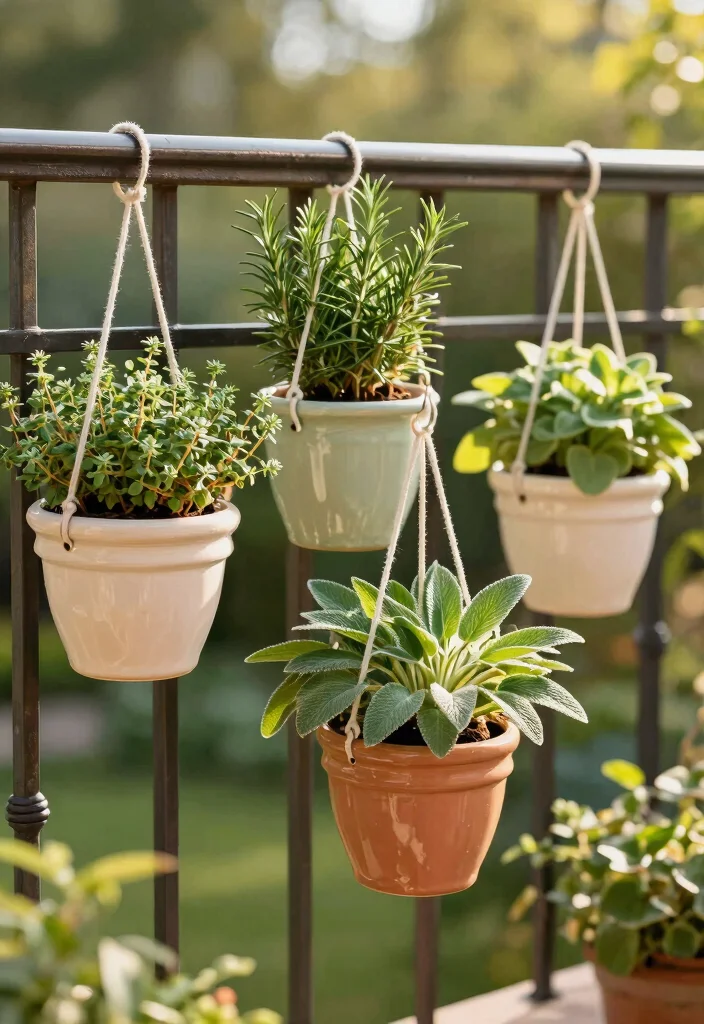
Want to add a touch of elegance to your herb garden? Hanging planters are a perfect solution for those with limited floor space. By suspending pots at different heights, you create visual interest while ensuring proper drainage with pots featuring drainage holes. Materials like lightweight metal or ceramic can enhance the aesthetic.
To make the most of your hanging planters, mix different herbs with varying growth habits for a dynamic look. Also, be sure to place them in a location that receives adequate sunlight based on each herb’s needs. Regular watering is crucial, as hanging containers can dry out more quickly.
Here are some tips for hanging herb planters:
– Mix and Match: Combine herbs with different growth habits.
– Sunlight Needs: Position based on light requirements.
– Water Regularly: Check moisture levels frequently.
This setup keeps your herbs within reach and adds a charming element to your kitchen or balcony.
Fun fact: In tiny kitchens, hanging herb planters free up 50% of counter space and keep fresh herbs within reach. With 3 simple steps—use lightweight pots, secure sturdy hooks, and water slowly to prevent drips—you’ve got instant herb planter ideas indoor that actually work.

Size: 60×29×11 in, 68 gallons of soil required.

Size: 60×29×11 in, 68 gallons of soil required.
4. Corner Wall Planter Boxes
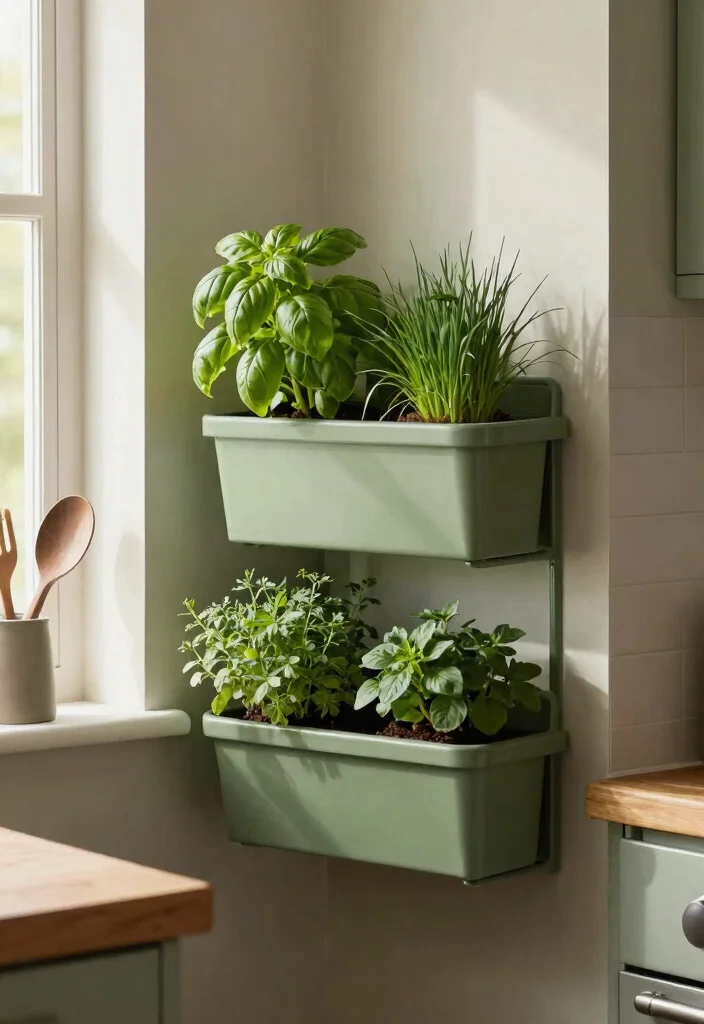
Struggling with limited space? Corner wall planter boxes are a stylish solution that fits snugly into any corner of your home or garden. By selecting rot-resistant materials like composite wood, you can create a healthy environment for your herbs that withstands the elements.
Consider a tiered structure to maximize your planting area and add colorful finishes to bring your planters to life. Decorative accents, such as fairy lights, can enhance the ambiance in the evening, making this setup both functional and attractive.
Inspiration for corner wall planter boxes:
– Tiered Structure: Create levels for various herbs.
– Colorful Finishes: Brighten your space with fun colors.
– Decorative Accents: Add fairy lights for nighttime charm.
This design not only maximizes your space but also serves as an eye-catching focal point in your home.
Fun Fact: A two-tier corner wall herb planter box can double your herb-growing area in a single corner—up to 60% more plants with the same footprint. Use rot-resistant composite wood, keep herbs thriving, and add fairy-light accents for evening charm.
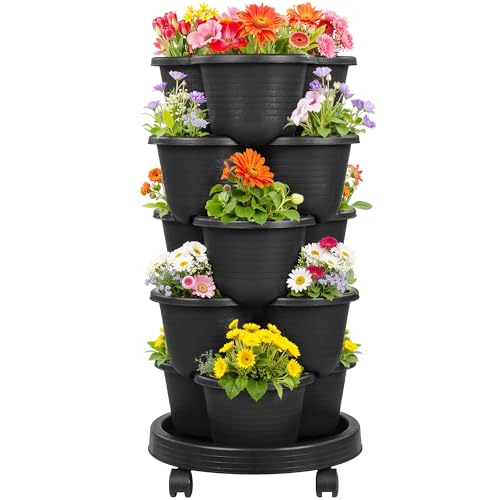
Space-Saving : This strawberry planter maximizes your gardening space by stacking 5 layers to grow more plants in a compact area. The strawberry tower planter is ideal for patios, balconies, or indoor use
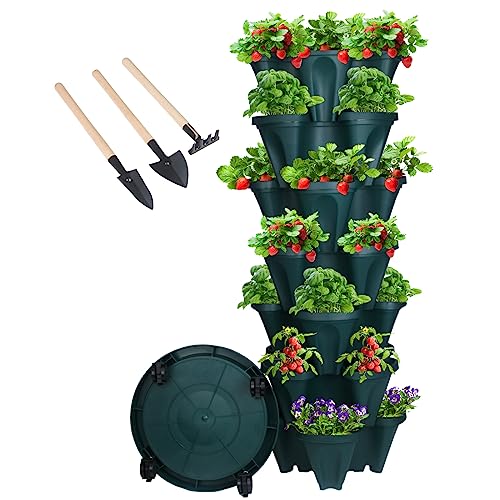
SAVE FLOOR SPACE - Stackable vertical planter tower

MADE IN THE USA – SUPPORTS 3 SMALL BUSINESSES Proudly manufactured in the United States. Every Smart Spring planter purchased directly supports three small U.S. businesses, helping keep jobs and production local.
5. Gutter Planters
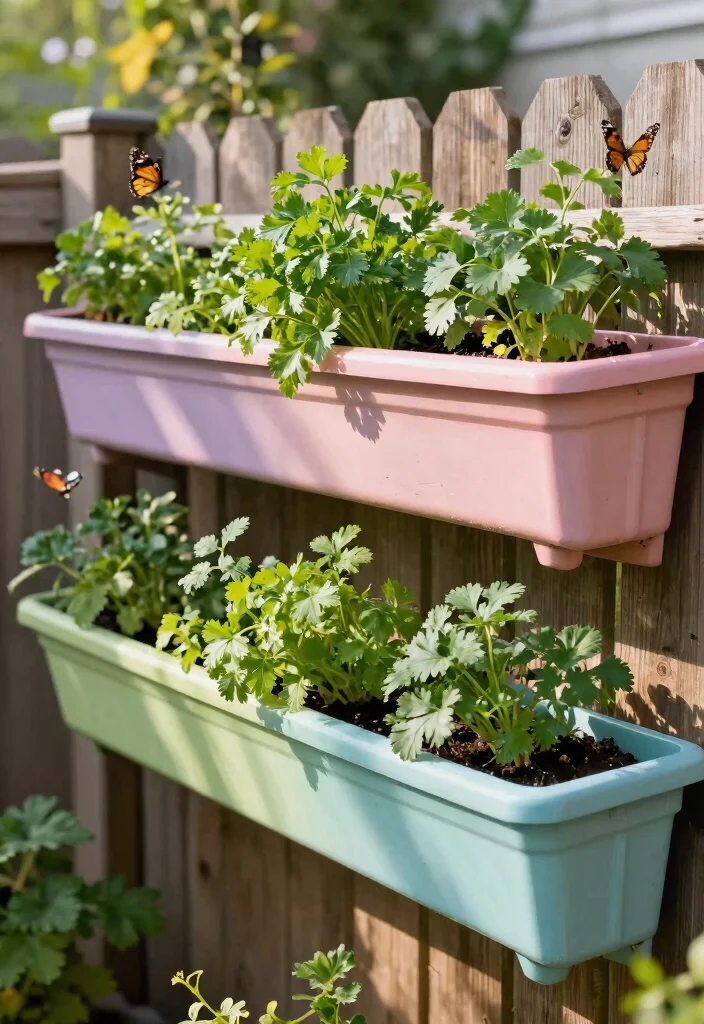
How about giving your old gutters a new life? Repurposing them into vertical herb planters is an eco-friendly and stylish option that provides excellent drainage. Simply cut the gutters to your desired lengths, attach them horizontally to a wall or fence, and fill them with soil and herbs.
Make sure to cut drainage holes at the bottom to prevent water from pooling. Painting the gutters in bright or pastel colors can turn your planters into delightful features that brighten up any garden. Growing compact herbs like oregano or chives works best in this shallow setup.
Here are some creative ideas for gutter planters:
– Paint the Gutters: Use bright colors for added flair.
– Grow Compact Herbs: Ideal for shallow soil.
– Easy Maintenance: Simple to harvest and care for.
This modern approach to herb gardening not only looks quirky but is also highly practical.

Space-Saving : This strawberry planter maximizes your gardening space by stacking 5 layers to grow more plants in a compact area. The strawberry tower planter is ideal for patios, balconies, or indoor use

High-Quality PE Material with Drainage Hole: Crafted from durable and flexible PE material, these grow bags are built to withstand outdoor conditions without cracking. The bottom drainage hole provides essential airflow to roots and prevent overwatering and root rot, ensuring your plants thrive in a well-aerated environment.

【Self-Watering Design】These 4 inch self watering pots for indoor plants are designed with a wick rope that draws water from the reservoir at the bottom. The set of 6 plastic self watering planter provides an optimal air circulation system for plant roots
6. Metal Bucket Herb Gardens
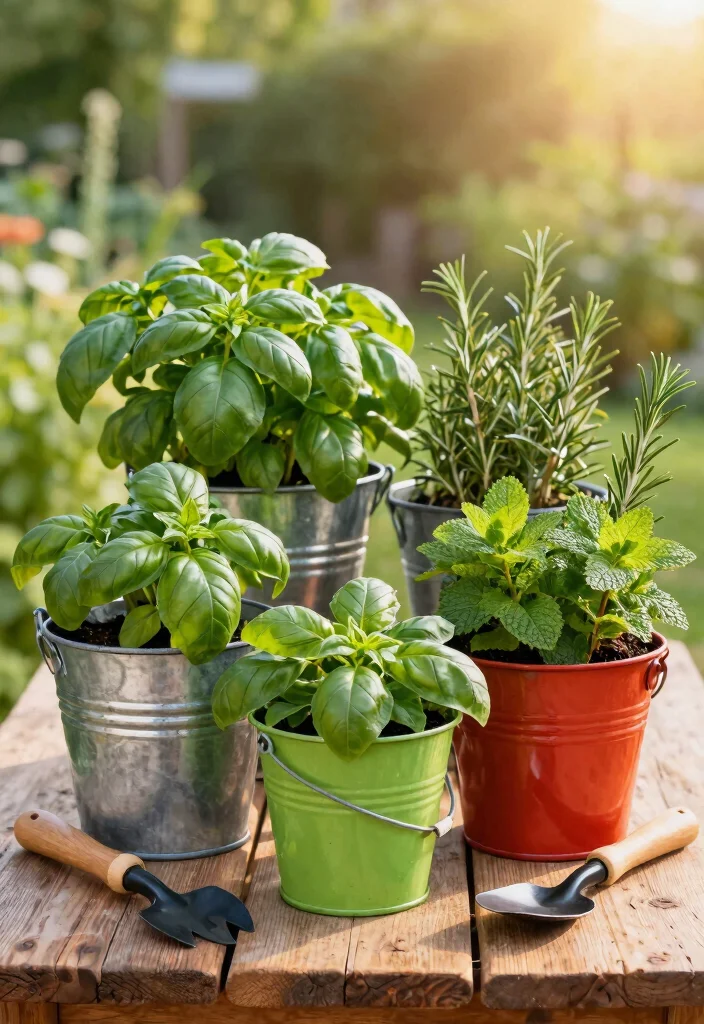
Looking for a rustic charm in your herb garden? Using old metal buckets as planters is an excellent way to achieve that look. You can arrange them in a vertical stack or spread them across a flat surface. Just ensure that the buckets have drainage holes to avoid rot, and consider herbs like mint or basil that thrive in containers.
Using buckets of varying heights adds visual interest, and personalizing them with paint can enhance their appeal. Plus, their mobility allows you to easily move them for sunlight or to protect them from harsh weather.
Key insights for metal bucket herb gardens:
– Variety of Heights: Mix different bucket sizes for dynamics.
– Personalize with Colors: Paint for a vintage or modern look.
– Mobility: Easily reposition them as needed.
This approach beautifully combines functionality with style for enjoying fresh herbs.
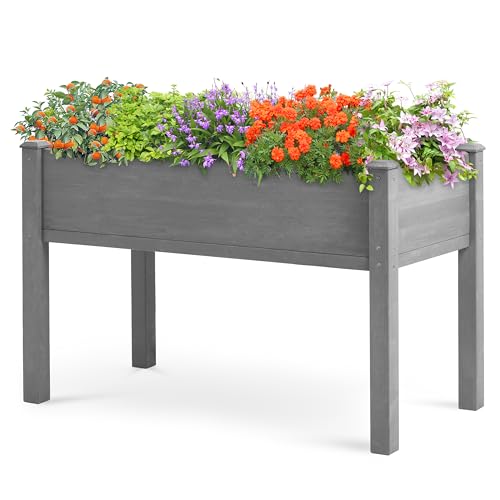
【SPACIOUS PLANTING AREA】: The raised garden bed provides a 48" × 24" × 30" planting area for vegetables, herbs, flowers, and fruits. With a 300 lb capacity, this vegetable planter offers plenty of space for healthy growth.


SPACIOUS PLANTING AREA:The 48"L × 24"W × 30"H raised garden bed provides ample space for vegetables, herbs, flowers, and fruits. Its spacious design supports healthy plant growth with a 300 lb weight capacity.
7. Recycled Wine Crates
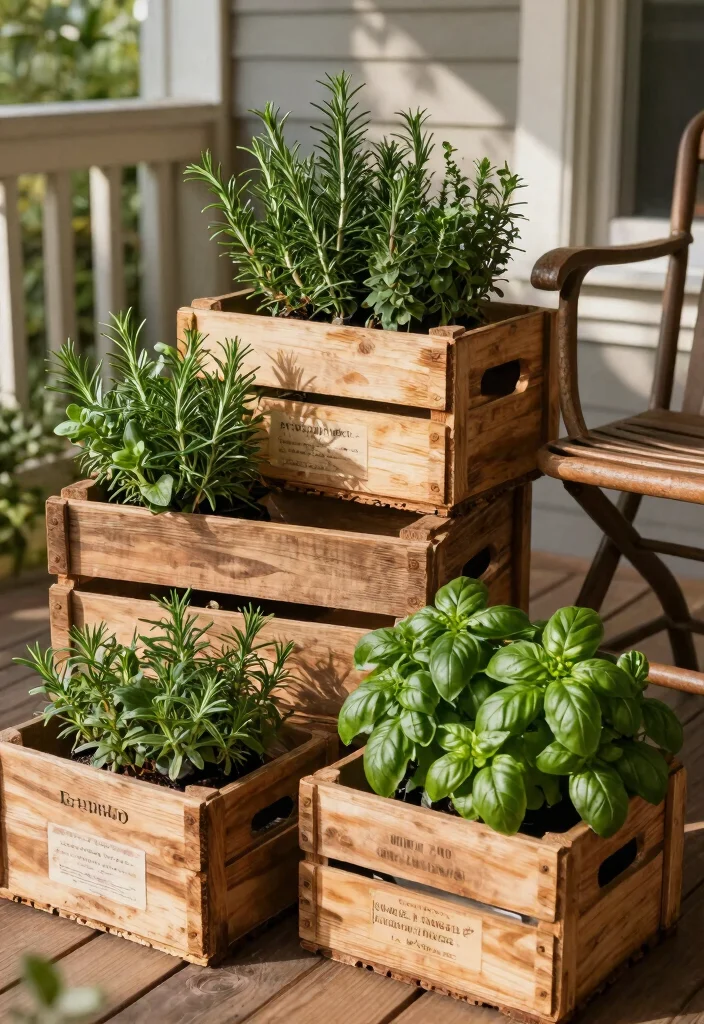
Do you have old wine crates lying around? They can be transformed into charming herb planter boxes that add character to your garden. Simply line the inside with plastic, fill with potting soil, and plant your herbs. You can stack or arrange them side by side to optimize vertical space.
Consider painting or stenciling the crates for a personalized touch. Ensuring proper drainage by elevating the crates on wood blocks helps keep your herbs thriving. These planters are easy to move around for optimal sunlight exposure.
Helpful tips for using recycled wine crates:
– Stenciling or Painting: Personalize each crate.
– Drainage Management: Elevate for better drainage.
– Mobility: Easy to reposition as needed.
With their rustic charm, wine crates make a unique addition to your herb garden.
Fun fact: Upcycled wine crates can hold 4–6 herbs in a compact vertical stack, freeing precious space in small gardens. Line the inside, elevate on wood blocks for drainage, and customize with paint or stencil for a personal touch—your herb planter box is ready to move and thrive.

FLEXIBLE HORTICULTURAL PLANTER LINER BAG – Heavy-duty plastic liner designed to fit inside square and rectangular planter boxes. This is a flexible liner, not a rigid container. Planter box is not included.

Convenient Self-Watering Design: Features a distinctive two-layer self-watering system; The inner container elevates the plants and includes water-absorbent strips at its base that ensure good drainage function; This ingenious design maintains soil moisture at an ideal level, preventing it from becoming overly saturated and safeguarding against root rot

EFFORTLESS WATERING SYSTEM: This self watering planter uses absorbent cotton wicks to automatically deliver water to plant roots through capillary action, keeping soil evenly moist for days. A perfect solution for busy plant lovers who want healthier growth without daily watering
8. Fabric Grow Bags
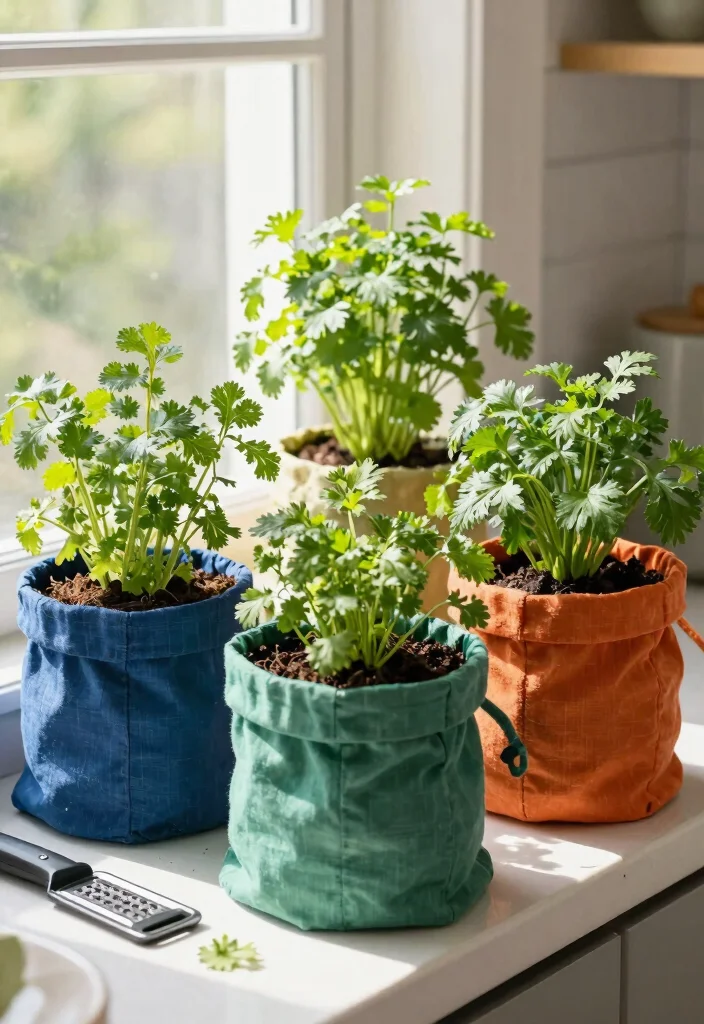
Interested in a low-maintenance herb garden? Fabric grow bags are an excellent alternative to traditional pots, providing great drainage and air circulation for root health. Available in various sizes, these bags can be hung or placed on a shelf, making them versatile for any space.
The lightweight nature of fabric bags allows for easy relocation to capture the sun. Additionally, the breathable material promotes healthy root growth, preventing overwatering. These bags are perfect for maximizing vertical space without compromising on style.
Benefits of using fabric grow bags:
– Lightweight & Portable: Easily move to catch sunlight.
– Breathable Material: Supports healthy root development.
– Space Saving: Stack or hang efficiently.
This option is ideal for anyone wanting a stylish and practical herb garden.


9. DIY Concrete Planters
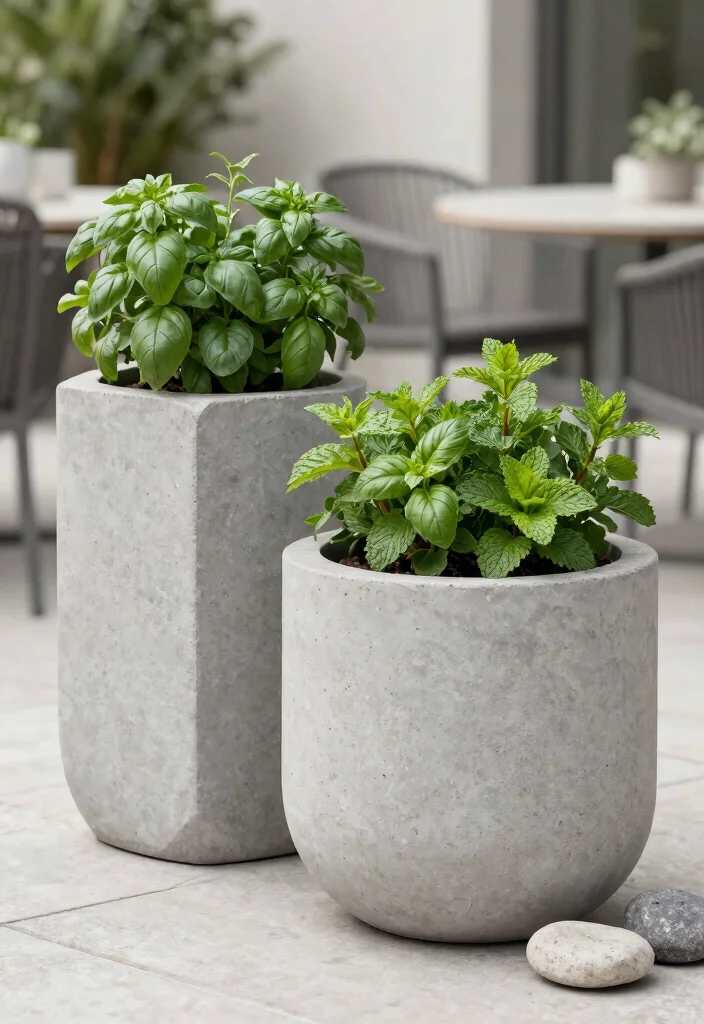
Want a modern touch in your herb garden? Consider crafting your planter boxes from concrete. This durable, rot-resistant material offers excellent drainage when designed properly. You can mold the concrete into various shapes—rectangular, round, or even uniquely sculptural forms to match your style.
Add texture or designs to the concrete for a stylish flair. Including gravel or small stones at the bottom can enhance drainage, while painting or sealing the exterior allows for a colorful finish. Concrete planters not only look elegant but also highlight your herbs beautifully.
Design tips for DIY concrete planters:
– Add Texture: Incorporate designs for visual interest.
– Drainage Solutions: Use gravel for efficient drainage.
– Personalization: Paint for a unique touch.
This design combines durability with contemporary style for a stunning herb display.

EASY MOVE - Comes with four high-weight-bearing wheels.

HOLDS MULTIPLE PLANTS – This 3-tier planter can hold up to 9 different plants at once! Mix and match a large variety of different flowers, vegetables, and herbs! This planter helps you save space, while adding style to your home.

3-TIER VERTICAL DESIGN: Features three spacious planting tiers, each measuring 33.9 inches wide, to maximize your growing space while keeping a compact footprint.
Key Trade-offs & Our Top Pick
Option 1: Stacked Wooden Planters
– Pros:
– Provides a rustic look that enhances any garden.
– Can be customized in size and shape to fit your space.
– Allows for easy access to herbs at different heights.
– Cons:
– Susceptible to rot if not treated properly.
– Requires regular maintenance to keep wood from degrading.
– Can be heavy, making it harder to move around.
– Best for: Those who love a classic, natural aesthetic and have the time for maintenance.
Option 2: Vertical Pallet Planters
– Pros:
– Space-saving design ideal for small gardens or patios.
– Easy to build with minimal materials and tools.
– Great for a variety of herbs and some vegetables.
– Cons:
– Requires a sturdy backing for stability.
– Wood can deteriorate over time, leading to potential rot.
– Limited growing space per herb compared to larger planters.
– Best for: Beginners or DIY enthusiasts looking for an affordable option.
Option 3: Hanging Herb Planters
– Pros:
– Maximizes vertical space, perfect for tight areas.
– Drains well due to airflow around the herbs.
– Adds a decorative touch to balconies or walls.
– Cons:
– Limited depth restricts root growth.
– May require frequent watering due to exposure to wind and sun.
– Can be hard to reach for maintenance or harvesting.
– Best for: Urban gardeners who want to utilize every inch of space effectively.
Option 4: Gutter Planters
– Pros:
– Inexpensive and easy to assemble using standard materials.
– Excellent drainage due to sloped design.
– Can be painted for a personalized touch.
– Cons:
– Requires mounting on walls, which might not be suitable for all spaces.
– Limited depth may restrict larger herbs.
– Needs consistent monitoring to prevent drying out.
– Best for: Those looking for a quick, budget-friendly solution for herb gardening.
Option 5: Metal Bucket Herb Gardens
– Pros:
– Durable and rot-resistant materials ensure longevity.
– Attractive and unique look that can accentuate any patio.
– Easy to move around, making it versatile.
– Cons:
– Metal can heat up in direct sunlight, which may harm roots.
– Requires drilling for proper drainage.
– Some designs may be pricey compared to wood or plastic options.
– Best for: Gardeners wanting a stylish and mobile option that lasts longer.
Best Overall: Vertical Pallet Planters
Vertical pallet planters stand out as the top choice for most people. They’re affordable, easy to create, and make excellent use of vertical space. You can grow a variety of herbs with minimal materials. Plus, this option easily fits into both small and large gardens, making it versatile. You’ll appreciate the charm they add to your outdoor area without breaking the bank.
Why We Picked This:
While vertical pallet planters are our favorite, you might prefer other options based on your specific needs. If you’re looking for something more decorative, metal buckets might catch your eye. For those who want a classic garden feel, stacked wooden planters are worth considering. Weigh your options based on space, aesthetic, and maintenance requirements to find the best fit for your herb garden!
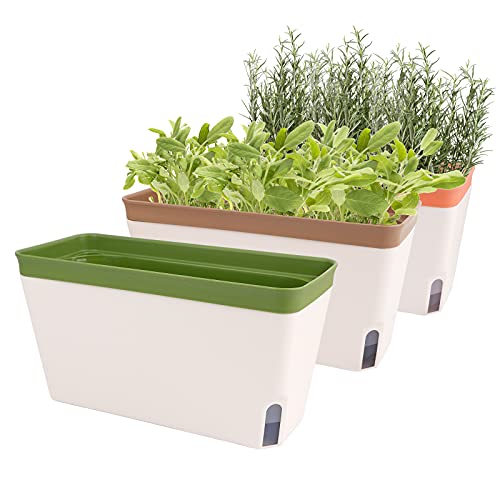
SELF-WATERING PRINCIPLE: Through two absorbent cotton ropes, the self watering pots provide water to the soil and keep the soil moist through the principle of osmosis, without having to water the plants regularly. Even if you leave home for a few days, it can help you take care of the plants and avoid plants die from water shortage.

【Indoor Herb Garden】Experience the joy of gardening with our specialized indoor herb planter. This set includes a planter with a tray but does not come with plants and seeds. Designed specifically for herb cultivation, these planters can be used both indoors and outdoors. Crafted from durable metal with a sleek, glossy white finish, they blend functionality with a farmhouse style to enhance your living space.

HERB PLANTS & SEEDS - Start an indoor herb garden from seed with basil, chives, dill, cilantro and parsley, each in its own burlap pot.
10. Terracotta Pot Stack
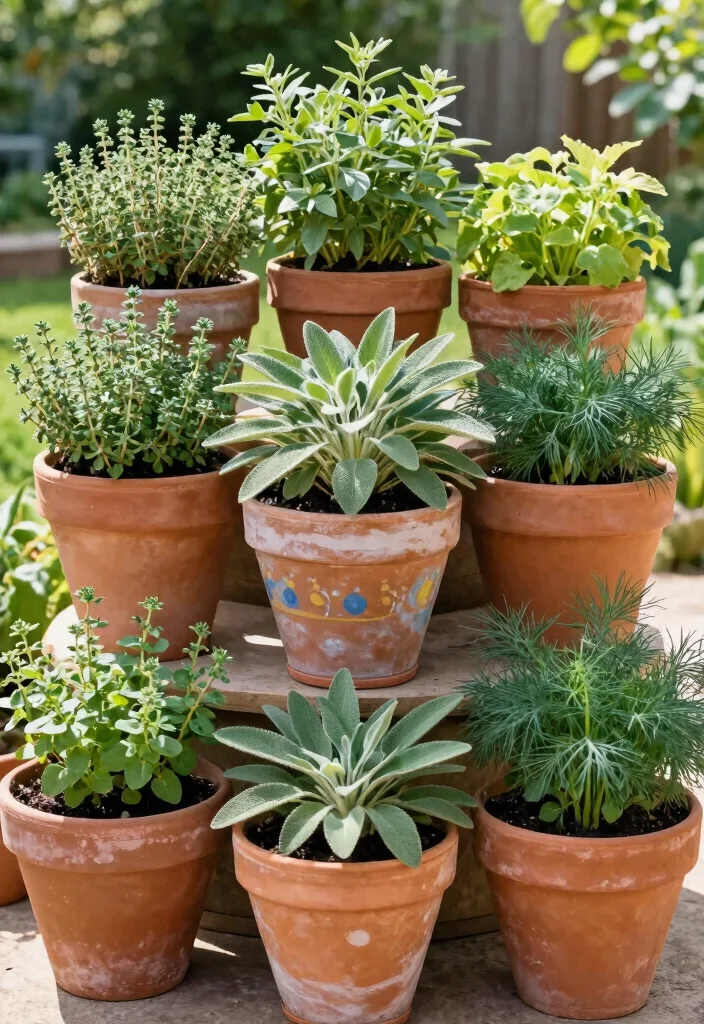
Are you drawn to the natural beauty of terracotta? Stacking terracotta pots creates a stunning vertical herb garden that’s both functional and visually appealing. Choose pots with drainage holes to allow excess water to escape, preventing root rot and overwatering.
Mix herbs with similar water and light needs for optimal growth. You can also paint the pots for a fun, personalized touch, and stacking them at different angles creates an eye-catching display. This arrangement allows your herbs to thrive while enhancing your space.
Container gardening tips for terracotta pot stacks:
– Plant Varieties Together: Group herbs with similar needs.
– Colorful Accents: Customize pots with paint.
– Tiered Arrangement: Stack at angles for visual interest.
This setup not only provides ample room for your herbs but also serves as a charming focal point in your garden.
11. Reclaimed Wood Planters
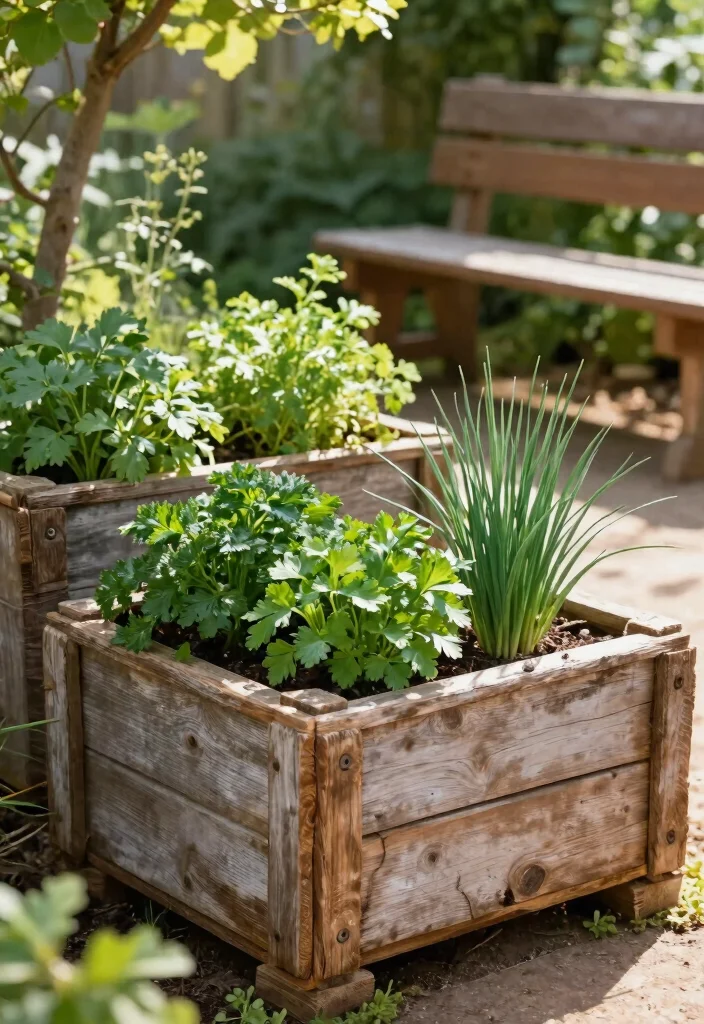
Interested in a sustainable gardening option? Crafting planter boxes from reclaimed wood adds both character and eco-friendliness to your garden. This choice allows for creative freedom in design and size, and using rot-resistant finishes enhances durability against the elements.
Embrace the natural imperfections of reclaimed wood for a rustic charm, and consider stacking pieces for a tiered look or creating a long, low planter for a striking herb display. Adding stenciled designs or colors can elevate the visual appeal even more.
Design inspirations for reclaimed wood planters:
– Rustic Charm: Highlight natural wood imperfections.
– Vertical Options: Create tiered or long planters.
– Personal Touches: Stencil or color for customization.
This approach celebrates sustainability while offering a beautiful home for your herbs.
12. Wine Barrel Planters
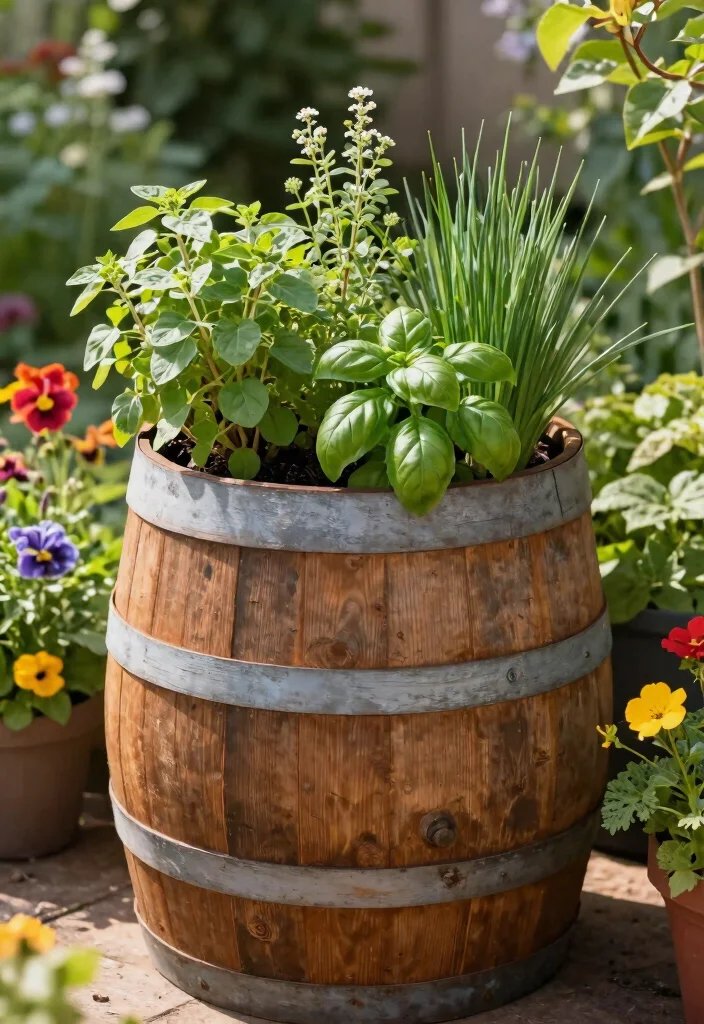
Have an old wine barrel you want to repurpose? Transforming it into a charming herb garden is a fantastic idea! You can cut the barrel in half or leave it whole for a larger planting area. The wood used in barrels is treated for moisture, making them naturally rot-resistant when used correctly.
Drilling drainage holes in the bottom prevents water accumulation, while layering gravel before adding soil provides extra drainage. Planting a mix of herbs like rosemary and thyme creates a beautiful and functional garden space.
Tips for success with wine barrel planters:
– Drainage Hole Creation: Prevent water buildup with holes.
– Layering Technique: Use gravel for drainage support.
– Variety of Herbs: Mix herbs that complement each other.
This idea not only looks stunning but also offers ample planting space for herb enthusiasts.
13. Upcycled Kitchenware
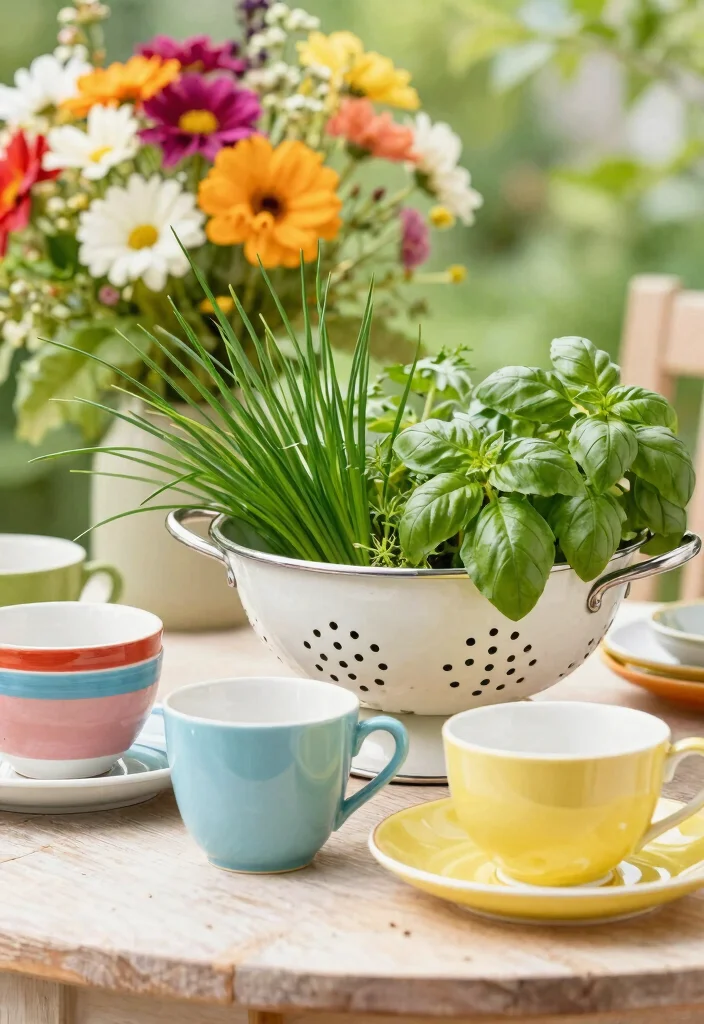
Want to add a quirky touch to your herb garden? Upcycling old kitchenware like teacups or colanders into herb planters is a fun and creative approach. This whimsical style adds character to your garden and serves as an excellent conversation starter. Just make sure to create drainage holes for proper moisture control.
Teacups work well for small herbs like chives, while colanders provide superb drainage for moisture-loving varieties. Mixing and matching different sizes and colors can create a playful vibe that brightens your space.
Ideas for using upcycled kitchenware:
– Teacup Planters: Ideal for small herbs.
– Colander Planters: Great drainage for moisture-loving herbs.
– Mismatched Collection: Create a playful assortment.
This creative approach not only enhances your garden but also promotes sustainability.
14. Vertical PVC Planter
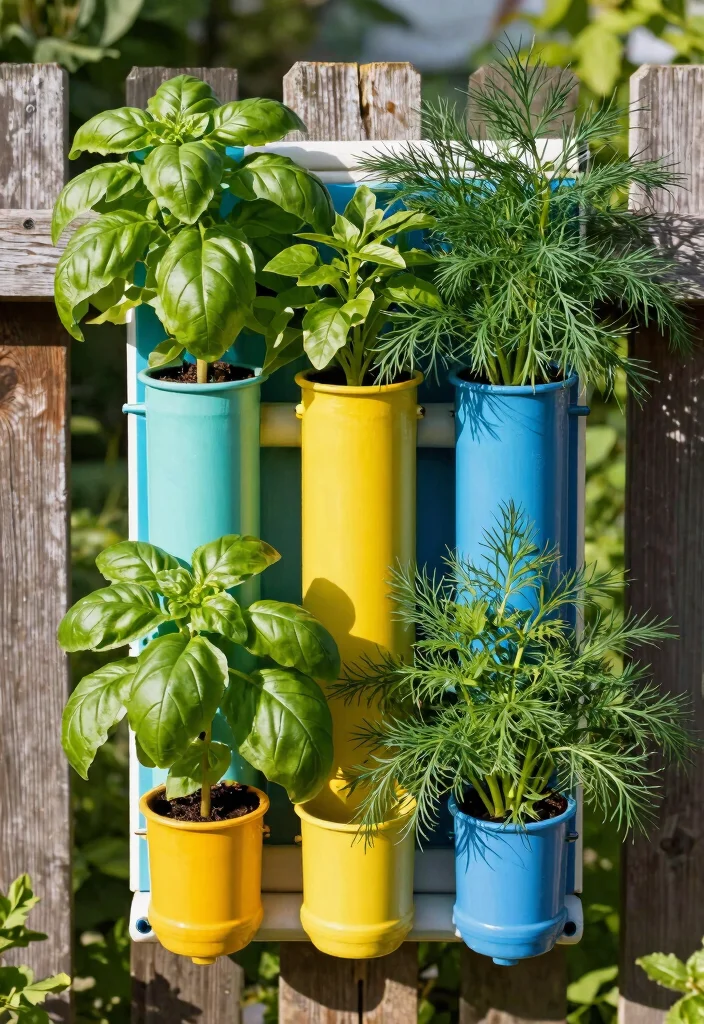
Looking for an innovative way to grow herbs? Vertical PVC planters are an affordable solution that maximizes your gardening space. Cut PVC pipes to your desired lengths, drill drainage holes, and secure them upright in a frame for an efficient herb garden.
This design is highly customizable; you can paint the exterior or decorate it with other materials to match your style. Watering can be done from the top or with a hose for easy maintenance, making this setup both practical and fun.
Benefits of vertical PVC planters:
– Space-efficient: Maximize your gardening layout.
– Customizable: Personalize with paint or decorations.
– Easy to Water: Convenient watering options.
This modern approach adds a unique twist to your herb gardening experience.
15. Eco-friendly Straw Bales
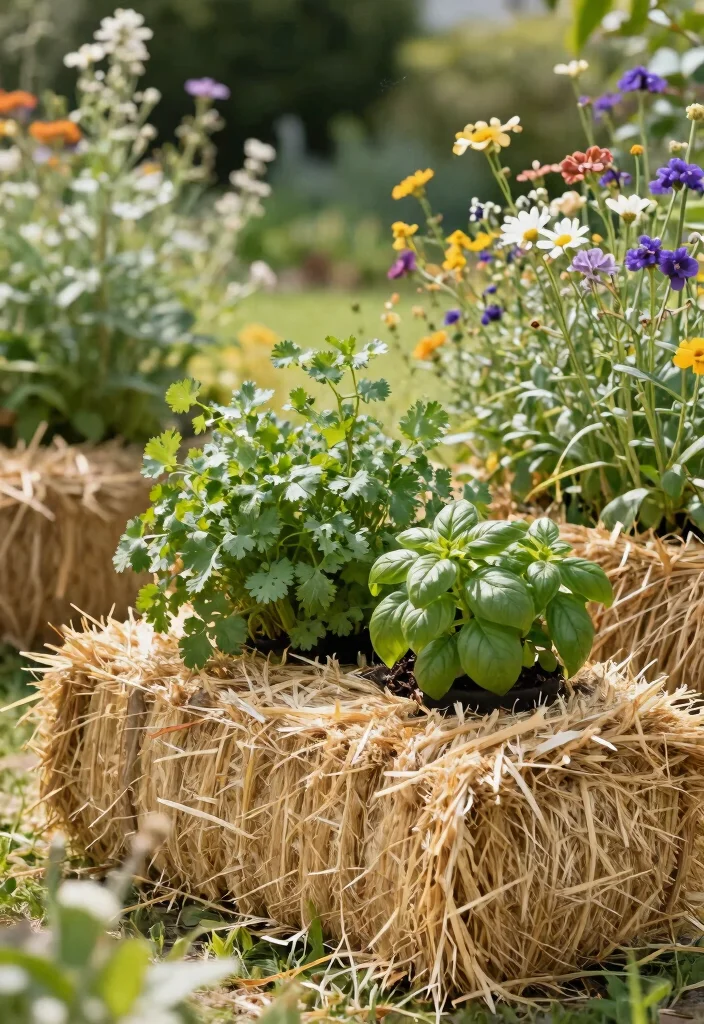
Want to embrace sustainable gardening? Consider using straw bales as planters for a unique herb garden. Straw bales offer excellent drainage and are an eco-friendly choice. Simply place a straw bale in a sunny spot, soak it to start the decomposition process, and plant your herbs directly into the bales.
Choosing the right location is essential for optimal growth, so ensure it gets plenty of sunlight. Mixing in some potting soil will encourage healthy herb growth, and regular watering keeps the bales moist during the growing season.
Things to note about straw bale gardening:
– Position Properly: Select a sunny area for growth.
– Soil Addition: Mix potting soil for nourishment.
– Regular Watering: Keep bales moist for best results.
This innovative technique promotes sustainability while allowing your herbs to thrive in a natural environment.
Frequently Asked Questions
What are the best rot-resistant materials for a herb planter box in small spaces?
Choosing rot-resistant materials is a smart start for a long-lasting herb planter box. For small-space setups, consider cedar, cypress, or teak because they resist decay naturally. Rot-resistant composites or powder-coated metal planters are great low-maintenance options too. Practical tips: seal cut edges with a penetrating exterior seal, line the interior with a breathable liner to reduce moisture wicking, and add a drainage layer or perforated bottom tray so roots never sit in wet soil. With the right materials and proper drainage, your herb planter box will stay sturdy season after season.
For extra drainage, pair these materials with simple drainage solutions for planters like a removable tray.
How can I design a vertical herb planter box that drains well and saves space?
A vertical herb planter box works best when you optimize both design and drainage. Choose a pocket-style or tiered shelf system with a shallow root zone, and place a tray or saucer at the bottom to catch runoff. Drill multiple drainage holes and line the box with landscape fabric to keep potting mix in place while letting excess water escape. Use a light, well-draining potting mix with perlite or pumice, and top-dress with fresh compost each season. Mount it on a wall or railing for small spaces, and you’ll get a compact, drain-friendly herb garden setup.
These design choices also provide effective drainage solutions for planters without sacrificing style.
Which herbs are easiest to grow in a container herb planter box?
Most herbs thrive in containers, especially basil, thyme, chives, oregano, parsley, and cilantro. Mint can be great in a separate container because it spreads quickly. Place your planter in a sunny spot that gets 6 to 8 hours of sun, water when the top inch of soil dries, and use a quality potting mix designed for containers. Regular harvesting encourages new growth and keeps the plants compact, making your herb planter box a year-round success.
Are there DIY planter box designs that are cheap and durable for small spaces?
Absolutely. DIY solutions like upcycled cedar pallets, repurposed gutters, or stacked planters made from wood inserts offer affordable durability. Always include drainage holes and a light drip tray. For vertical setups, consider fabric pockets or repurposed shoe organizers as affordable herb planter box designs. Using rot-resistant materials and a weatherproof finish will extend life, while keeping things lightweight and easy to move for cleaning and winter storage.
Quality drainage remains essential to prevent rot in DIY builds.
What maintenance steps keep a herb planter box draining well and resisting rot year after year?
Maintenance is key to longevity. Regularly clean out fallen leaves and spent stems, refresh soil every season or two, and check drainage holes monthly to prevent clogs. Seal wooden boxes with a weatherproof finish and avoid leaving standing water. Top-dress with fresh compost or potting mix as needed, and rotate herbs so you don’t exhaust a single area. Add a drip tray for rainy seasons, prune to improve airflow, and watch for signs of rot or swelling wood—address issues early for a healthy, long-lasting herb planter box.
Related Topics
herb planter box
drainage solutions
rot-resistant materials
vertical gardening
small space gardening
DIY planter designs
container gardening
easy gardening projects
beginner friendly
urban gardening
herb garden ideas
sustainable gardening