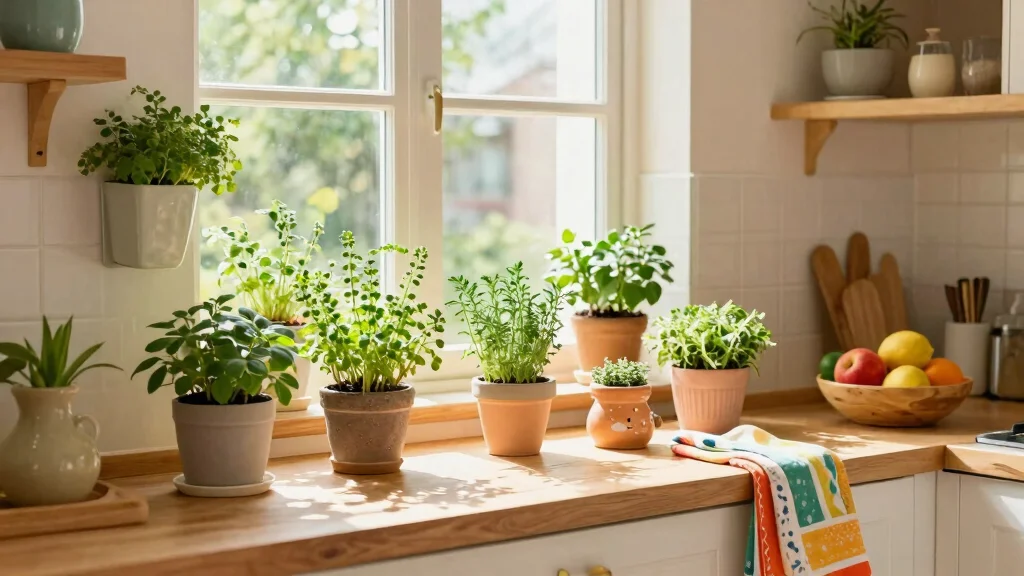
Creating a beautiful indoor herb garden can feel like a dream, especially when your kitchen counters are as compact as can be. This post is here to help you make that dream a reality. If you’ve ever found yourself longing for fresh herbs to enhance your cooking but felt stumped by limited space, you’re not alone. Whether you’re an apartment dweller or just dealing with a cozy kitchen, there are clever herb planter ideas for indoor gardening that can spruce up your space and your meals.
This guide is for anyone passionate about cooking or simply enjoying a touch of greenery in their home. If you love the idea of having fresh basil for your pasta, or vibrant mint for your cocktails, but think you don’t have enough space, this article is tailored for you. We’ve rounded up twelve creative herb planter suggestions that are not only compact but also stylish and functional. These ideas can turn your tiny kitchen counter into a mini herb haven, bringing convenience and charm to your cooking experience.
In this post, you’ll discover versatile planting solutions perfect for small spaces. You’ll find inspiration in wall-mounted racks, tiered stands, and even recycled cans that can easily fit into your kitchen decor. This collection of herb planter ideas will help you embrace indoor herb gardening, allowing you to grow your favorite herbs right where you need them. Get ready to transform your kitchen into a fragrant and vibrant space that enhances both your culinary creations and your home’s aesthetic.
1. Wall-Mounted Planter Racks
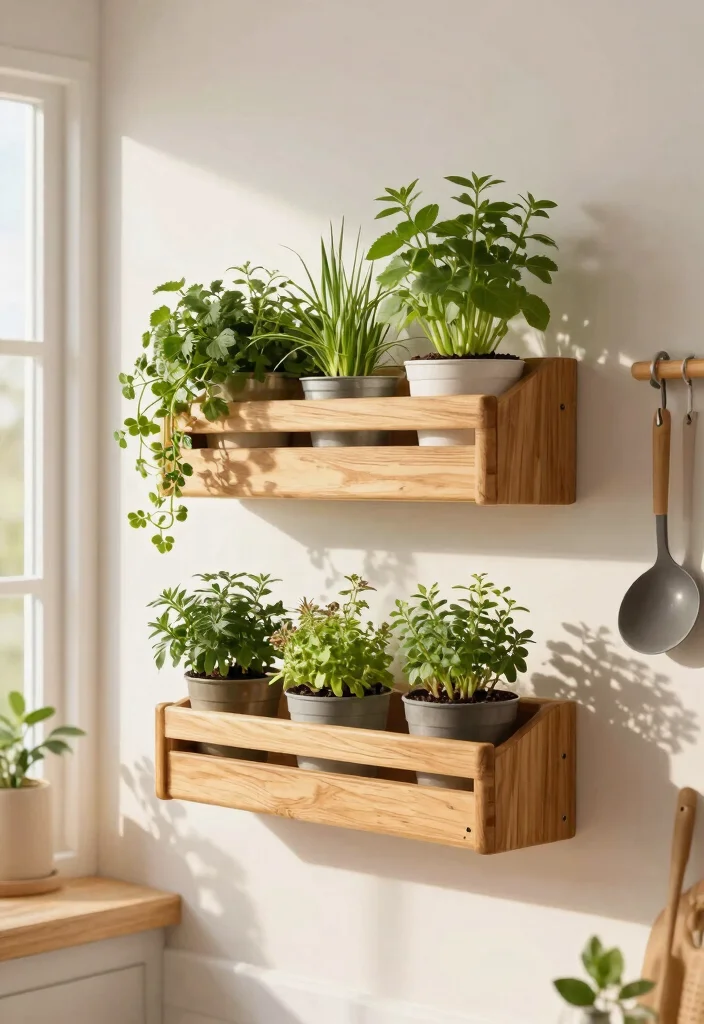
Are you looking to add greenery without sacrificing precious counter space? Wall-mounted planter racks offer a stylish solution to keep your herbs within easy reach. Imagine fresh rosemary and sage growing right on your wall, creating a vibrant display that enhances your kitchen vibe. Not only do these racks save space, but they also turn your herbs into a captivating piece of decor!
Make sure your wall gets enough sunlight for optimal growth. Consider varying the heights of your pots for a more dynamic look. Don’t forget to choose pots with drainage holes to keep your herbs happy and healthy.
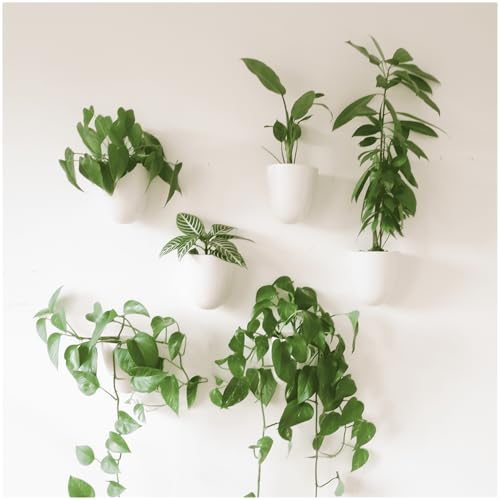
Self-watering system means you can often go weeks without watering plants

Space-Saving Greenwall Design: Maximize your space and create a stunning green wall with this self-watering wall planter. Perfect for freeing up floor and wall space, this planter keeps your plants within easy reach and adds a vibrant touch to your home or office. Perfect for creating a vertical green wall at home or the office.
2. Tiered Plant Stands
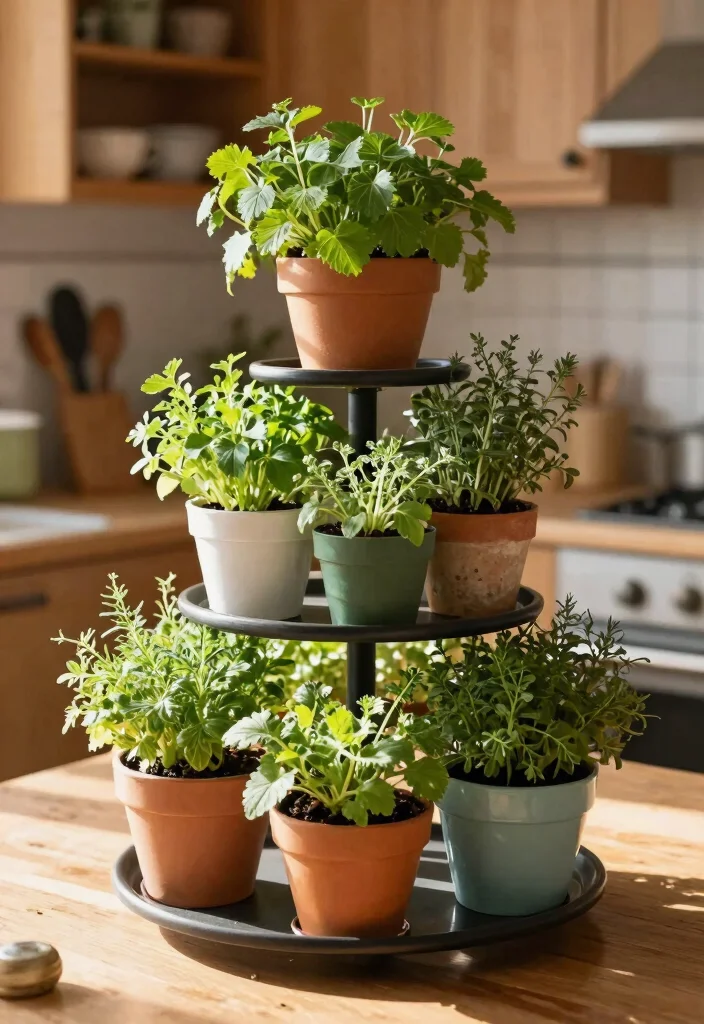
Do you want to create a mini herb garden that takes up minimal space? Tiered plant stands allow you to showcase multiple herbs in a compact, vertical arrangement. Picture vibrant tiers filled with cilantro, chives, and oregano, all thriving in your kitchen! These stands not only save counter space but also add a lovely touch of greenery to your home.
Stands enhance air circulation for your plants, ensuring they grow well. You can easily reposition them for optimal sunlight exposure. Look for removable pots that make watering and replanting a breeze.

3 Sizes of Plant Stands: Height of each tier 23.25"/16"/8.75"inches, Length and width of 27.25 "x10" inches,Each tier can hold 4-6 medium sized potted plants, Ideal for bookshelf, display shelf, shelves, decorative shelf, etc

【3 Tier Raised Garden Bed】The vertical garden planter adopts 3 tier design, so there is enough space to plant and divide vegetables, herbs, flowers, etc. Save a lot of space for you and keep your garden well organized.
3. Hanging Herb Planters
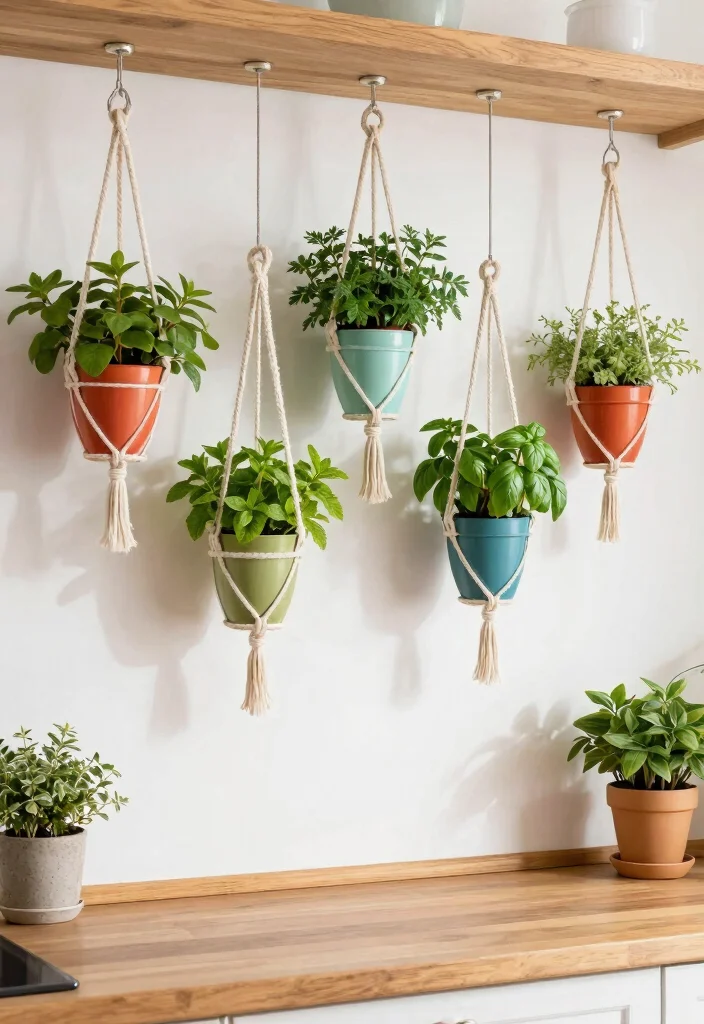
Are you short on counter space but still crave a touch of nature? Hanging herb planters are a fantastic solution for small kitchens. Whether you choose macramé hangers or sleek metal chains, these planters utilize vertical space beautifully. Imagine fresh mint or basil swaying gently above your counter, ready for your culinary adventures!
Choose lightweight pots to avoid stressing your hooks. Make sure they’re hung high enough to avoid any obstructions. Water carefully to prevent drips that could create a mess below.
Fun fact: In tiny kitchens, hanging herb planters free up 50% of counter space and keep fresh herbs within reach. With 3 simple steps—use lightweight pots, secure sturdy hooks, and water slowly to prevent drips—you’ve got instant herb planter ideas indoor that actually work.

【Indoor Herb Garden】Experience the joy of gardening with our specialized indoor herb planter. This set includes a planter with a tray but does not come with plants and seeds. Designed specifically for herb cultivation, these planters can be used both indoors and outdoors. Crafted from durable metal with a sleek, glossy white finish, they blend functionality with a farmhouse style to enhance your living space.
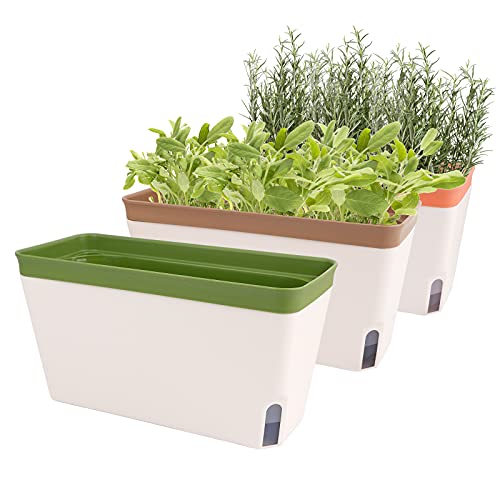
SELF-WATERING PRINCIPLE: Through two absorbent cotton ropes, the self watering pots provide water to the soil and keep the soil moist through the principle of osmosis, without having to water the plants regularly. Even if you leave home for a few days, it can help you take care of the plants and avoid plants die from water shortage.

Grow Fresh Herbs Anytime, Anywhere: Enjoy the convenience of fresh basil, rosemary, parsley, and more right on your kitchen counter or windowsill. Our compact indoor herb garden kit keeps flavor and greenery within reach—even in small apartments
Key Trade-offs & Our Top Pick
Option 1: Wall-Mounted Planter Racks
– Pros:
– Saves floor space by using vertical space.
– Provides excellent air circulation and sunlight exposure.
– Cons:
– Requires wall drilling which may not suit all renters.
– Limited to herbs that can grow in smaller pots.
– Best for: Those with limited counter space but willing to utilize walls for herb gardening.
Option 2: Tiered Plant Stands
– Pros:
– Maximizes vertical space with multiple levels for plants.
– Easy to access and rearrange herbs as needed.
– Cons:
– Can take up more floor space than wall-mounted options.
– Stability may be an issue with heavy pots.
– Best for: Gardeners who want a stylish display and have a bit more room to spare.
Option 3: Hanging Herb Planters
– Pros:
– Creates an attractive feature in your kitchen by hanging herbs.
– Frees up counter space completely.
– Cons:
– Requires sturdy hooks and may not suit all ceilings.
– Watering can be tricky and may lead to spills.
– Best for: Those who love a creative, eye-catching herb display without taking up surface space.
Option 4: Self-Watering Herb Containers
– Pros:
– Reduces maintenance by providing consistent moisture.
– Helps prevent over or under watering, making it beginner-friendly.
– Cons:
– Can be more expensive than standard pots.
– Requires more careful placement to avoid leaks.
– Best for: Busy individuals or beginners who want an easy, low-maintenance herb garden.
Expert Recommendation:
Best Overall: Tiered Plant Stands
Tiered plant stands combine style and function, making them the best overall choice for most indoor herb gardeners. They maximize vertical space while allowing easy access to your herbs. Plus, they can accommodate various container sizes, making them versatile. Their durability means they can last through different seasons, ensuring a long-term solution for your herb gardening needs.
Why We Picked This:
While tiered stands are our top pick, those who prefer a more minimalist approach might lean towards wall-mounted racks. On the other hand, if aesthetics matter most, hanging planters offer a charming display. For those who often forget to water, self-watering containers can be a game-changer. Each option has something unique to offer, so choose one that fits your kitchen and lifestyle best!

4 Tiered Hanging Herb Garden Set: the package includes 1 piece of 4 tiered hanging vertical planter shelf, suitable for decorating kitchens, living rooms, offices, balconies and other places, and 16 pieces of plants pots, ideal for growing herbs, cacti, and so on; Please note that we provide you with non marking nails and hooks for easy hanging

Spacious 5-Tier Growing Area: Designed with 5 separate planting boxes, this garden planter provides generous room for growing fruits, succulents, vegetables, or colorful flowers while keeping your gardening area neatly organized in one place.
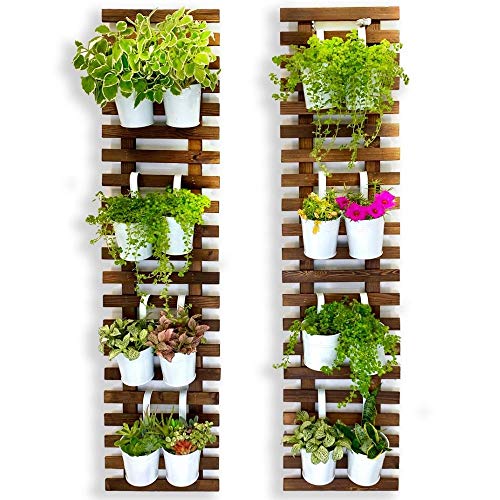
29x120cm (11.4" x 47.2") x 2 pcs. Plants, flowers, pots, decorations are NOT included
4. Narrow Window Boxes
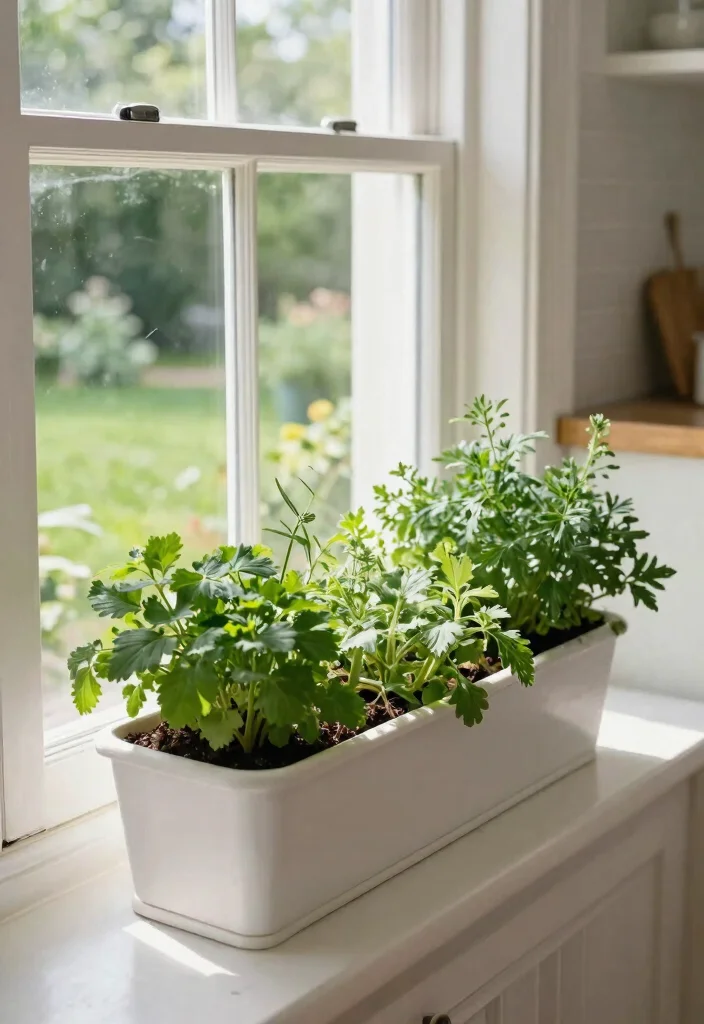
Do you have a windowsill begging for some greenery? Narrow window boxes are a charming way to grow herbs right where they can soak up the sun. Visualize rows of parsley, dill, and chives bringing fragrance and flavor directly to your kitchen space. Opt for lightweight materials like plastic or fiberglass to protect your windowsill from damage.
Ensure your window box has proper drainage to keep roots from getting soggy. Don’t forget to rotate the box regularly to guarantee even sunlight for your herbs.

HERB GROWING KIT: This all-inclusive kit comes with 5 planter bags, 5 plant markers, 5 soil disks, 1 mini shears, and 1 planting guide. Designed for simplicity, it's perfect for beginners looking to start their own indoor garden.

HERB PLANTER INDOOR - Create your own indoor herb garden for your windowsill or counter. These spacious square herb planters are the perfect size for your herbs and spices.

🌷【Combination Size of 5"/4"/3.5"】The set includes a total of 12 packs clear nursery pots,with 5 inch,4 inch and 3.5 inch,4 pieces of each size to meet your various needs.We additionally provide 15pcs plant labels for easy identification of your seeds.
5. Magnetic Spice Herb Jars
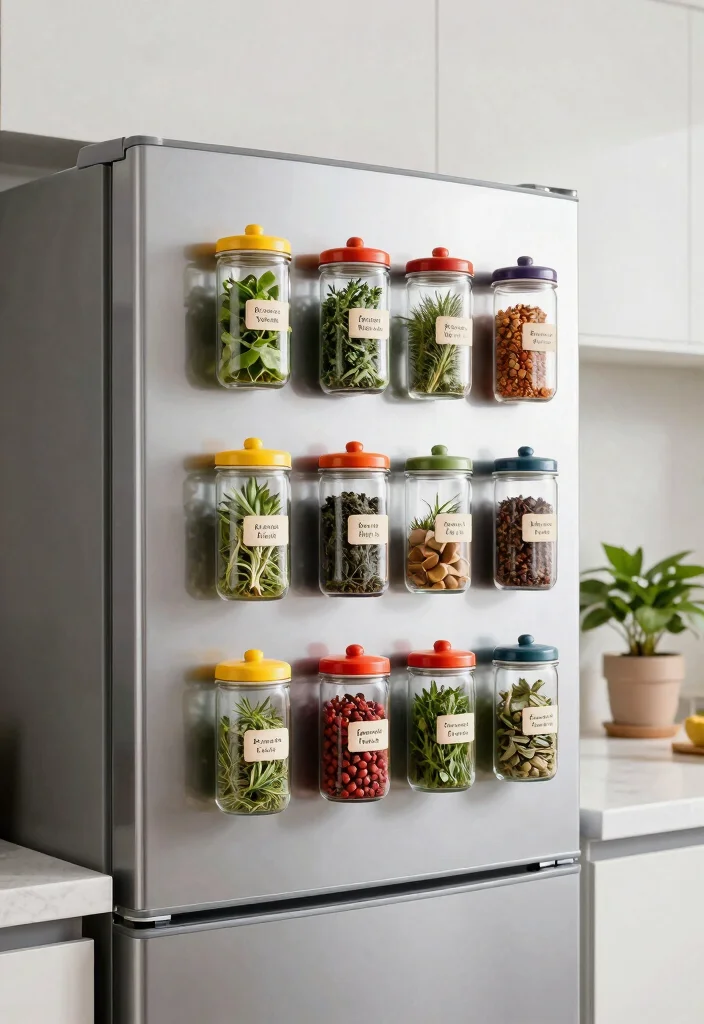
Want to blend style with functionality in your kitchen? Magnetic spice herb jars can turn your refrigerator into an attractive herb display! Fill these jars with dried herbs or small cuttings for easy access while cooking. They’re perfect for saving counter space and add a unique aesthetic to your kitchen.
Label each jar clearly for quick identification. Keep your refrigerator in a well-lit area to help maintain the freshness of the herbs.

Size: 7.5 (L) * 5.3 (W) * 6.3 (H ) Inches.

{Premium Material}: Our garden wall planters bags choosing high-quality felt materials with good air permeability can better store and release water to promote healthy plant growth. It is lightweight, sturdy, convenient, foldable, durable and anti-aging.

Durable Construction: Made from rugged, water-saving and drought-resistant materials that are resistant to deformation.
6. Recycled Cans as Herb Planters
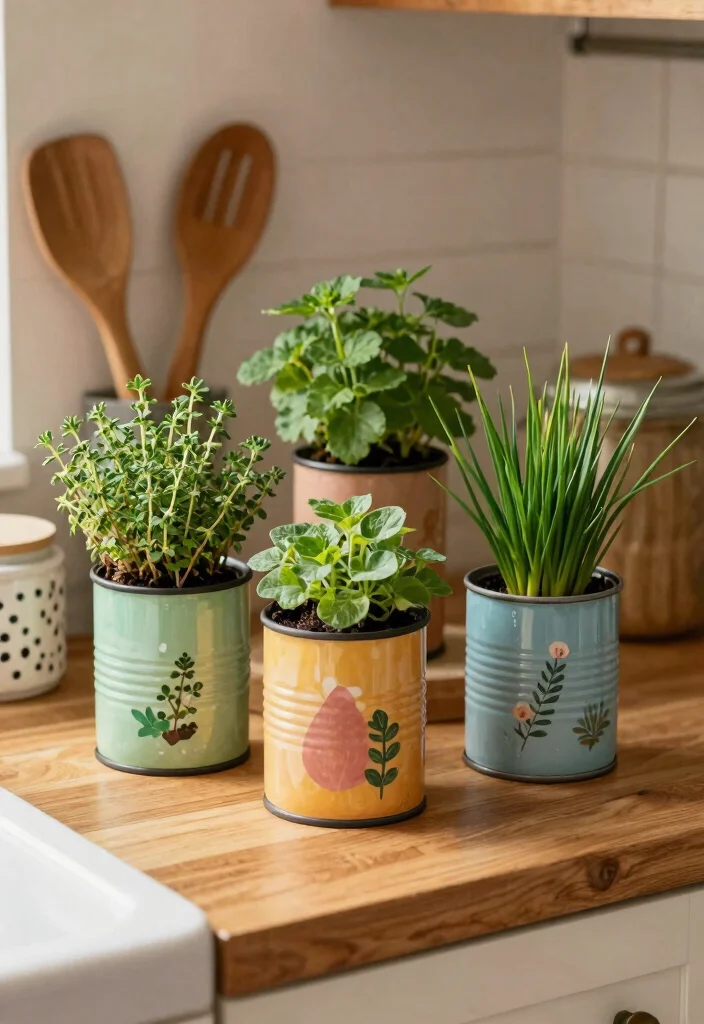
Looking for a creative and eco-friendly way to grow herbs? Recycled cans can be transformed into quirky herb planters that are budget-friendly! Clean out an old can, add a splash of paint, and you have a rustic container for your thyme or chives. Mixing different-sized cans can also create an eye-catching display in your kitchen.
Make sure to drill small holes for drainage so your herbs don’t drown. Bright colors can add a playful touch to your herb garden. Group several cans together for a standout centerpiece.
Ever cleaned out cans and wished they were herb planters? Recycled cans make a budget-friendly, quirky herb planter setup—just wash, paint, and drill drainage. Group different sizes for a bright, practical display that keeps thyme and chives thriving on tiny counters.

【Perfect Design】: The 3-tier planter box design will not take up too much floor space, which can separate and organize the sections as well as grow different kinds of plants. In addition, the trapezoidal design allows all plants to enjoy full sunlight for better growth. The box bottom of each tier is equipped with drainage holes to help drain excess water and prevent root rot.
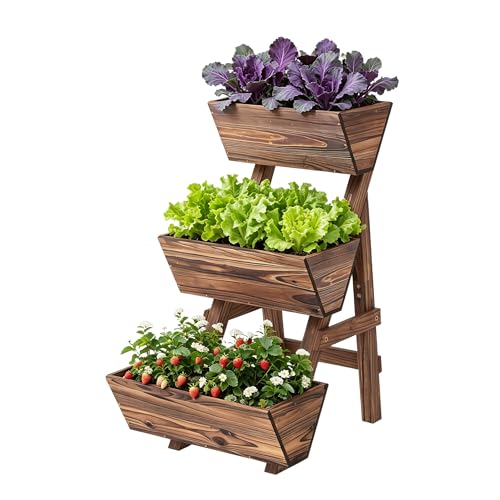
【Space-Saving 3-Tier Design】: The 3-tier planter box design will not take up too much floor space, which can separate and organize the sections as well as grow different kinds of plants. The trapezoidal design allows all plants to enjoy full sunlight for better growth. The box bottom of each tier is equipped with drainage holes to help drain excess water and prevent root rot

WATERPROOF ANTI CORROSION The 3 tier plant stand is made of high quality iron, the matte powder coated tubular will not rust or Waterproof, easy to clean and can be used indoors or outdoors
7. Pint-Sized Glass Jars
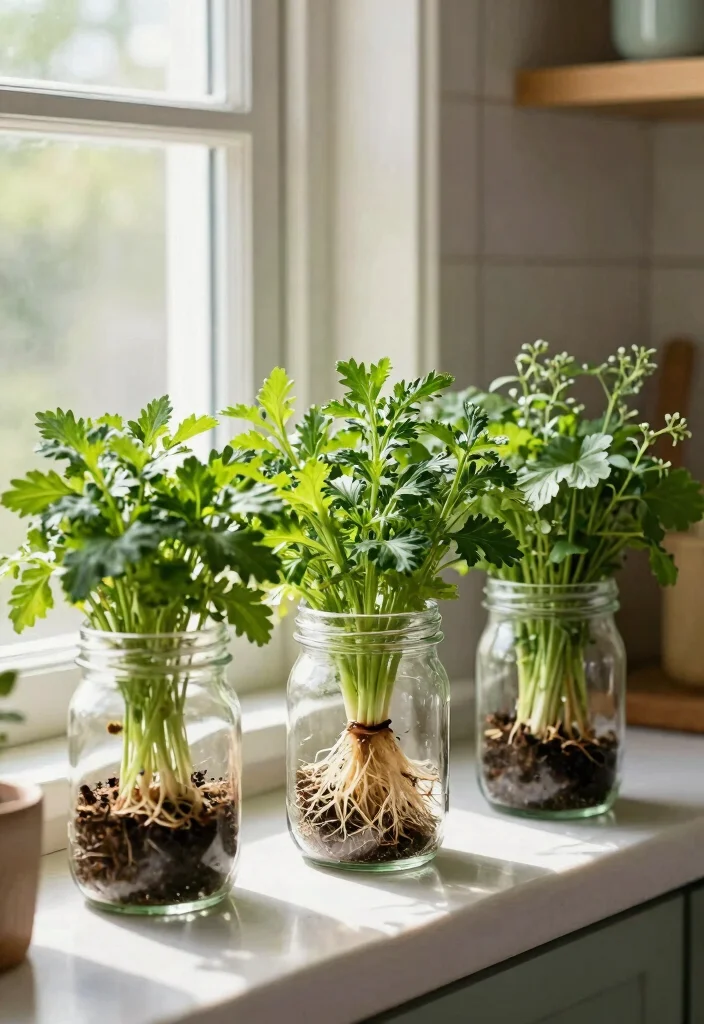
Want to add a touch of charm to your indoor herb garden? Pint-sized glass jars are perfect for showcasing fresh herbs. These jars can even serve as hydroponic systems for plants like basil. Picture them lined up on your windowsill or counter, creating a clean and quirky look that sparks joy while you cook.
Ensure the jars are thoroughly cleaned before planting. Adding pebbles at the bottom can improve drainage and keep roots healthy.

High planting efficiency: Start an indoor herb garden with the Ahopegarden hydroponic growing system, which includes a water reservoir, an overhead LED grow light, and a circulation system that keeps the water fresh. The hydroponic setup and lighting systems allow plants to grow up to faster and healthier in controlled conditions. Simply add plant seeds, water, and nutrients to the reservoir and watch the plants grow

Grow Fresh Herbs Anytime, Anywhere: Enjoy the convenience of fresh basil, rosemary, parsley, and more right on your kitchen counter or windowsill. Our compact indoor herb garden kit keeps flavor and greenery within reach—even in small apartments

Indoor Herb Garden Planter with Tray - Add greenery to your home with this vintage metal windowsill planter. Herb planters for indoor plants with a farmhouse touch. Place the indoor herb planter on your kitchen counter or display the small herb planter as an apartment window planter.
8. Multi-Purpose Herb Pots
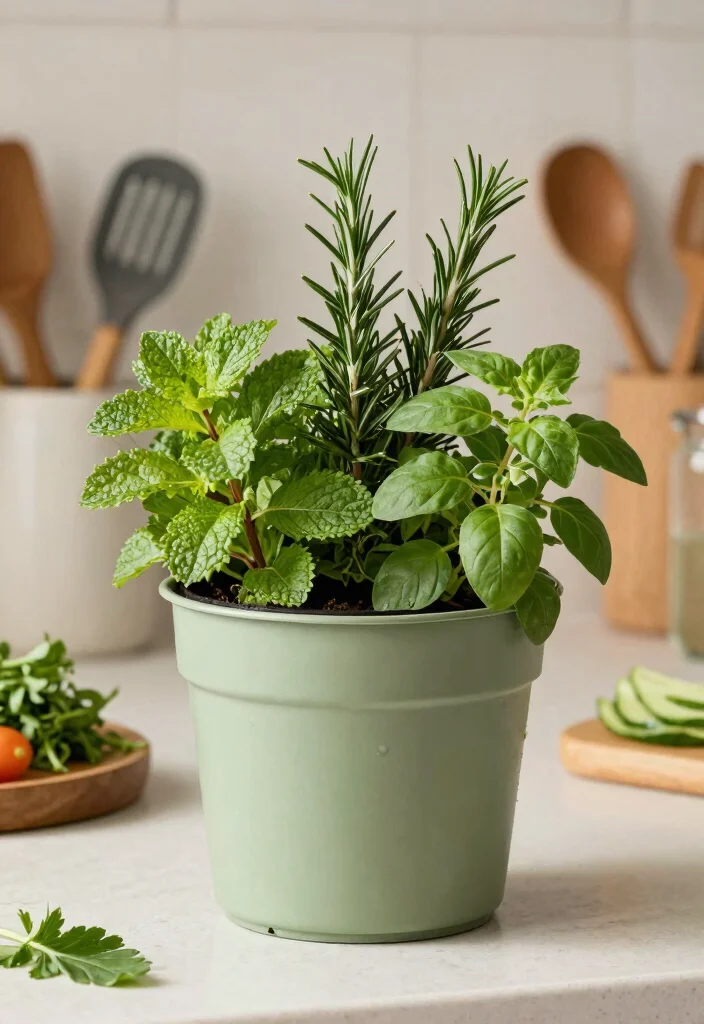
Searching for a space-saving solution for your herb collection? Multi-purpose herb pots are designed to hold several herbs in one container, maximizing your kitchen’s potential. Look for pots with removable dividers so you can grow mint, oregano, and rosemary all together while keeping them organized.
These pots require less frequent watering since the herbs are grouped together. Plus, the colorful arrangements add aesthetic appeal while providing easy access to your favorite flavors while cooking.
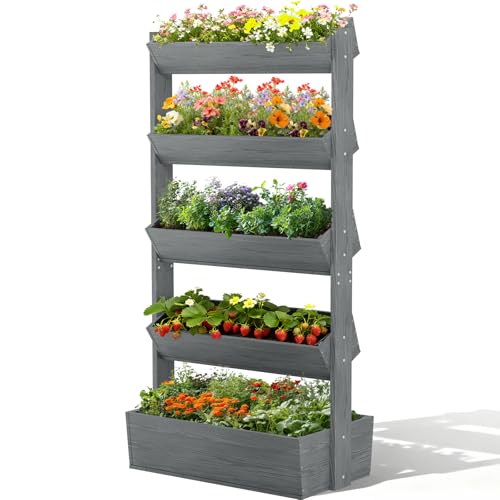
DIVIDED PLANTING SPACE: With 5 separate planter boxes, the wood elevated planter offers the freedom to cultivate a variety of plant species without obstructing the others, such as fruits, herbs, vegetables, fruits

【Sturdy and Stable】The 4 tier vertical garden bed is made of solid metal frame. The triangular frame structure ensures that the vertical planters are stable in wind and rain. You can plant different plants in the terrace, yard, garden, balcony, and living room.

3 Tiered Hanging Herb Garden Set: the package includes 1 piece of 3 tiered hanging vertical planter shelf, suitable for decorating kitchens, living rooms, offices, balconies and other places, and 12 pieces of plants pots, ideal for growing herbs, cacti, and so on; Please note that we provide you with non marking nails and hooks for easy hanging
9. Self-Watering Herb Containers
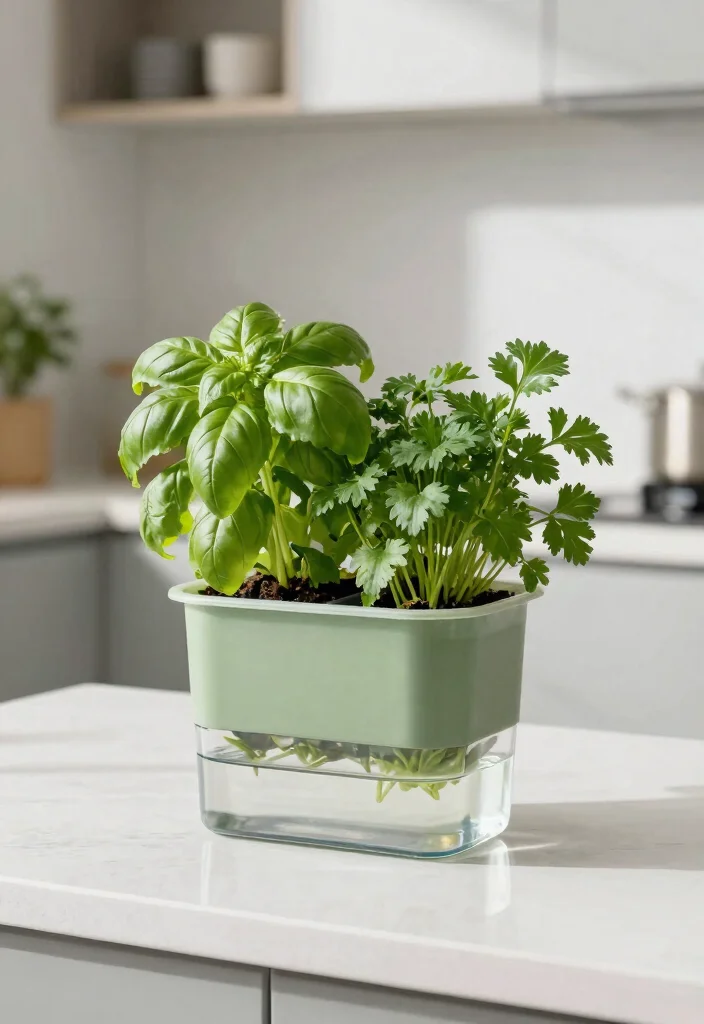
Do you sometimes forget to water your plants? Self-watering herb containers are ideal for busy lifestyles. They maintain consistent moisture levels, preventing your herbs from drying out or becoming waterlogged. Available in various sizes, these pots fit snugly on even the tiniest counters, making them perfect for herbs like basil and parsley.
They come with built-in reservoirs for easy maintenance. Enjoy the convenience of growing fresh herbs without the hassle!

All-in-One Package: Our kit includes 5 of the widely loved organic, non-GMO herb seeds—basil, parsley, rosemary, thyme, and mint. The set also comes with 5 burlap bags, 5 coconut soil discs, 5 plant markers, 3 gardening tools, 1 pruning scissors, 1 spray bottle, and an wooden box

Drain Holes Design -- Window planter box design with many small drain holes,prevent excessive watering, maintain soil drainage and ventilation.

HERB PLANTS & SEEDS - Start an indoor herb garden from seed with basil, chives, dill, cilantro and parsley, each in its own burlap pot.
10. Creative Use of Drawer Space
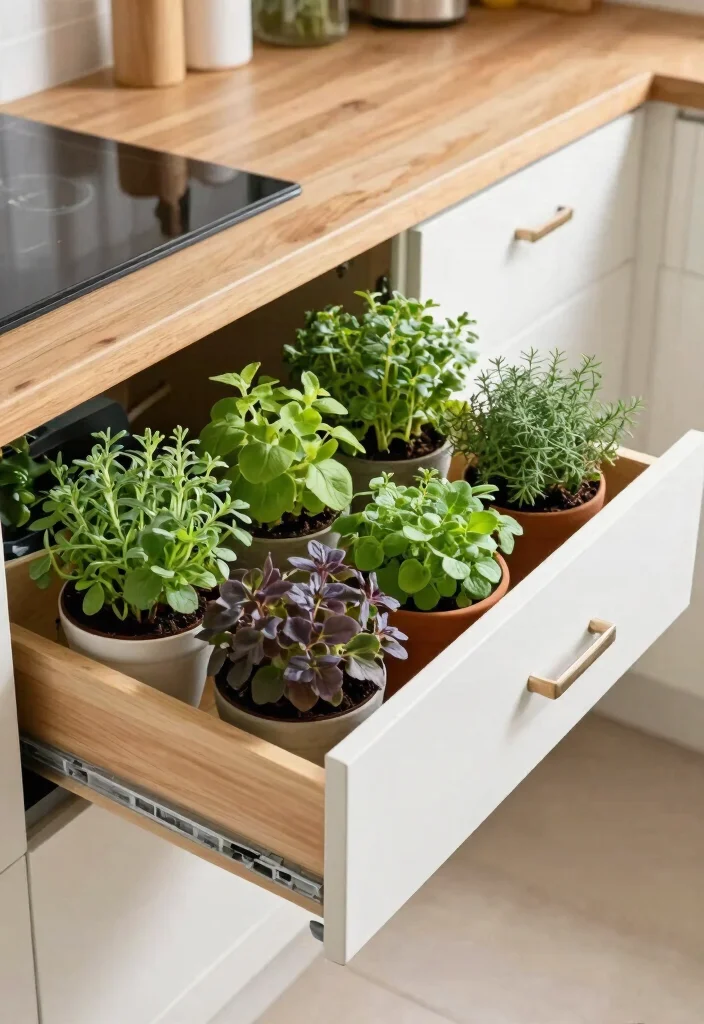
Is your counter space getting cramped? Transforming a shallow drawer into an herb garden can be a brilliant solution. Line it with pots or plant directly into the drawer, keeping your herbs hidden yet accessible. Just remember to drill holes for drainage and position the drawer in a well-lit spot.
Using lightweight pots will help reduce the overall weight. Consider placing a tray inside to catch excess water and protect your drawer from moisture.
11. Stackable Herb Containers
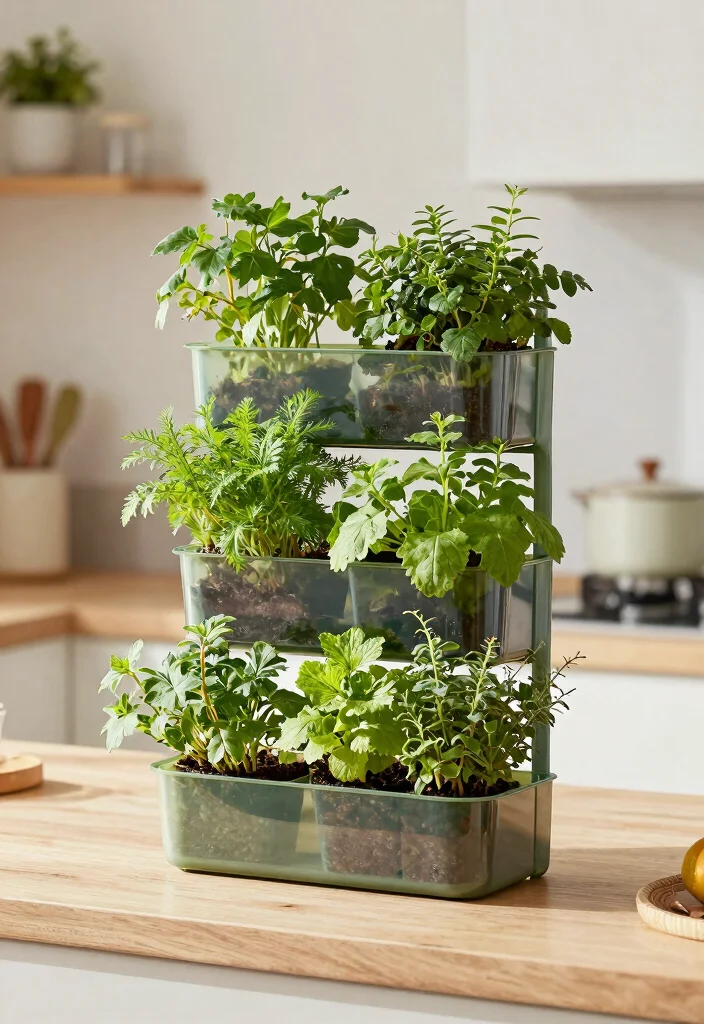
Are you craving a stylish way to maximize your small kitchen space? Stackable herb containers allow you to grow herbs vertically, creating an attractive display while saving counter space. You can cultivate multiple herb varieties in one compact setup, making maintenance a breeze.
These containers offer easy access to your herbs while cooking. Plus, their versatile designs complement any kitchen decor beautifully.
Did you know vertical herb systems can multiply varieties—3 to 5 herbs—in a single footprint? Stackable containers keep your counter tidy and accessible, making herb planter ideas indoor practical and stylish.
12. Herb Ladder Planters
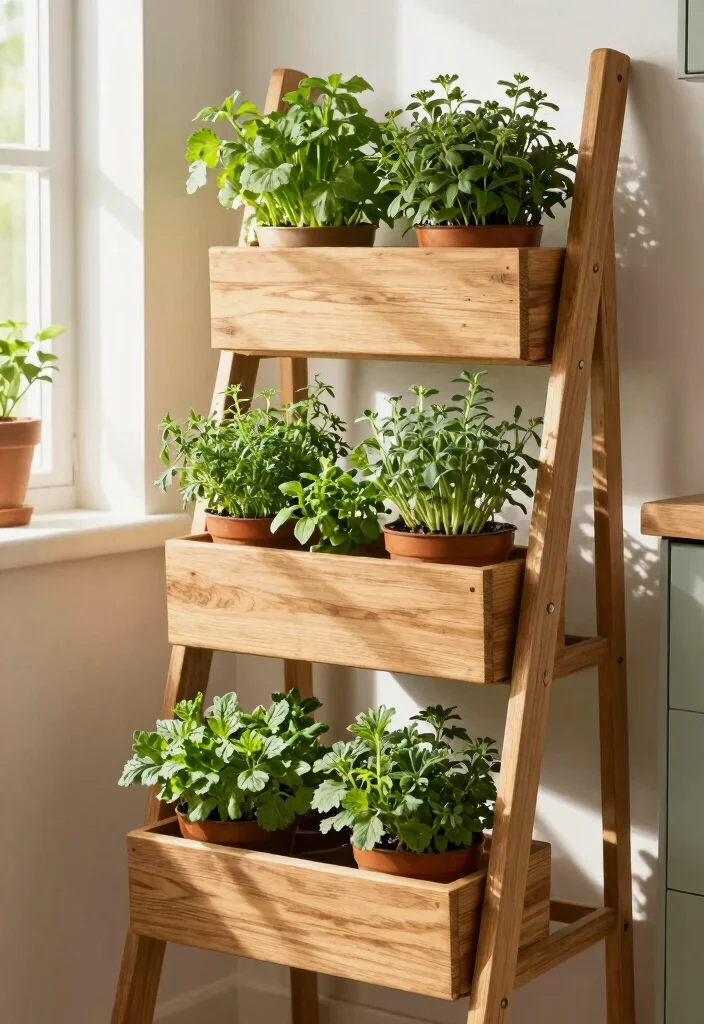
Are you looking for a decorative yet functional solution for your herb garden? Herb ladder planters provide a space-saving option that fits neatly in any corner of your kitchen. With shelves designed to hold multiple pots, you can grow various herbs without using too much valuable space.
Imagine having fresh herbs ready at your fingertips whenever you cook! These planters not only look great but also promote healthy growth by allowing air to circulate between the plants.
Frequently Asked Questions
What are the best herb planter ideas indoor for tiny kitchen counters?
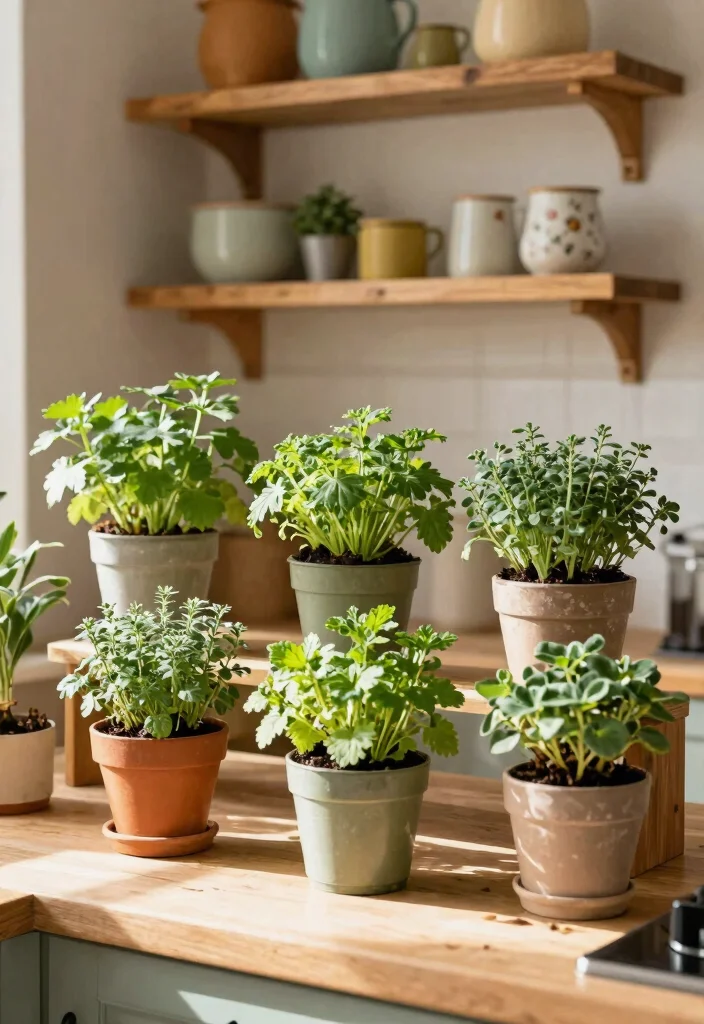
For tiny kitchen counters, start with vertical or compact setups. Look for kitchen herb planters that stack, hang, or lean against a wall.
Ideas include a wall-mounted rail with individual pots, a tiered metal stand, or a compact wall planter that saves counter space. Choose compact herb containers 6–8 inches in diameter to fit several herbs without crowding. Use bright, sunny windows or add a small grow light to support indoor herb gardening on dim days. Use a well-draining potting mix and ensure drainage holes in every pot. Regularly prune herbs to keep them productive and prevent legginess.
How can I build a vertical herb garden in a small space without sacrificing counter space?
To create a vertical herb garden in a small space, mount planters on a wall, place a ladder-style shelf, or repurpose a hanging pocket organizer into a vertical herb garden ideas setup.
Group herbs with similar water needs, label them, and keep lightweight pots so you can rearrange as your space changes.
Ensure you have adequate light—place near a south-facing window or add a compact indoor grow light. Water consistently but avoid soggy roots; a drip tray helps catch excess moisture.
Which herbs are easiest to grow indoors in compact containers?
Herbs that thrive indoors in compact herb containers include basil, chives, thyme, oregano, and parsley. Mint can be grown in its own pot to control spreading. Cilantro and dill need brighter light and can bolt quickly, so harvest frequently. Choose dwarf or compact varieties whenever possible and prune regularly to keep growth bushy and productive.
What features should I look for in kitchen herb planters to maximize a small-space setup?
When choosing kitchen herb planters for small spaces, look for drainage holes, a depth of about 6–8 inches, and lightweight materials. Consider self-watering options, modular or stackable designs, and a built-in tray to catch excess moisture.
Pick materials you like—ceramic, durable plastic, or powder-coated metal—and ensure the planters are easy to move for cleaning and re-potting.
How often should I water and feed indoor herbs in compact containers?
Water when the top inch of soil is dry; most indoor herb gardening herbs prefer consistent moisture but dislike soggy soil.
Set a regular check-in schedule: water every 2–4 days depending on light, temperature, and container size. Feed monthly with a balanced, diluted fertilizer and prune weekly to keep plants bushy. Rotate pots occasionally to ensure even light exposure.
Related Topics
indoor gardening
small space gardening
compact herb containers
vertical herb garden
kitchen herb planters
beginner friendly
easy gardening
herb planter ideas
minimalist design
urban gardening
DIY herb garden
space-saving solutions