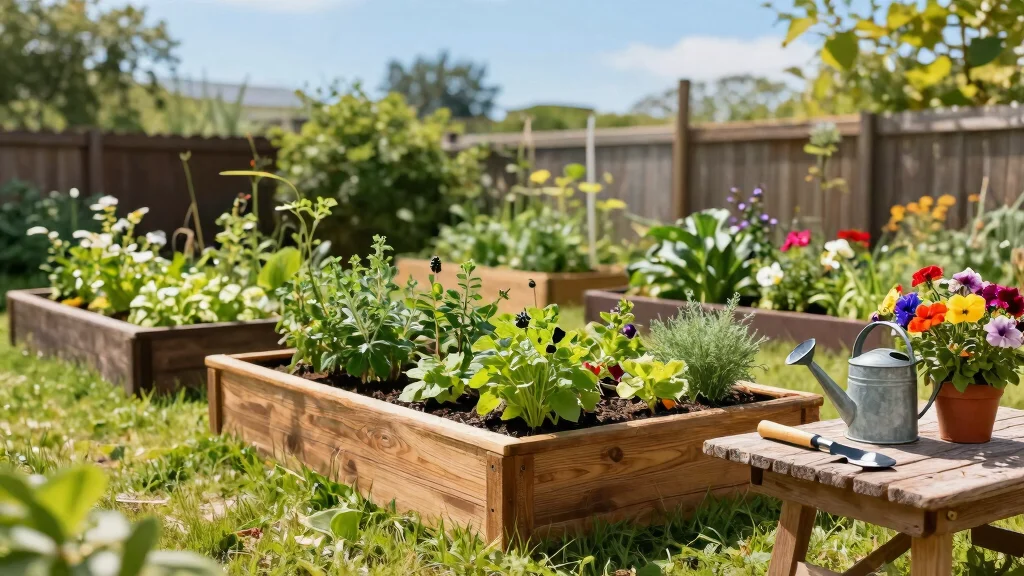
Creating a garden can feel overwhelming, especially if you’re short on time or space. I made this post to help you enjoy the joys of gardening without the stress. With the right approach, you can build gorgeous raised garden beds that don’t take all day to assemble. In fact, I’m sharing 12 easy raised garden beds that you can construct in under an hour! These projects are not only simple but also beginner-friendly, making them perfect for anyone eager to grow their own plants.
If you’re someone who loves fresh vegetables, vibrant flowers, or just getting your hands dirty, this guide is for you. Whether you live in a small apartment or have a sprawling backyard, these ideas are designed with you in mind. You don’t need to be a seasoned gardener or a DIY expert to dive in. With just a few materials and some enthusiasm, you can create beautiful raised beds that elevate your gardening game.
In this post, you’ll discover quick garden bed ideas that are affordable and efficient. From tiered pallet beds to vertical gardens, each project can be completed swiftly and will add charm to your outdoor space. You’ll find tips on materials, techniques, and even some fun styles that will inspire you to transform your space in no time. So, roll up your sleeves and get ready to connect with nature while enjoying the satisfaction of building your own garden beds!
1. Tiered Pallet Garden Bed
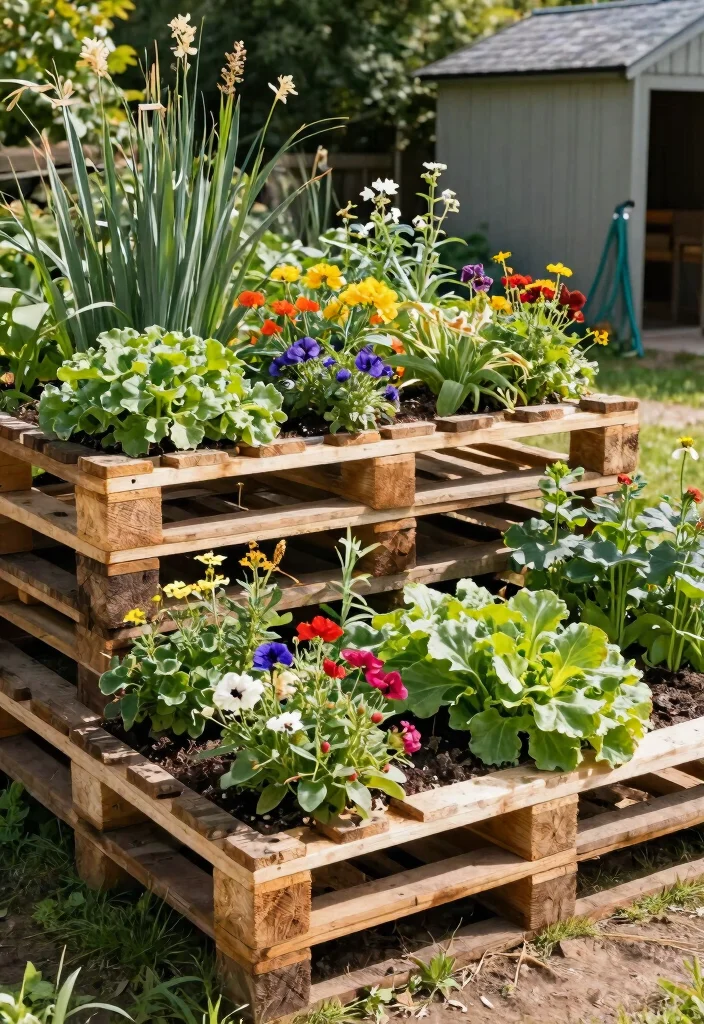
Looking for a creative way to use old wooden pallets? A tiered garden bed is a fantastic solution that adds both style and function to your garden. By simply stacking pallets, you can create a visually appealing structure that showcases a variety of plants at different heights.
To enhance its beauty, consider filling each tier with diverse plants. For instance, place vibrant cascading flowers at the top, leafy greens in the middle, and robust vegetables like tomatoes below. This setup not only maximizes your planting area but also creates a stunning visual effect.
Tip: Add landscape fabric between pallets and soil to keep weeds at bay.
Quick Steps:
– Find safe wooden pallets for planting.
– Stack the pallets securely, fastening if necessary.
– Fill with potting mix and start planting!
A tiered pallet garden can transform a dull corner into a vibrant green oasis.
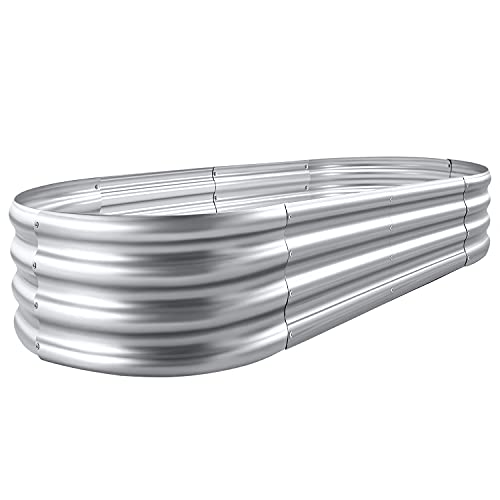
Each raised metal garden bed size: 4×2×1ft ,7.14Cu

Raised Garden Bed - Add a new level of convenience to your gardening experience with the Galvanized Raised Garden Bed. Enjoy expanded yield and a more assembled garden layout with this garden accessory, each sized at 120 cm X 60 cm x 30 cm.

More suitable raised garden bed size and Volume:67"L x 20"W x10"H, 7 Cu. Ft. You can cultivate plants, like vegetables, flowers, herbs in your patio, yard, garden, and greenhouse.
2. Vertical Tower Garden
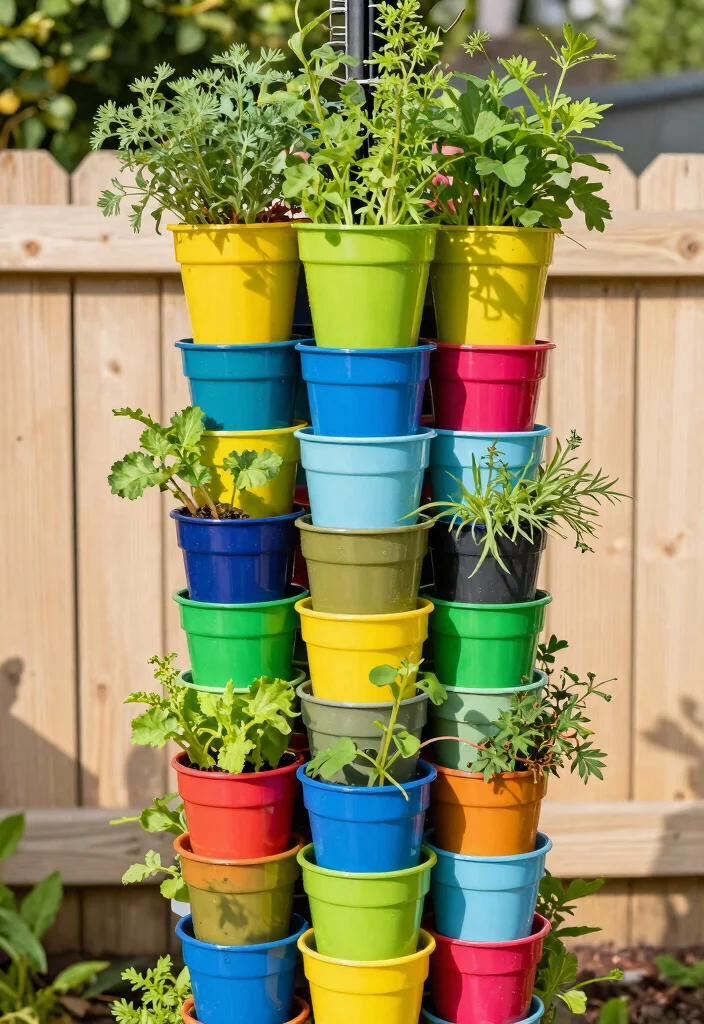
Short on ground space? A vertical tower garden is your go-to solution! By stacking plastic pots, you can utilize vertical space effectively, bringing life to even the smallest areas.
Start by cutting out holes in the sides of each pot for plants to grow through. Securely stack the pots and fill them with potting soil, perfect for herbs or small vegetables. This method not only saves valuable ground space but also simplifies maintenance while adding an eye-catching feature to your yard.
Tip: Ensure proper drainage by drilling holes in the pots to prevent waterlogging.
Quick Steps:
– Collect plastic pots in different sizes.
– Stack them securely for stability.
– Fill with soil and plant seeds or seedlings.
Your vertical garden can become a lively addition to patios and balconies, allowing you to grow herbs in style!

Space-Saving : This strawberry planter maximizes your gardening space by stacking 5 layers to grow more plants in a compact area. The strawberry tower planter is ideal for patios, balconies, or indoor use

High-quality Product: Thick, high-quality PP materials can be used repeatedly without fading, not easy to crack even in summer; Suitable for garden or indoor use

Space-Saving Vertical Gardening: Maximize your growing potential with staggered tiered planting! By smartly utilizing vertical space through height-varied layers, this planter lets you grow more plants while saving precious floor space—good for compact balconies, cozy patios, or tight indoor corners.
3. Wire Basket Planter
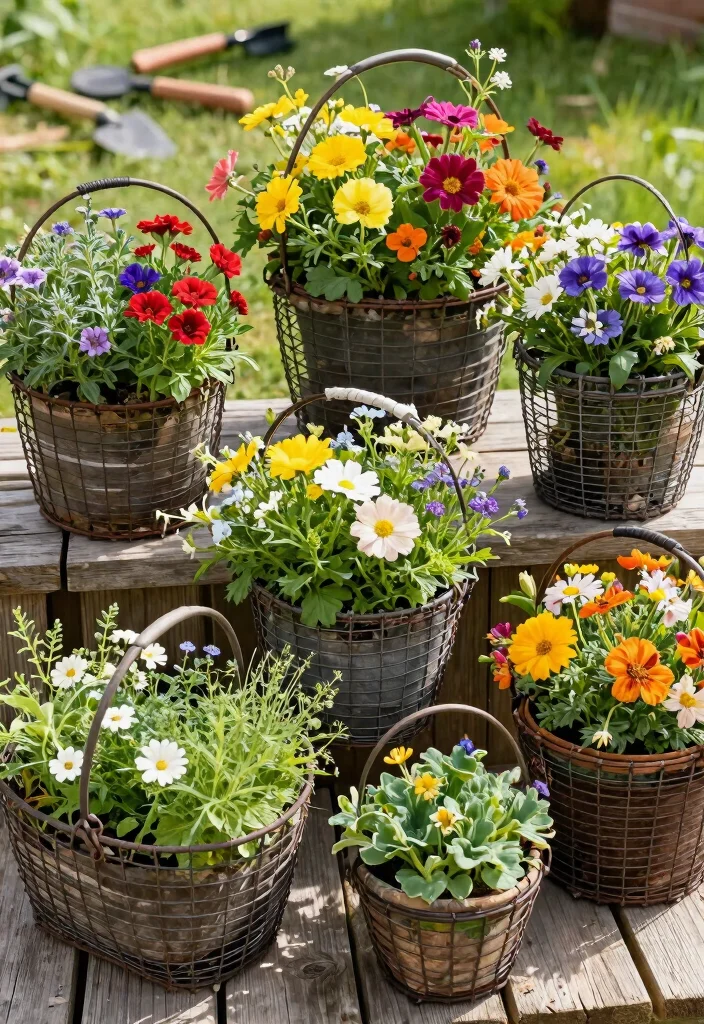
Ever thought about turning wire baskets into raised garden beds? This unique idea combines rustic charm with practicality. You can easily find these baskets at craft stores or thrift shops, and they make lovely planters once filled with soil.
Line the inside of each basket with landscape fabric to keep your soil intact. This option is perfect for small flowers or herbs, and you can hang them or use stands to create a chic display in your garden.
Tip: Choose a mix of basket sizes and shapes for an eclectic look.
Quick Steps:
– Search for wire baskets in various sizes.
– Line them with landscape fabric.
– Fill with soil and plant your favorites.
These wire basket planters will add a stylish twist to your gardening, perfect for limited spaces.

The GreenStalk system is proud to be designed and manufactured completely in East TN. Made with high quality, BPA-free, UV-resistant plastic with a 5 year warranty

The GreenStalk Vertical Planter is proud to be designed and manufactured completely in the USA. Made with high quality, BPA-free, UV-resistant plastic with a 5 year warranty.

MADE IN THE USA – SUPPORTS 3 SMALL BUSINESSES Proudly manufactured in the United States. Every Smart Spring planter purchased directly supports three small U.S. businesses, helping keep jobs and production local.
4. Cinder Block Garden
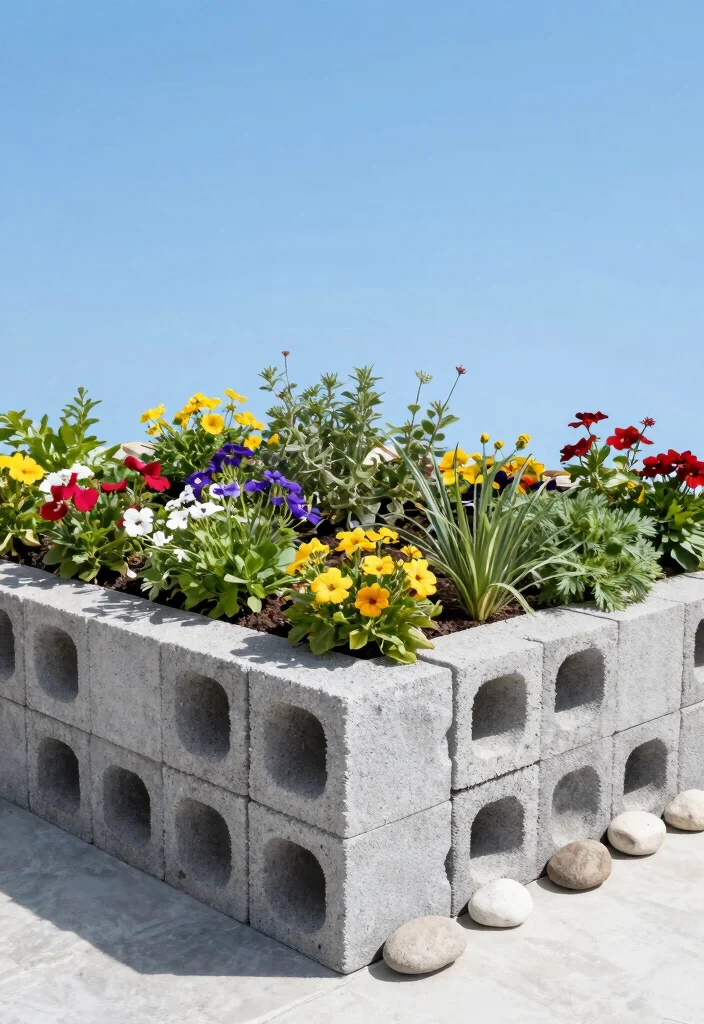
Cinder blocks can do more than just build walls—they can create functional garden beds! This quick and easy project can be completed in under an hour, adding a modern touch to your outdoor space.
Simply arrange cinder blocks in a square or rectangular shape, filling the holes with soil for planting herbs or flowers. The open spaces in the blocks also provide additional planting opportunities for small plants or succulents.
Tip: Consider painting the cinder blocks to match your garden decor for an added pop of color.
Quick Steps:
– Arrange cinder blocks to create your desired shape.
– Fill the center with soil and plant your chosen flora.
This option encourages creativity while making a bold statement in your garden!

【SIZE】: Vertical garden planter size: 33.1*18*28.7 inches.

Stair-Step Frame: The overall size of the frame is 46" x 46" x 24"; The stair-step design maximizes use of vertical space, allowing each layer to hold enough soil; Each tier features bottom drainage holes to prevent waterlogging; Ample planting space to arrange your greens according to mature plant size, ideal for vegetables, flowers and herbs

【3 Tier Raised Garden Bed】The vertical garden planter adopts 3 tier design, so there is enough space to plant and divide vegetables, herbs, flowers, etc. Save a lot of space for you and keep your garden well organized.
5. Ladder Garden
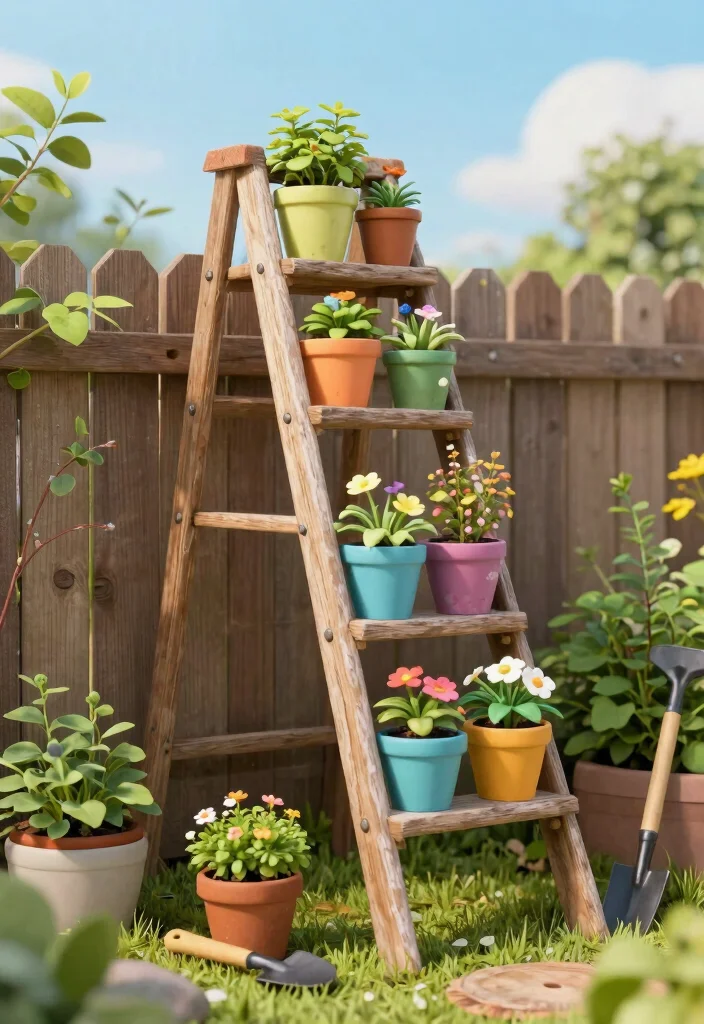
Transform an old wooden ladder into a quirky raised garden bed! Lean it against a wall or fence and use the rungs to hold small pots of herbs and flowers. This vertical approach not only saves space but also adds a whimsical touch to your garden.
Paint or stain the ladder to fit your outdoor theme, making it a fun DIY project suitable for anyone.
Tip: Apply a waterproof sealant on untreated wood to extend its life outdoors.
Quick Steps:
– Locate an old wooden ladder.
– Secure it against a wall or fence.
– Place pots on the rungs and fill with soil.
Your ladder garden will be a charming conversation starter and a creative way to display your plants!
Turn an old ladder into easy raised garden beds—lean it against a wall and stack herbs on each rung. Paint or stain it to fit your outdoor vibe, making a space-saving, whimsical feature. Pro tip: seal untreated wood first to weather the outdoors.

Discover the ergonomic elegance of our oval design—engineered for stress-free gardening and visual appeal. Raised flower bed features a heavy-duty construction using secure clamps and bolts, making it the best choice raised garden bed for hassle-free assembling and long-term garden fun, even for beginners or seniors.


Discover the ergonomic elegance of our oval design—engineered for stress-free gardening and visual appeal. Raised flower bed features a heavy-duty construction using secure clamps and bolts, making it the best choice raised garden bed for hassle-free assembling and long-term garden fun, even for beginners or seniors.
6. Reclaimed Wood Garden Bed
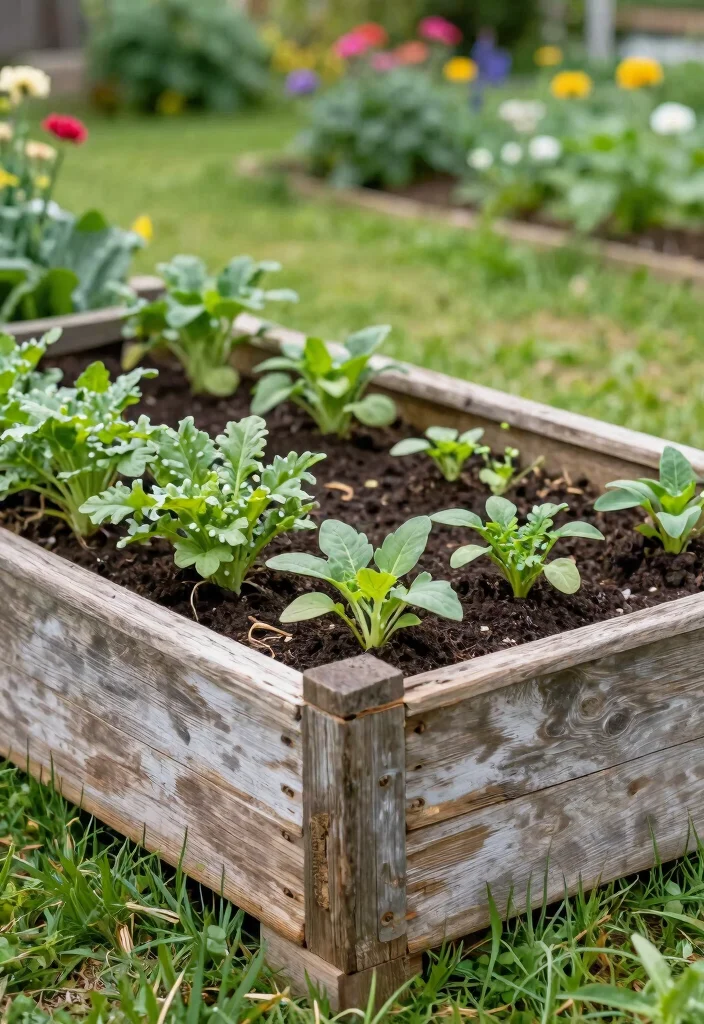
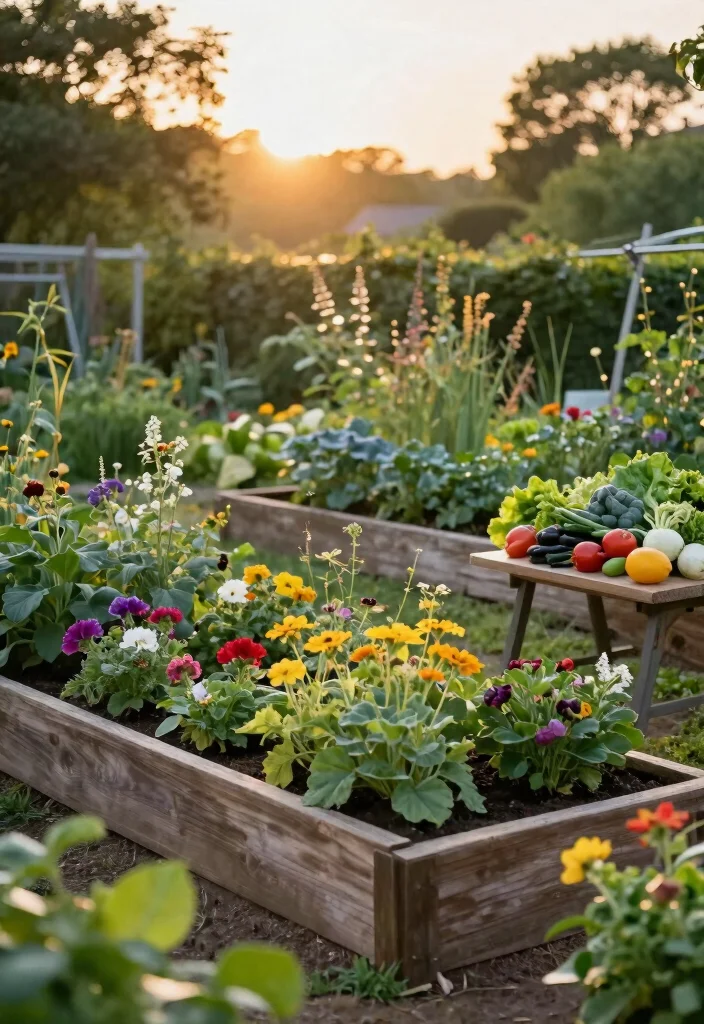
Using reclaimed wood for a raised garden bed is eco-friendly and adds rustic charm to your garden. Assemble several planks into a frame, and in less than an hour, you’ll have a beautiful garden bed ready for planting!
Fill it with nutrient-rich soil and your choice of seeds or seedlings, and watch your plants flourish. This option offers customization based on your space and aesthetic preferences.
Tip: Ensure the wood is untreated to prevent chemicals from leaching into your soil.
Quick Steps:
– Gather reclaimed wood planks.
– Construct a rectangular frame and secure it.
– Fill with soil and plant your garden.
Your reclaimed wood garden bed will create a cozy atmosphere while being both functional and stylish.
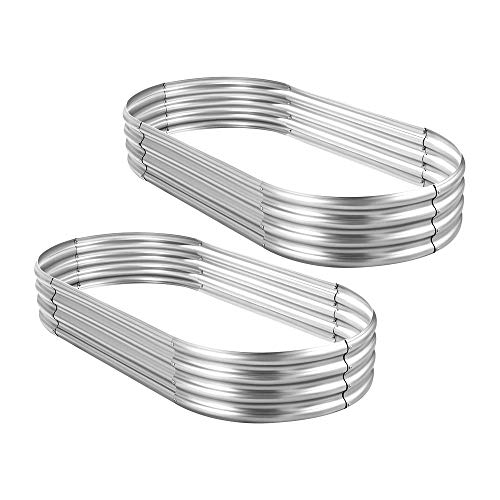
Each raised metal garden bed size: 4×2×1ft , 7Cu

SIZE: The plant bed measure is 23.6"L x 23.6"W x 11.8"H. This round planter box provide ample growing space to raise vegetables, flowers and plants.

Size: Accessories for 2 complete garden beds in one box!!! 72"(L) x 36"(W) x 12"(H), growing area of this garden bed perfect for an array of vegetables, herbs, and flowers in your yard
7. Fabric Raised Garden Bed
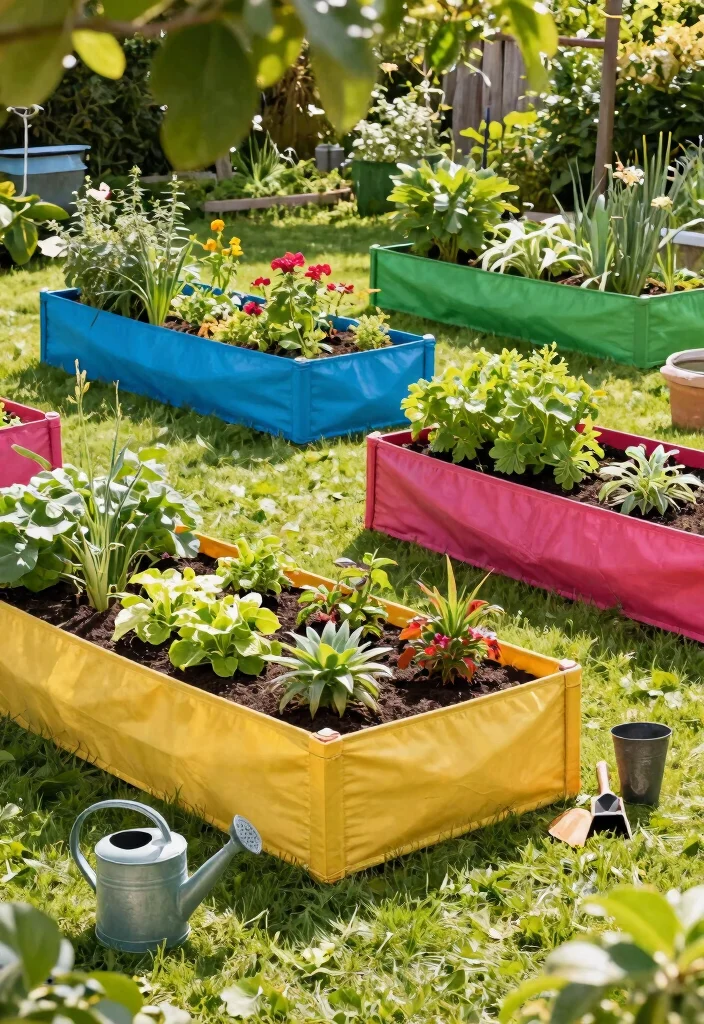
For a truly unique option, consider crafting a raised garden bed from durable fabric. This approach involves sewing or purchasing pre-made fabric beds that are lightweight and easy to set up anywhere.
These fabric beds provide excellent drainage, helping to prevent root rot and creating a great environment for your plants. Just fill them with soil and your favorite seeds or plants.
Tip: Use fabric in various colors to brighten your garden and create a playful vibe.
Quick Steps:
– Purchase or sew your fabric garden beds.
– Fill them with soil and plant your seeds.
Lightweight and versatile, fabric raised garden beds fit perfectly in any corner, making them ideal for limited spaces!

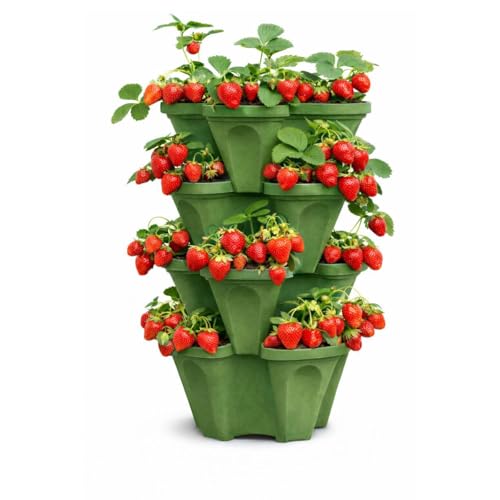
Grow 16 Plants in Just 1 Square Foot Maximize your harvest with this vertical planter tower featuring 4 stackable tiers and 16 planting sites. Perfect for strawberries, herbs, lettuce, and small vegetables in tight spaces.
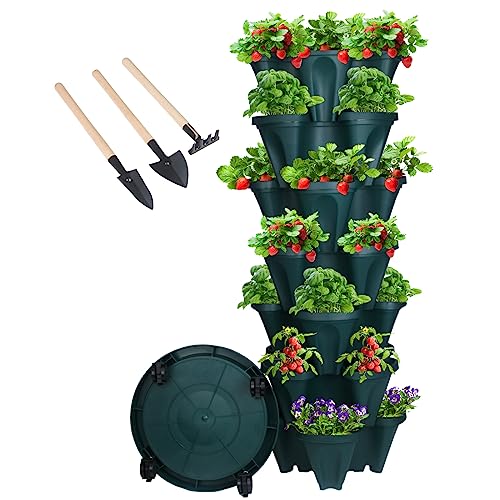
SAVE FLOOR SPACE - Stackable vertical planter tower
Difficulty Rating & Requirements
Overall Difficulty Rating: Easy
Building easy raised garden beds is an approachable project for most people, regardless of their skill level. Whether you’re a seasoned gardener or a beginner exploring simple gardening projects, you can tackle these beds with confidence. The straightforward designs and minimal tools make this suitable for anyone looking to add a touch of green to their outdoor space.
Time Estimate:
⏱ Estimated time: 1 hour
Most of these projects can be completed in under an hour. Here’s a quick breakdown of the phases:
– Planning & Design: 10 minutes
– Gathering Materials: 15 minutes
– Building the Bed: 30-35 minutes
– Planting: 5-10 minutes
Skill Requirements:
– Required skills: Basic measuring, cutting, and assembly
– Beginner-friendly: Yes, with clear instructions and minimal tool use
– Skills that can be learned: Basic carpentry, planting techniques
– Skills requiring experience: None; all projects are designed for ease and accessibility
Tools & Materials Needed:
🧰 Essential items checklist:
– Wood or pallets: Required
– Nails or screws: Required
– Hammer or screwdriver: Required
– Measuring tape: Required
– Soil: Required
– Plants or seeds: Required
– Level (optional): Helpful for ensuring a flat surface
– Landscape fabric (optional): Can help with weed prevention
Step-by-Step Overview:
1. Planning & Design (10 minutes): Choose the style and location of your garden bed. Sketch your design, keeping in mind the dimensions and type of plants you want to grow.
2. Gathering Materials (15 minutes): Collect all necessary materials and tools based on your design. Visit your local hardware store or use recycled materials for a more eco-friendly approach.
3. Building the Bed (30-35 minutes): Assemble your raised garden bed according to your design. Use nails or screws to secure the wood. For pallet beds, simple disassembly and reassembly will do the trick.
4. Soil & Planting (5-10 minutes): Fill the bed with soil and plant your chosen seeds or seedlings. Ensure to follow planting depth guidelines for success.
Cost Comparison: Professional vs DIY:
Hiring professionals to build custom garden beds can range from $200 to $1,000 based on size and materials. In contrast, creating your own easy raised garden beds can cost between $50 and $150, depending on your materials. If you’re on a budget or enjoy DIY projects, tackling this yourself is a smart choice. It allows for personalization and creativity, plus the satisfaction of growing your own food or flowers!

MADE IN THE USA – SUPPORTS 3 SMALL BUSINESSES Proudly manufactured in the United States. Every Smart Spring planter purchased directly supports three small U.S. businesses, helping keep jobs and production local.
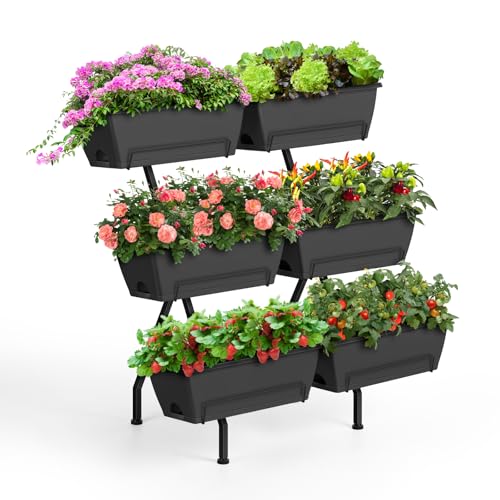
【Space-Saving Vertical Garden System】 Six stackable planters transform tight spaces into lush gardens – perfect for urban balconies, small patios, or indoor greenery. Strategically alternate herbs, flowers and vegetables across tiers to create your perfect mini ecosystem.
8. Wine Barrel Garden Bed
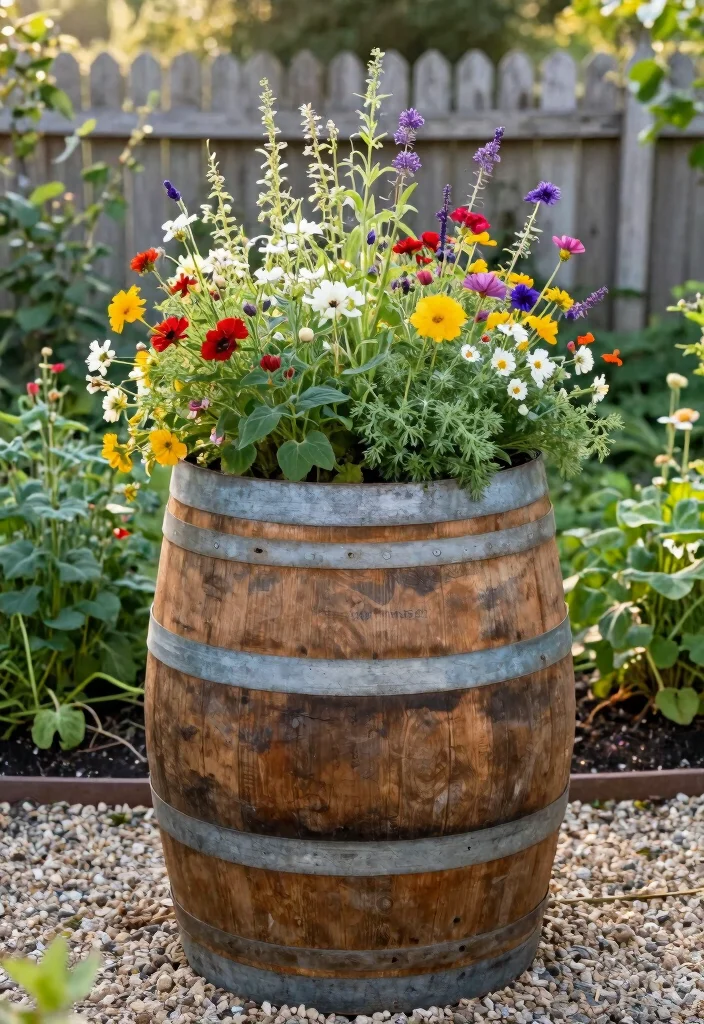
Repurposing an old wine barrel into a raised garden bed adds character to your garden. Cut the barrel in half and fill it with soil for planting. Its round shape offers a unique aesthetic, creating a stunning centerpiece in your outdoor space.
Plant herbs, flowers, or even small vegetables, and enjoy a lovely display.
Tip: Drill holes in the bottom for proper drainage to keep your plants thriving.
Quick Steps:
– Find an old wine barrel.
– Cut it in half and drill drainage holes.
– Fill with soil and plant your favorites.
Your wine barrel garden bed will be a delightful addition, combining function with flair!
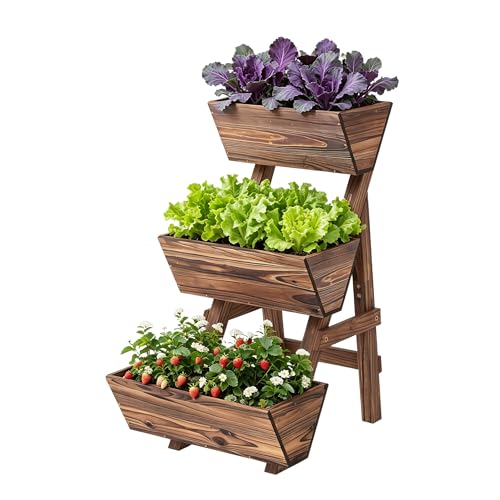
【Space-Saving 3-Tier Design】: The 3-tier planter box design will not take up too much floor space, which can separate and organize the sections as well as grow different kinds of plants. The trapezoidal design allows all plants to enjoy full sunlight for better growth. The box bottom of each tier is equipped with drainage holes to help drain excess water and prevent root rot

3-Tier Structure: This trapezoidal planter offers a 3-tier design with different depths, perfect for planting vegetables, herbs, and flowers while creating an attractive, compact garden area.

【Tiered Vertical Raised Garden Bed】Split-level and ladder design can offer ample spce for plants to grow and plant on each tier can receive enough sunshine. In addition, the triangular design of the base legs makes the planter stand more stable when bearing weight.
9. Metal Container Garden Bed
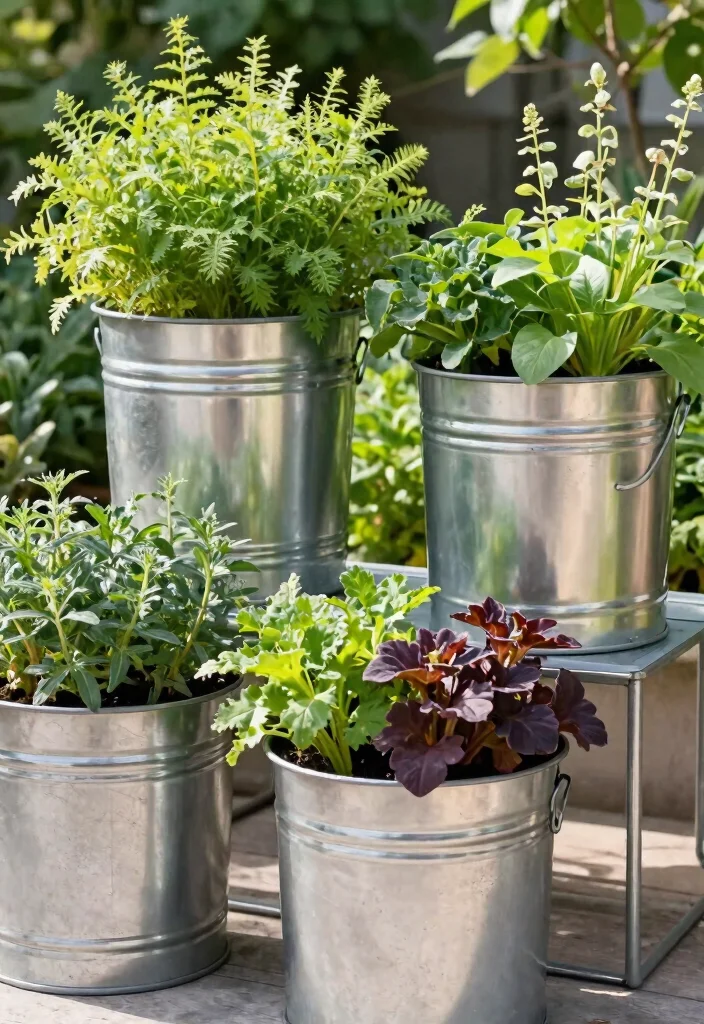
Metal containers introduce a modern flair to your gardening efforts. These durable beds can be found at garden centers and are easy to set up. Fill them with quality potting mix and grow your desired herbs or vegetables.
The metal provides excellent drainage and retains heat, promoting healthy plant growth. With various shapes and sizes available, they are a versatile option for any garden.
Tip: Add a protective liner to the container to extend its lifespan.
Quick Steps:
– Purchase or repurpose metal containers.
– Fill with soil and arrange your plants.
Metal container garden beds not only provide stylish spaces for your plants but also elevate your garden’s overall aesthetic!
Fun fact: metal container beds drain exceptionally well and heat the soil 15–20% faster, giving herbs and veggies a quicker head start in tight spaces. Pair them with a liner to extend their life, and you’ve got durable, easy raised garden beds that impress.

Discover the ergonomic elegance of our oval design—engineered for stress-free gardening and visual appeal. Raised flower bed features a heavy-duty construction using secure clamps and bolts, making it the ideal choice raised garden bed for hassle-free assembling and long-term garden fun, even for beginners or seniors.

【Spacious Planting Space】Raised garden bed with legs dimensions: 70.9x22.8x31.5 in, boasting a deep 11.8" raised planter box—way beyond the standard 8". With room for 80 gallons of soil, your veggies, fruits, herbs, and flowers will thrive.

Discover the ergonomic elegance of our oval design—engineered for stress-free gardening and visual appeal. Raised flower bed features a heavy-duty construction using secure clamps and bolts, making it the best choice raised garden bed for hassle-free assembling and long-term garden fun, even for beginners or seniors.
10. Straw Bale Garden Bed
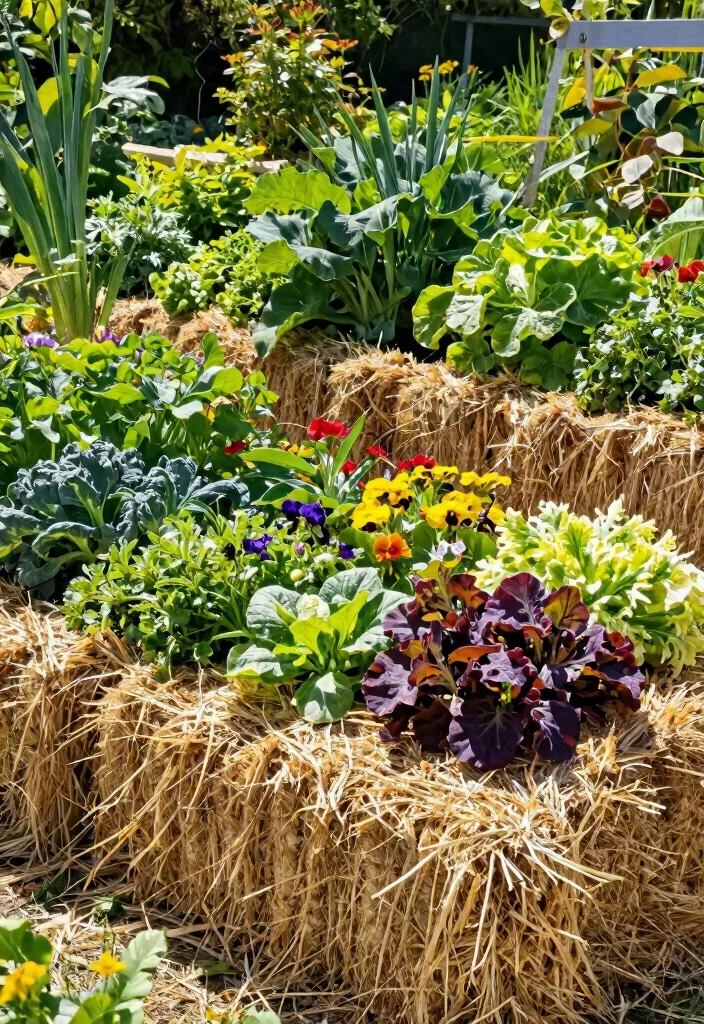
A straw bale garden bed offers a fun and easy way to garden without heavy groundwork. Position straw bales in a sunny spot, and once they’re ready (after a few weeks), you can plant directly into them!
The straw provides warmth and moisture retention, making it ideal for growing vegetables. This method is particularly great for beginners seeking a low-maintenance gardening solution.
Tip: Start your plants in the bales once they’ve decomposed slightly to ensure proper nutrient availability.
Quick Steps:
– Arrange straw bales in a sunny area.
– Allow them to decompose for a few weeks.
– Plant directly into the bales.
Your straw bale garden can be an exciting and unique way to grow vegetables while being simple to manage!
11. Plastic Tote Garden
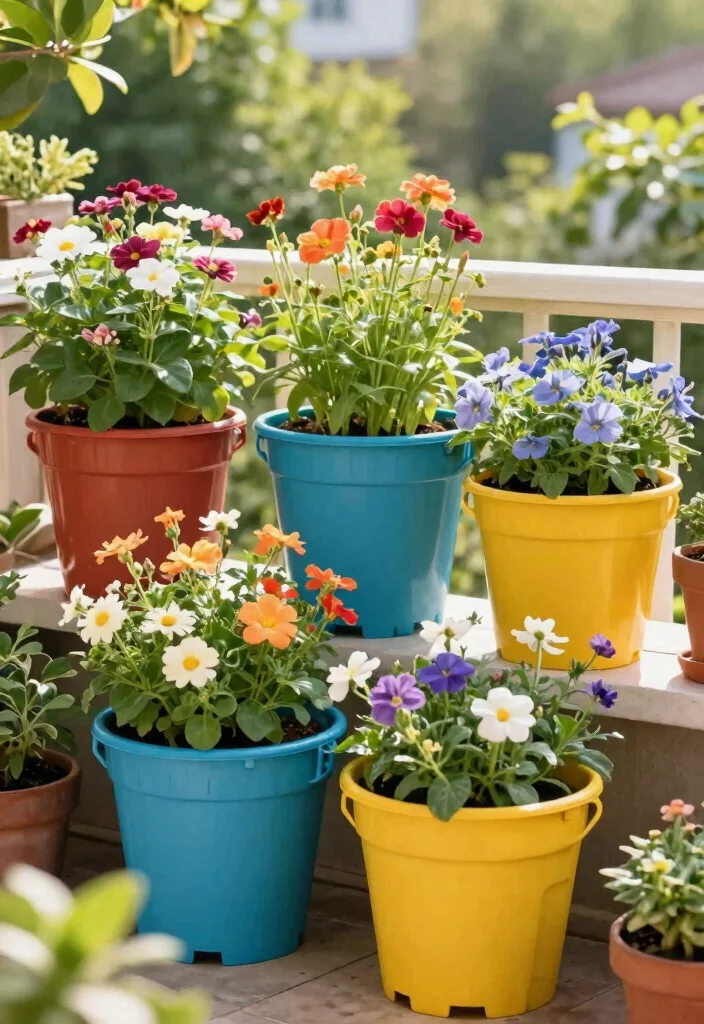
For those without a yard, using plastic totes as garden beds is a smart way to enjoy gardening indoors or on a balcony. Fill these containers with potting soil and grow various plants, from herbs to ornamental flowers.
Lightweight and easy to move, you can shift them around to catch the best sunlight. Just drill a few holes in the bottom for drainage, and you’re all set!
Tip: Opt for colorful totes to enhance the aesthetic appeal of your indoor or outdoor space.
Quick Steps:
– Gather plastic totes of your choice.
– Drill drainage holes in the bottom.
– Fill with soil and plant your picks.
Plastic tote gardens provide a flexible and fun way to grow plants, adding vibrancy to any area!
Fun fact: A plastic tote garden can be ready in under 30 minutes—drill drainage holes, fill with potting soil, and you’re growing herbs in minutes. Lightweight and movable, these easy raised garden beds turn balconies into lush, productive spaces.
12. DIY Wooden Crate Garden
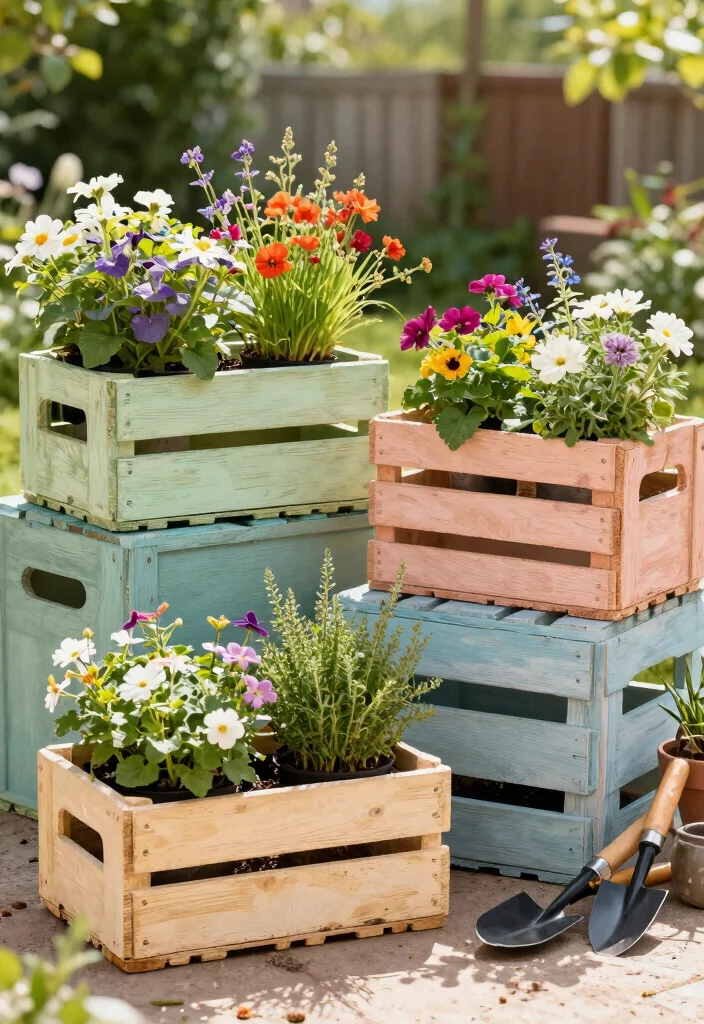
Old wooden crates can quickly become rustic raised garden beds! Stack them or place them side by side, depending on your space and preference. Their slatted design allows for excellent drainage, making them suitable for various plants.
Line the inside with landscape fabric to retain soil while keeping pests at bay. You can also paint or stain the crates to match your outdoor decor for an extra touch of flair.
Tip: Monitor soil moisture closely, as crates tend to dry out faster than traditional beds.
Quick Steps:
– Source old wooden crates.
– Line with landscape fabric.
– Fill with soil and plant your favorite herbs or vegetables.
With a DIY wooden crate garden, you can enjoy a charming and functional space for your plants without a lengthy setup!
Frequently Asked Questions
Question: What makes these easy raised garden beds truly quick to build in under an hour, and are they beginner-friendly?
Answer: These beds are designed for speed and simplicity. They use a straightforward frame, common lumber or ready-made kits, and simple fast assembly that does not require advanced carpentry.
By prepping materials, using a basic rectangular footprint, and pre-drilling, you can have a working bed in under an hour.
It is highly beginner-friendly because you only need basic tools (screwdriver, drill, and a saw if you are cutting boards) and minimal steps.
Practical tip: lay out your plan first, gather hardware, and fill with a ready-made soil mix before planting. This approach captures the spirit of easy raised garden beds and quick garden bed ideas you can tackle this weekend.
Question: What materials work best for DIY raised garden beds in small spaces?
Answer: For small spaces, choose materials that are lightweight, durable, and safe for edibles.
DIY raised garden beds are commonly built with cedar or untreated pine with a non-toxic seal. Reclaimed pallets or corrugated metal can also work, but avoid treated lumber near food unless it is properly lined.
For fast builds, consider modular panels or kit frames that snap together. If you want ultra-low height, use fabric or mesh liners for drainage, and always check local availability to keep your build simple.
Question: How can I design these beds to fit vertical layouts in a tiny space and still maximize yield?
Answer: Vertical or wall-mounted options let you pack more planting into small spaces.
Use a simple stacked frame, attach a trellis or wire grid, or repurpose a pallet as a vertical planter. For easy raised garden beds that lean into vertical design, aim for a shallow bed with a sturdy back and an integrated trellis. Plant vine crops like beans, cucumbers, or tomatoes along the trellis and tuck greens and herbs in the lower layers.
This turns quick garden bed ideas into a tall, productive setup even in apartments or balconies.
Question: What soil mix and starter plants give quick results in these beds?
Answer: Fill your bed with a light, well-draining mix: about 60% high-quality topsoil, 30% compost, and 10% perlite or coarse sand. A layer of mulch on top helps retain moisture.
For starter plants, go with fast growers like lettuce, spinach, radishes, green onions, and herbs. If you are starting from seeds, choose quick-growing varieties and thin as needed.
This combination supports beginner-friendly gardening tips and gets you leaves, herbs, and roots fast — perfect for fast garden bed construction and easy raised garden beds.
Question: What maintenance tips and common mistakes should I avoid to keep these beds productive?
Answer: Common mistakes include overwatering, under-watering, ignoring drainage, and not prepping a solid soil base.
To maintain, water deeply when the top inch is dry, amend soil seasonally with compost, and mulch to reduce evaporation. Rotate crops to prevent disease, trim or trellis as needed, and keep paths clear so you can access beds easily.
If you used wood, re-seal or replace any warped boards before they fail. With these beginner-friendly gardening tips, your easy raised garden beds stay productive year after year.
Related Topics
easy raised garden beds
DIY raised garden beds
small space gardening
quick garden bed ideas
beginner-friendly gardening
fast garden bed construction
simple gardening projects
vertical gardening
outdoor DIY
seasonal gardening
compact gardening solutions
time-saving gardening