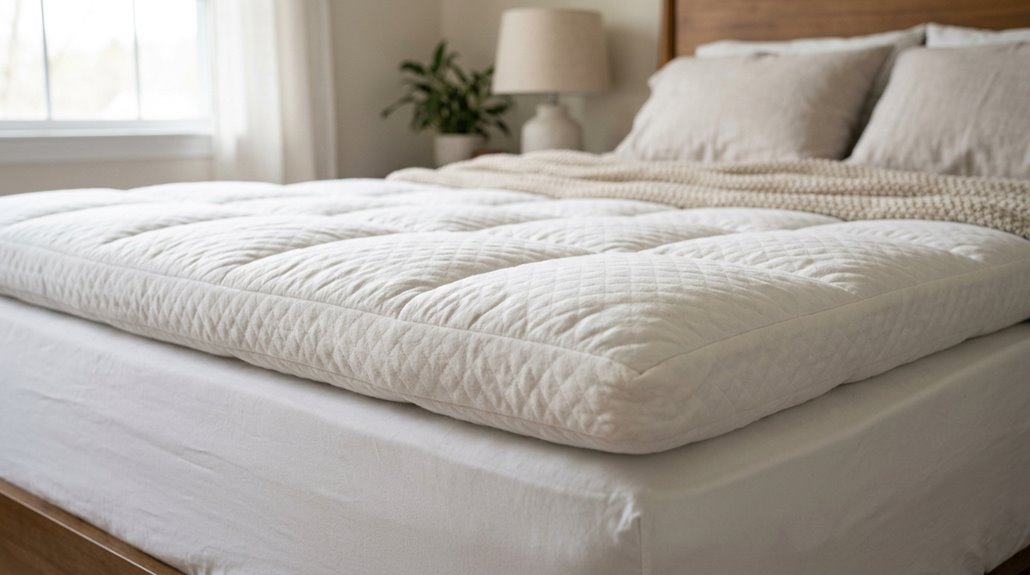
I’ve found that mattress toppers genuinely work, but only for specific problems. They’re excellent if your mattress feels too firm, runs hot, or has minor sagging under 3–4 centimeters. I use memory foam toppers for pressure relief and latex ones for cooling. However, they won’t fix deep sagging or mattresses over ten years old. Think of them as comfort adjusters, not structural fixes. Understanding your exact problem, whether firmness, heat, or sagging, determines whether you’ll see results.
The right topper type can directly address your specific sleep issue.
Do Mattress Toppers Actually Work?
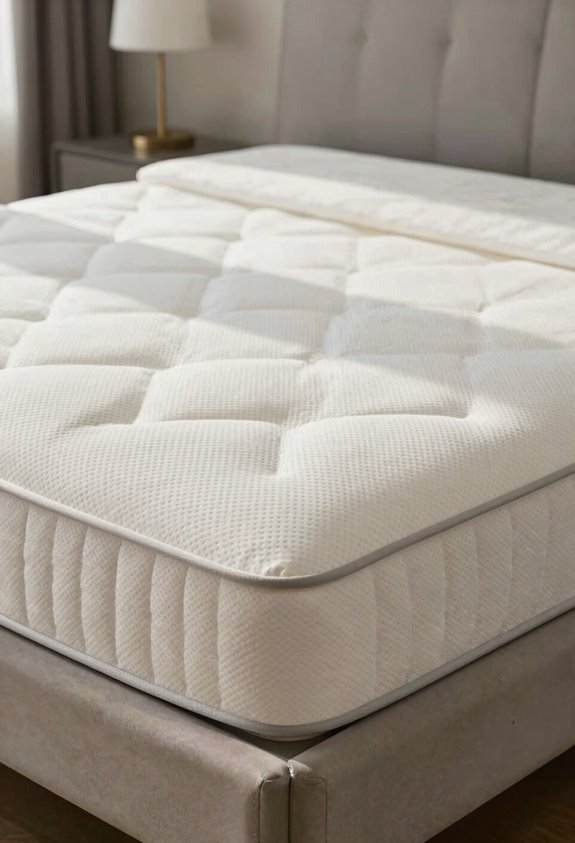
Mattress toppers genuinely work, but they’re not a magic fix for every sleep problem. They excel at adjusting feel and temperature through memory foam and cooling features. They deliver real pressure relief and motion isolation, which can make a noticeable difference in sleep quality.
However, they work best for minor to moderate comfort issues. If your mattress has significant sagging of more than 3 to 4 centimeters deep, a topper won’t solve it. Testing one on an old, heavily sagging mattress showed limited effectiveness.
The practical benefit is that they extend your mattress lifespan affordably and removably. Expect them to last 1 to 3 years, depending on quality. This represents a worthwhile investment if you need a quick adjustment without purchasing a new mattress.

Enhanced Comfort & Pain Relief: The 3 inch ergonomic design contours to your body, relieving pressure and pain. A blend of shredded memory foam and soft synthetic fibers provides cloud-like comfort, balanced support, and effective pressure relief for a more restful and relaxing sleep.
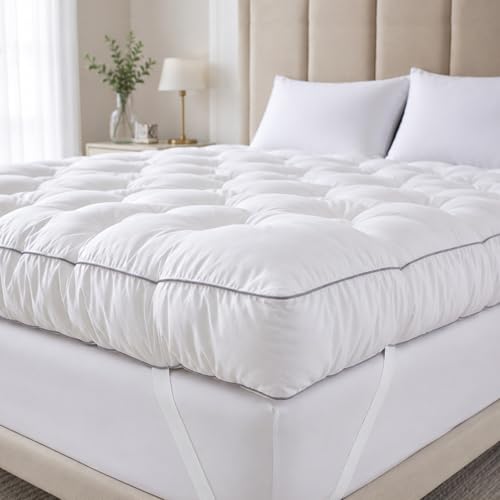
【5-Inch Extra Thick Comfort & Support】 SHOUREN mattress topper features a full 5-inch upgraded thickness, combining gel memory foam with supportive shredded foam. This dual-layer structure provides enhanced pressure relief, improved softness, and stable support for back, waist, and shoulders.

Built for Comfort: 3 inch of AeroFusion Memory Foam is crafted to fit body's micro pressure points and conform to body's curves and shape for comfort throughout your sleep. Putting the topper on top of the mattress and under the mattress cover will give you a new and softer mattress, extending the life of the mattress and giving you a new sleep experience.
Identify Your Mattress Problem: Firmness, Heat, or Sagging?
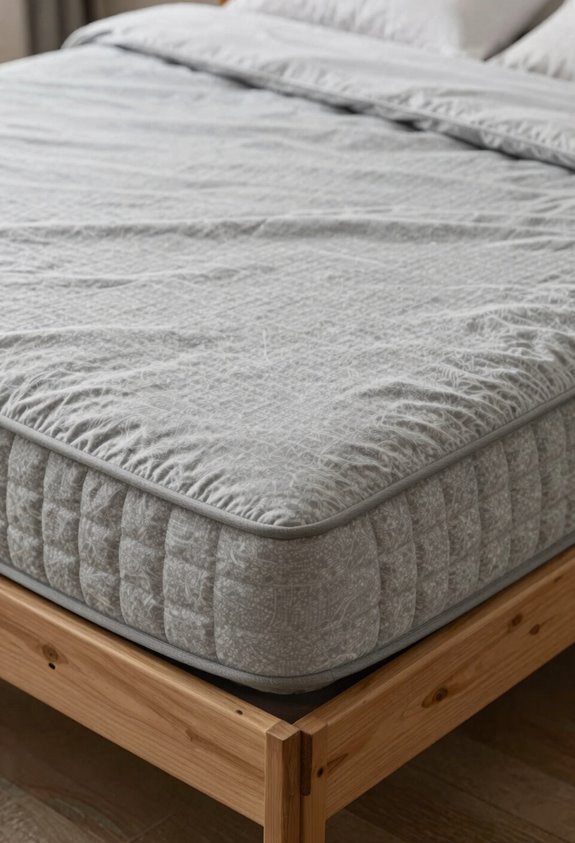
Before you buy a topper, figure out what’s actually bothering you about your mattress: is it too hard, too hot, or sagging in spots. Once you identify your problem (such as night sweats), you can pick the right solution instead of wasting money on something that won’t help. Let’s look at each issue and which toppers can fix them.

ULTRA SOFT: Niagara Queen Mattress Topper is made from rayon derived from bamboo fiber and fits mattresses 8-20 inches deep. The mattress topper queen is 60x80 inches in size, gentle on sensitive skin, and ultra-soft.

Cooling & Breathable Fabric Surface: The cooling mattress topper is crafted with 21% viscose derived from bamboo, 21% polyethylene cooling fiber, and 58% polyester air-layer fabric. It delivers a soft, breathable, and cool-to-the-touch surface to help hot sleepers stay cooler and more comfortable throughout the night. Note: The patterned side is designed as the top sleeping surface for optimal comfort and cooling performance.
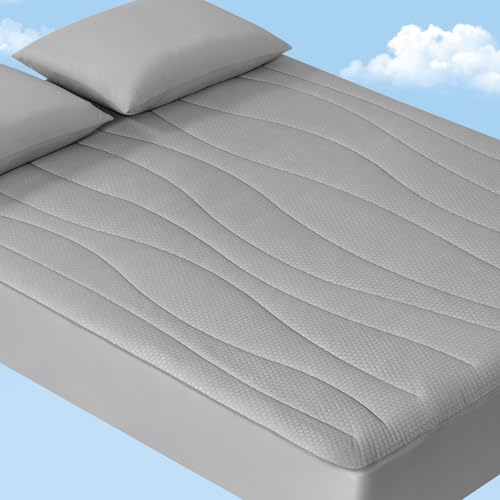
Instant Cooling – Cool from First Touch: Powered by upgraded Arc-Chill 3.0 cooling fabric, this cooling mattress pad delivers an instant cool-to-the-touch feel the moment you lie down. It quickly draws heat away from your body and helps reduce that sticky, sweaty sensation on warm nights. Perfect for hot sleepers, summer heat, or restless nights, it creates a refreshing sleep surface that helps you relax faster and stay comfortable longer.
Too Firm Mattress Solutions
What’s the real problem with your mattress: is it too hard, too hot, or sinking in the middle? If firmness is your issue, a quality topper can transform your sleep. A memory foam topper adds that cushioned comfort layer you’re missing without replacing your entire mattress.
The Saatva Graphite Memory Foam Topper provides a medium soft feel and includes a 180-night sleep trial, allowing you to test whether softness actually improves your rest. For targeted pressure relief on your shoulders and hips, high-density memory foam options like ViscoSoft Select work well. They’re rated medium firm with extra padding where you need it most. A topper narrows the gap between too firm and your preferred comfort level.
Heat Retention and Cooling
If firmness isn’t your main complaint but you’re waking up drenched in sweat, your mattress is likely trapping too much heat. The solution is a cooling topper that can significantly improve your sleep quality.
| Topper Type | Key Feature | Best For | How It Works |
|---|---|---|---|
| Gel-infused memory foam | Cooling gel particles | Hot sleepers | Absorbs and disperses body heat |
| Open-cell foam | Breathable structure | Year-round comfort | Allows air circulation through foam |
| Latex | Natural temperature regulation | All sleepers | Maintains consistent coolness naturally |
| Wool blend | Moisture-wicking fibers | Combination sleepers | Pulls sweat away from skin |
Choose a topper with gel-infused memory foam or open-cell foam construction. These materials offer superior breathability and reduce heat retention. Look for ones with cooling covers as well, since they provide measurable improvements in temperature regulation throughout the night.
Sagging and Support Issues
Over time, sagging mattresses feel less like a comfort problem and more like sleeping in a hammock. Your body sinks into a permanent groove, and you wake up feeling unsupported and achy.
A thick layer topper can help with minor sagging, but deeper dips (3–4 cm or more) signal you need a real mattress replacement. Foam toppers work best for slight issues, while cooling toppers help if heat makes sagging feel worse. Zoned support designs with firmer midsection layers target your shoulders and hips where sag happens most.
Toppers bridge the gap temporarily, but the mattress replacement dynamic is clear. When sagging runs deep, investing in a new mattress with built-in support beats temporary fixes.
Which Topper Type Solves Your Sleep Problem?
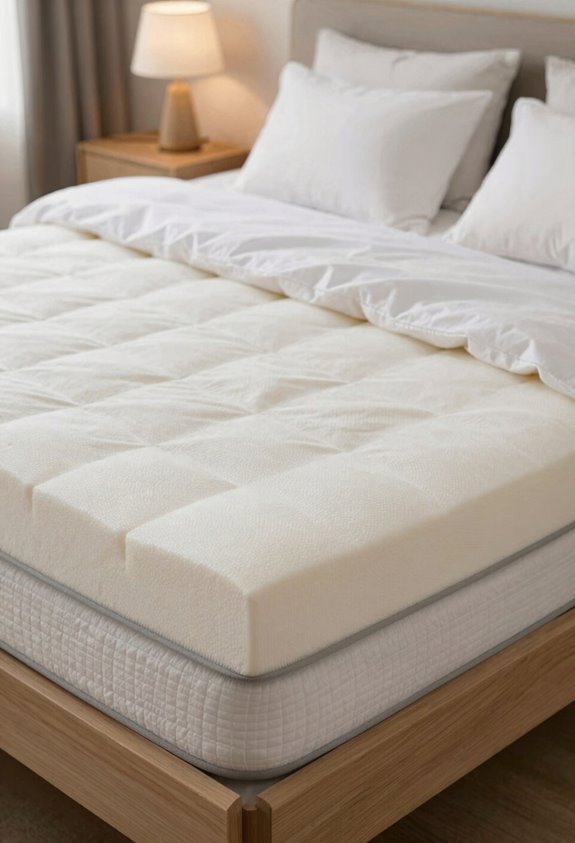
The right topper depends on what’s keeping you up at night. I’ve tested different types, and here’s what actually works for various sleep problems:
| Your Problem | Best Topper Type | Why It Works |
|---|---|---|
| Pressure buildup | Memory Foam Topper | Delivers excellent pressure relief and contours to your body |
| Running hot | Cooling Topper | Temperature regulation keeps you comfortable all night |
| Need support variety | Latex Topper | Balanced pressure relief with firmness options |
Matching your specific issue to the right topper makes a real difference. If you sleep hot, a cooling topper with temperature regulation outperforms standard options. For pressure relief, memory foam works well. If you and your partner need different firmness options, dual-sided toppers solve that problem. Sleep quality improves when you select based on your actual needs.
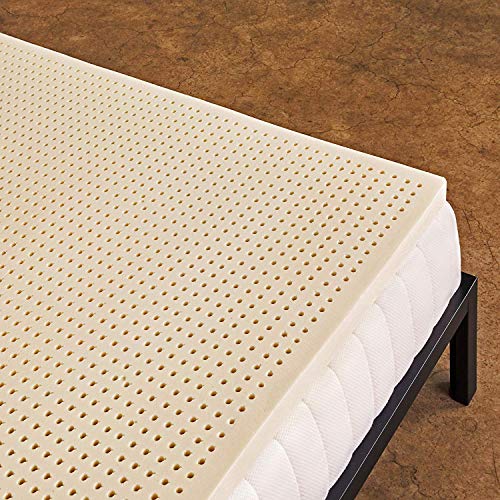
Soft - Great for Adding Softness to the Surface of a Mattress
Soft - Great for Adding Softness to the Surface of a Mattress
Soft - Great for Adding Softness to the Surface of a Mattress
Mattress Topper Materials: Memory Foam vs. Latex vs. Down
When shopping for a topper, the material makes all the difference. Memory foam molds to your body and takes pressure off your joints, latex bounces back and lasts for years without breaking down, and down feels soft but doesn’t provide much support if you need it. Your choice depends on what your body requires: if you’re achy, memory foam is effective; if you want durability, latex is the better option; and if you prioritize softness without support concerns, down works well. Matching your topper material to your body’s actual needs ensures better sleep quality.

【Fix Sagging for Under Mattress】: Effectively repair your sunken mattress and offer bed support, save your money and extend the life of mattress. Fix uncomfortable ugly sags in your bed and restore its beauty, HOMBYS mattress firming pad keeps your bed mattress look like new

【3 Pieces】: 2 pads measuring 17"x13"x1.5". 1 pad measuring 17"x13"x1". We design 3 pieces foam mattress sagging repair foam to meet your need, because maybe oneside of your mattress need more padding than the other side. You can use them in combinations

GREEN TEA + CHARCOAL INFUSED FOAM – Our proprietary blend of green tea and charcoal keeps your sleep fresh and clean by neutralizing odors and moisture night after night
Memory Foam Pressure Relief
How much does a mattress topper actually help if you’re waking up with shoulder or hip pain? Memory foam pressure relief works remarkably well for this. Memory foam toppers provide deep contouring that molds to your body, offering shoulder padding and hip relief exactly where you need it. This is especially noticeable for back sleepers, as the foam supports the spine while cushioning pressure points.
Heat retention is a significant drawback. For warm sleepers, gel-infused options help significantly by keeping things breathable without sacrificing that conforming feel. For back sleepers up to 230 pounds, memory foam delivers excellent support. Firmness matters considerably. Medium-soft toppers (around firmness 4) work great for deeper contouring, while firmer options (firmness 6) offer more structure if you prefer less sinkage.
Latex Durability And Support
If you’ve ever bounced on a latex topper, you’ll notice right away how different it feels from memory foam. Latex provides a responsive, springy sensation that prevents excessive sinking.
- Exceptional durability – latex toppers hold up for years without breaking down
- Strong support for spinal alignment throughout the night
- Superior cooling compared to memory foam’s heat retention
- Breathable construction that lets air flow freely
While memory foam excels at contouring and hugging your body, latex takes a different approach. It bounces back quickly rather than molding around you. Latex maintains its support without the temperature issues associated with other toppers. This durability translates to fewer replacements and better long-term value.
Down Alternative Comfort Characteristics
Why do so many side sleepers reach for down alternative toppers? They deliver that cloud-like plushness we’re all craving. These synthetic toppers mimic real down, creating an exceptionally soft surface that feels amazing right away, typically around medium soft on firmness scales.
Their breathability stands out. Unlike memory foam, they won’t trap heat all night. Their gusseted design keeps the fill distributed evenly, so you get consistent softness and decent shape retention.
Down-alternative toppers excel at initial comfort and softness, but they don’t provide deep pressure relief like memory foam does. For lighter to mid-weight sleepers seeking that plush feel without sinking in too much, they’re worth considering. Maintenance is simple too; many feature washable covers.
Why Topper Thickness Matters
The thickness of your mattress topper makes a significant difference in how much it’ll change your sleep.
Topper thickness directly impacts your comfort level and results:
- 2–4 inches: Gives you medium support and helps with temperature regulation without drastically changing your bed height
- 5–7 cm (2–3 inches): Delivers noticeable pressure relief and contour, perfect for addressing a sagging mattress
- 8–10 cm toppers: Offer major transformation but can make your bed feel completely different
- Light upgrades (2–4 cm): Best for minor adjustments when you don’t need dramatic changes
Consider your specific sleep issue first, whether that’s firmness or uneven spots. Then check your sheet fit and bed height compatibility. Selecting the right thickness ensures you’ll experience the improvement you’re seeking.

REFINED GRAPHITE COOLING COMFORT: Infused with premium graphite to gently draw excess heat away from the body, supporting a cooler, more balanced sleep environment. Crafted for long-term comfort with a subtly regulated experience night after night.
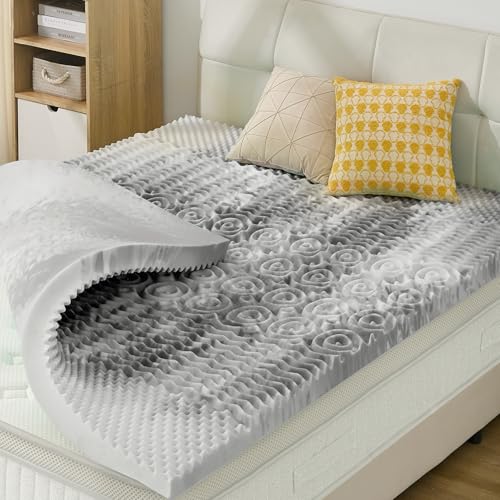
Total Pressure Point Relief: Unique 5-zone design is optimized to provide compliant support across the entire body (head and neck, torso, hips, upper legs, feet and calves). Our swirl memory foam mattress topper readily conforms to the curves and shape of your body and distributes weight evenly to alleviate pressure points for better sleep.

Ultimate Softness & Pressure Relief: Elevate your nightly rest with this 3-inch dense memory foam mattress topper. It perfectly adapts to your body weight and heat, fitting your natural body curve to ease strain on shoulders, hips and knees. Enjoy fluffy cloud-like softness for uninterrupted, restful sleep all night.
When Is a Topper Enough (and When Isn’t It)?
A topper can work wonders if your mattress is a few years old and just needs a comfort adjustment. However, it’s not a cure-all for deeper problems. If your mattress has major sagging or you’re dealing with chronic pain, a topper might only mask the issue when you really need a new mattress to solve it properly. The key question is whether you’re fixing a small comfort problem or avoiding a bigger mattress problem that will continue to affect your sleep quality.

PRESSURE RELIEVING MEMORY FOAM: Plush gel infused memory foam conforms to your curves for personalized comfort that hugs you to sleep; use it to rejuvenate an old mattress, soften a too-hard mattress, or prolong the life of your mattress

【Good support, fluffy and soft】 Skin-friendly breathable mattress cover, Combines the softness of Gel memory foam with the support of shredded memory foam, enhanced pressure relief and breathable surface for comfortable sleep.
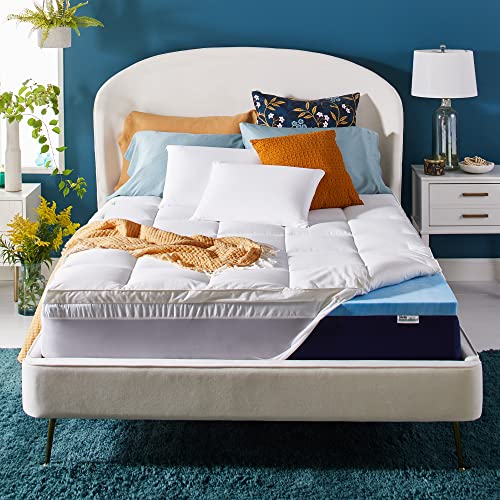
Dual Layer King Size Gel Memory Foam Mattress Topper: This luxurious 2 layer mattress topper features a 2 inch soft quilted pillow top cover with plush fiber fill and 2 inches of cooling gel memory foam for a medium feel
Temporary Solutions vs. Long-Term Fixes
So mattress toppers work best when you’re fixing a comfort problem, not a structural one. I learned this through experience. I thought a topper could save my sagging mattress, but it couldn’t.
Here’s the real difference between temporary and permanent solutions:
- Temporary: A topper adjusts firmness or temperature for 1–3 years
- Temporary: It extends a decent mattress’s life by a few seasons
- Long-term fix: A new mattress handles deep sags over 3–4 cm
- Long-term fix: Mattresses over 10 years old need replacement, not toppers
I now assess my mattress age and sag depth first. Minor comfort adjustments work with a topper. Structural problems demand a new mattress. A topper’s lifespan won’t solve what’s broken underneath.
Quality Mattress Considerations First
Before you buy a topper, check what’s actually wrong with your mattress.
I bought a memory foam topper hoping it would fix my sagging bed, but it only masked the problem temporarily. Here’s what to evaluate first:
| What to Evaluate | What It Means |
|---|---|
| Mattress age | Older than 7–10 years? Replacement beats toppers |
| Sagging depth | More than 3–4 cm? You’ll need a new mattress |
| Specific issues | Temperature, pressure relief, motion isolation? A topper helps |
| Budget reality | Quality cooling or latex toppers extend mattress life |
A topper works well for minor adjustments and improving sleep feel. If your mattress is old and deeply sagged, invest in replacement instead. You’ll get better rest by addressing the underlying problem rather than covering it up.
How to Install and Care for Your Topper
How do you get a mattress topper to actually stay in place and last? Proper topper installation and care maintenance make all the difference. Here’s what I do:
- Place the topper on your mattress with edges aligned
- Secure any elastic straps to keep everything in place
- Cover with a fitted sheet before adding blankets
- Allow compressed toppers 24–48 hours to expand fully
For my memory foam and latex core toppers, I avoid machine washing the cores entirely. Instead, I spot-clean stains and vacuum weekly. I rotate the topper 180° every 2–3 months to prevent uneven wear and protect my mattress investment. If your topper has a removable cover, machine-wash it per label instructions. These simple steps keep my cooling features working and my topper comfortable for years.

【Premium Materials & Cool Touch Surface】Our Surefit King size cooling mattress topper Made with 90% nylon and 10% spandex dobby stripe cool knit, and filled with 100% polyester plus 1/2-inch gel-infused memory foam, this cooling mattress topper adds a smooth, cool-to-touch surface with minimal added thickness. Designed for hot sleepers who want a fresher sleep feel without changing the firm support of their mattress.

Cooling Bamboo Viscose Top with 3D Air Layer: Made of 39% bamboo viscose and 61% polyester, the bamboo mattress topper surface features a 3D air layer design that enhances breathability, making it a great choice for hot sleepers.
ULTRA SOFT: Niagara Full Mattress Topper is made from rayon derived from bamboo fiber and fits mattresses 8-20 inches deep. The mattress topper full is 54x75 inches in size, gentle on sensitive skin, and ultra-soft.
Does a Topper Cost Less Than a New Mattress?
After you’ve got your topper installed and locked down, the next question is whether buying one actually saves money. A mattress topper cost ranges from about $104 to $499, making it a budget upgrade compared to a new mattress. This price comparison shows toppers work as a cost-effective solution when your mattress just needs a temporary fix.
Toppers typically last 1–3 years before you’ll need replacement cost to kick in again. This timeline is significant. If your mattress has serious sagging, a topper won’t cut it long-term, and you’ll end up spending more overall. However, bundles and sales can sweeten the deal. I’ve seen 35% off bundles, which makes toppers vs mattress even more budget-friendly for the right situation.
Firm - Provides Strong Pinpointed Support
Soft - Great for Adding Softness to the Surface of a Mattress
Medium Firmness - Provides Pinpointed Comfort & Support
Best Toppers by Sleep Style
What’s the point of buying a topper if it doesn’t match how you actually sleep?
Your sleep style matters more than anything else. Based on how you rest, consider these options:
- Side sleepers: Try the Saatva Graphite Memory Foam Topper for its pressure relief and contour feel (Medium Soft, 4)
- Back sleepers under 230 lb: The ViscoSoft Select High Density offers padding for shoulders and hips with solid motion isolation
- Couples needing different firmness options: Helix ErgoAlign features two distinct levels. Side 4 and Firm 6
- Hot sleepers: The Helix GlacioTex Premium cooling topper keeps you comfortable all night
Each option includes a sleep trial so you can test it risk-free. Pick based on your primary sleep position first, then consider your temperature needs.

[Instant Fix for Sinking Beds] Don't replace your expensive mattress—revive it! Our high-density foam sagging mattress support is specifically designed to eliminate uncomfortable sags and deep dips in minutes. By restoring a level sleeping surface, it extends the life of your bed and saves you thousands on a new mattress purchase
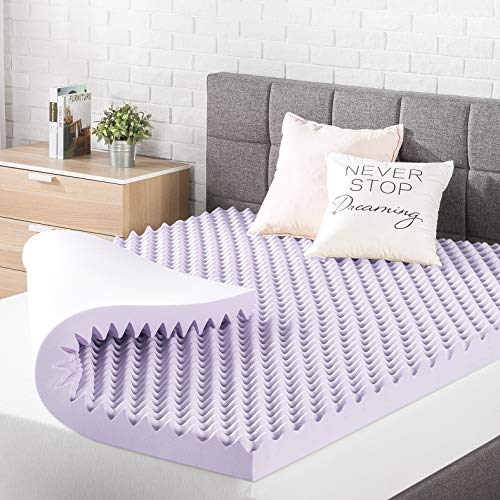
Egg crate mattress topper with increased airflow

2-in-1 Dual-Layer Design for Instant Comfort Upgrade: This memory foam mattress topper features a 2" plush pillow top and a 3" gel memory foam base for a total 5" thick design. Combines cushioning softness with dual-sided pressure relief in one topper. Instantly upgrades your mattress into a softer, more relaxing sleep space without the cost of replacing your bed. We recommend measuring your mattress beforehand to ensure the perfect fit
Are Mattress Toppers Worth Buying?
Whether a topper makes sense depends on what’s wrong with your mattress right now. Toppers work best as a cost-effective bridge solution when your bed needs a quick comfort boost. If your mattress sags more than 3–4 cm or you’re experiencing persistent pain, a topper is temporary, not permanent. That’s where trials matter. Options like the 180-night trial let you test whether added comfort actually helps your sleep needs. For durability, expect 1–3 years from most toppers, though higher-end designs last longer. At $225–$499, they’re cheaper than replacing your mattress entirely. If deeper problems exist, you’re eventually buying a new bed anyway. Toppers work best when your mattress foundation is still solid.

Egg crate mattress topper with increased airflow
Total Pressure Point Relief: Unique 5-zone design is optimized to provide compliant support across the entire body (head and neck, torso, hips, upper legs, feet and calves). Our swirl memory foam mattress topper readily conforms to the curves and shape of your body and distributes weight evenly to alleviate pressure points for better sleep.

PRESSURE RELIEVING MEMORY FOAM: Plush gel infused memory foam conforms to your curves for personalized comfort that hugs you to sleep; use it to rejuvenate an old mattress, soften a too-hard mattress, or prolong the life of your mattress
How Toppers Extend Your Mattress Life
Beyond just making your bed feel better right now, a topper actually works to protect your mattress from the wear that happens every night. A quality cushion layer shields your mattress from damage, extending its lifespan considerably.
Here’s how toppers protect your investment:
- Sagging protection: The topper absorbs nightly pressure instead of your mattress, preventing deep indentations
- Stain defense: Spills hit the topper first, keeping your mattress clean underneath
- Memory foam comfort: Distributes your weight across pressure points, reducing strain on the base mattress
- Durability advantage: A 2–4 inch layer takes the beating, lasting 1–3 years before replacement
When a topper was added to an older mattress, the sagging progression stopped noticeably. Rather than replacing the entire mattress right away, the topper extended its usable life by several years. This is a practical solution if your mattress still feels mostly comfortable but needs protection.