
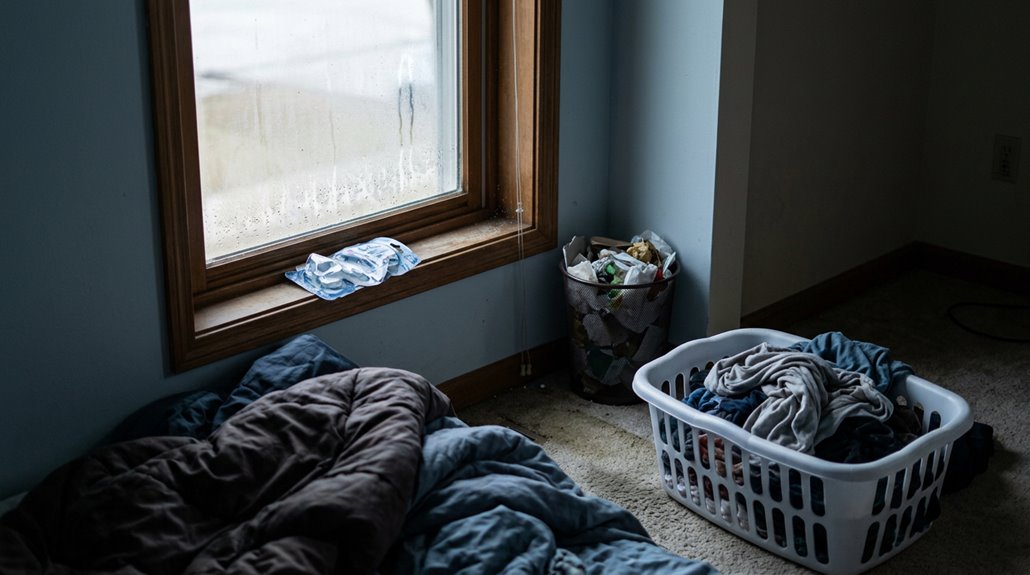
I’ve learned that bedroom odors usually stem from five main culprits: stagnant air, hidden mold, trapped smells in carpets and fabrics, stale bedding with body oils, and bacteria breeding in dirty laundry. Fixing it means opening windows daily, hunting for moisture behind furniture, vacuuming carpets weekly, washing sheets frequently in hot water, and keeping clothes off the floor. Each problem needs its own solution, and tackling them together produces measurable improvements in air quality and freshness.
Improve Ventilation to Break Up Stale Air
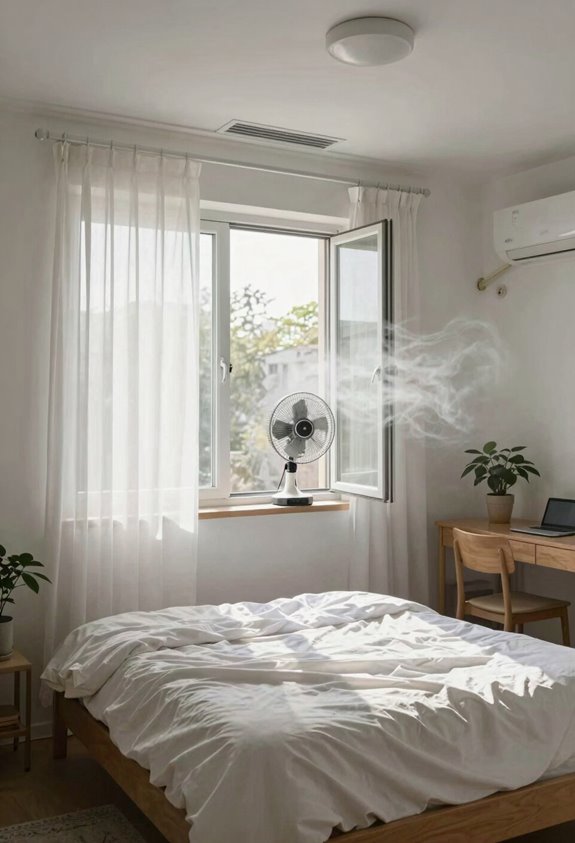
Why does my bedroom smell stale even after I’ve cleaned it? Stagnant air is often the culprit. Opening windows creates cross-ventilation, which speeds up air exchange and breaks up that trapped, musty feeling.
I now crack a window daily to improve my indoor air quality. Fresh air circulation helps reduce odor buildup naturally. I need to check outdoor conditions first. On high-pollen or smoggy days, I skip opening windows and use an air purifier instead.
For best results, I combine ventilation with other steps. I run a dehumidifier to control moisture, air out my bedding, and clean odor sources. This multi-step approach works better than relying on air flow alone. The improvement in how my bedroom smells demonstrates the effectiveness of this strategy.

WHY CHOOSE AHAM VERIFIDE AIR PURIFIERS: AHAM (Association of Home Appliance Manufacturers) is an ANSI-accredited organization that sets strict standards for appliance performance. Air purifiers with the AHAM VERIFIDE seal have been independently tested for air cleaning performance and energy efficiency. When you choose an AHAM certified air purifier, you're choosing a product trusted for reliable and effective indoor air quality improvement

𝗪𝗛𝗬 𝗖𝗛𝗢𝗢𝗦𝗘 𝗔𝗛𝗔𝗠 𝗩𝗘𝗥𝗜𝗙𝗜𝗗𝗘 𝗔𝗜𝗥 𝗣𝗨𝗥𝗜𝗙𝗜𝗘𝗥𝗦: AHAM (Association of Home Appliance Manufacturers) is an ANSI-accredited organization that sets strict standards for appliance performance. Air purifiers with the AHAM VERIFIDE seal have been independently tested for air cleaning performance, safety, and energy efficiency. When you choose an AHAM certified air purifier, you're choosing a product trusted for reliable and effective indoor air quality improvement

Effortless Operation: Simplified control panel with intuitive design makes it easy to operate. No complicated setup—just one tap, and you're on your way to cleaner air, saving time and letting you relax with ease
Stop Hidden Moisture and Mold Before They Spread
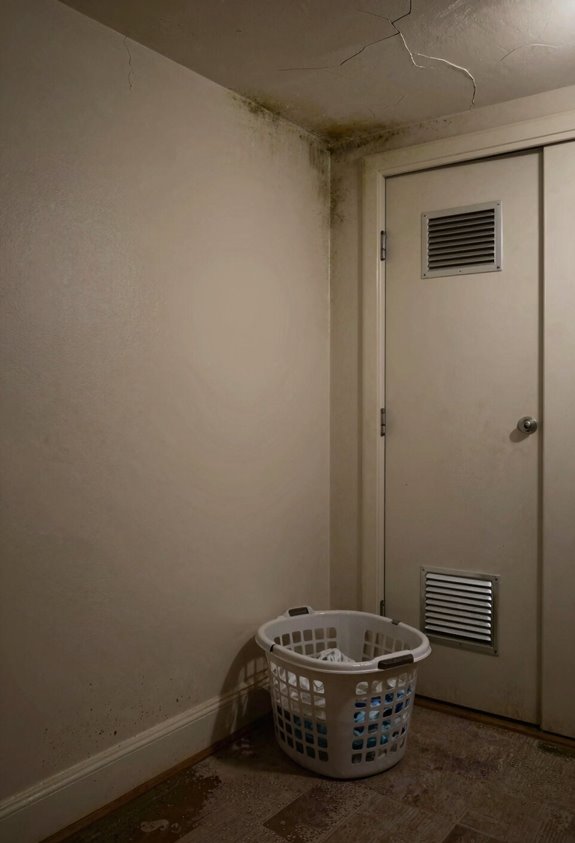
While fresh air helps, moisture hiding in places you can’t see is often the real reason your bedroom keeps smelling bad. Hidden mold and mildew thrive in damp spots behind furniture, under sinks, and inside vents, areas you rarely check.
You should inspect regularly for water leaks and moisture issues because they create persistent odor that no candle can mask. These steps address the root cause instead of covering up smells:
- Check vents, upholstery, and carpets for dampness
- Look under sinks and behind furniture monthly
- Use a dehumidifier near suspected problem areas
- Run an air purifier to trap mold spores
Once you stop ignoring hidden moisture, your bedroom will smell fresh.
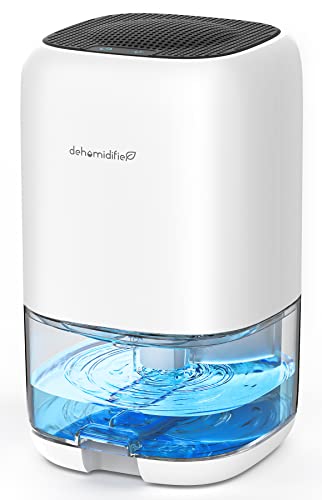
High Efficient Dehumidifiers for Home: Still annoyed about the muggy weather? Just Take it easy! have a try at TABYIK 35OZ Peltier dehumidifier, in a closed small room with humid environment of 86°F and 80% RH, it can collect a max of 16oz(450ml) of water in 24 hours, and with very low energy consumption (no more than 1-kilowatt hour a day).

Quiet & High-Efficiency Dehumidifier: Featuring next-generation semiconductor cooling technology, this quiet dehumidifier delivers efficient moisture removal while running at ultra-low noise (≤40dB). Stable humidity levels are maintained, making your home environment more comfortable and pleasantly dry.

SMALL & COMPACT: Our lightweight and portable dehumidifier for home is capable of removing up to 9 ounces of water per day with a 16-ounce water tank capacity. Ideal size bathroom dehumidifier for rooms of 1200-2200 cubic feet (215 sq ft).
Clean Carpets and Upholstery to Remove Trapped Odors
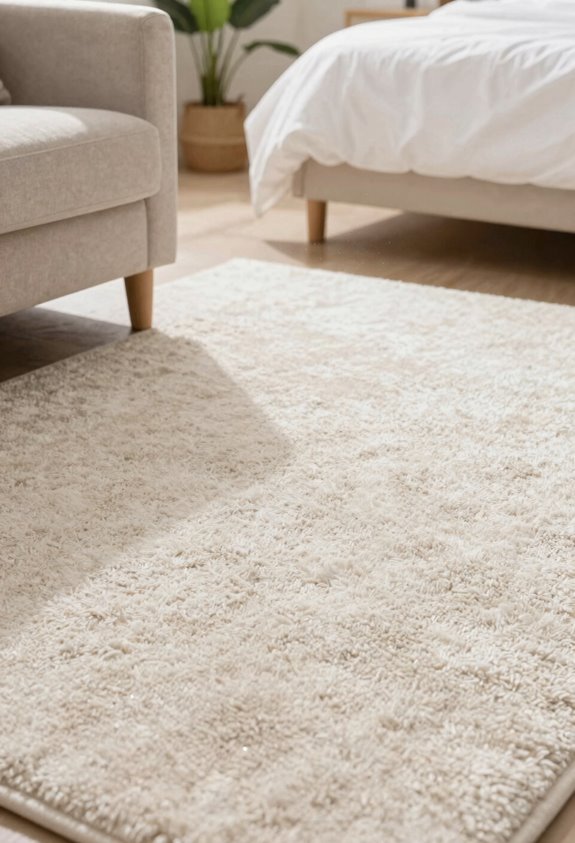
Carpets are basically odor sponges. The fibers trap smells from feet, spills, and dust, while padding underneath soaks up moisture and deep odors that linger for months.
Vacuuming several times weekly with a HEPA-filter machine makes a real difference. However, vacuuming alone won’t eliminate odors. Tackle stains and odors immediately by treating visible spots before they set in. Once yearly, schedule deep cleaning with dry steam to really penetrate those fibers.
Also wash nearby fabrics and upholstery regularly since they absorb odors too. Removing these textiles and cleaning them prevents musty smells from building up. These steps have transformed my bedroom from funky to fresh.

POWERFUL SUCTION FOR CARPET & HARD FLOORS: Clean carpets and hardwood floors with strong multi-surface suction. This lightweight upright vacuum cleaner lifts dirt, debris, and pet hair for a complete home clean.

POWERFINS HAIRPRO: Actively grips & captures stubborn long hair, short hair, and pet hair, on carpets & floors.

DUOCLEAN DETECT: The two-brushroll system with Intelli-Sense sensors automatically reacts and adapts brushroll speed for optimal performance.
Wash Stale Bedding and Fabrics to Eliminate Body Oil Buildup
Your mattress and pillows hold onto far more stale smells than your carpet. Bedding absorbs sweat, body oils, and dead skin cells every night. Washing bed sheets weekly, or every two weeks at minimum, prevents this accumulation.
Focus on these steps:
- Change bed sheets regularly to prevent odor buildup
- Wash pillowcases frequently since they collect facial oils and hair products
- Clean blankets and mattress covers to remove night sweat smells
- Use hot water wash to thoroughly eliminate odor-carrying oils and skin cells
Regular washing noticeably improves how your bedroom smells and feels. The difference in your sleep space becomes apparent within days of establishing this routine.

Certified Gentle & Safe Pet Carpet Cleaner Solution: Chlorine free, color safe, no hazardous propellants or residue; safe to use around pets and children; certified safe for all carpets with a Seal of Approval by the Carpet and Rug Institute (CRI)

Eliminates Stains, Odors & Residue: If it's gross, it's gone — blowouts, urine, vomit and other organic spills disappear, leaving a subtle Meyer lemon scent that quickly dissipates

Zep Urine Remover 128 Ounces Targets and Eliminates Urine Odors and Stains
Remove Dirty Laundry and Food Debris to Kill Odor-Causing Bacteria
Piles of sweaty clothes sitting on your floor or crammed in a corner are basically odor factories running 24/7. I learned this the hard way when my bedroom started smelling stale despite clean sheets. Dirty laundry emits constant odors because sweat, body oils, and odor-causing bacteria cling to fabrics. Synthetic textiles like polyester trap scents longer than natural fibers.
I air out damp items before tossing them in my laundry hamper. This simple step reduces fabric odor substantially. I also wash sheets and blankets weekly in hot water, which kills bacteria and removes accumulated skin cells. I don’t leave food debris around either; crumbs attract bacteria and worsen odor buildup. By removing dirty laundry promptly and maintaining clean textiles, I’ve stopped that musty smell from taking over my space.

𝐖𝐇𝐘 𝐂𝐇𝐎𝐎𝐒𝐄 𝐀𝐇𝐀𝐌 𝐕𝐄𝐑𝐈𝐅𝐈𝐃𝐄 𝐀𝐈𝐑 𝐏𝐔𝐑𝐈𝐅𝐈𝐄𝐑𝐒: AHAM (Association of Home Appliance Manufacturers) is an ANSI-accredited organization that sets strict standards for appliance performance. Air purifiers with the AHAM VERIFIDE seal have been independently tested for air cleaning performance and energy efficiency. When you choose an AHAM certified air purifier, you're choosing a product trusted for reliable and effective indoor air quality improvement

𝐀𝐇𝐀𝐌 𝐕𝐞𝐫𝐢𝐟𝐢𝐞𝐝 & 𝐇𝐢𝐠𝐡 𝐂𝐀𝐃𝐑 𝐕𝐚𝐥𝐮𝐞: Certified by the Association of Home Appliance Manufacturers, this air purifier provides reliable performance with a Smoke/Dust/PM2.5 CADR of 226 CFM (384 m³/h) and a Pollen CADR of 244 CFM (415 m³/h). AHAM certification guarantees effective, high-speed air purification for your home.

Home & Pet Odor Absorber: The Moso Natural bamboo charcoal air purifying bag works like a magnetic sponge, actively drawing odors out of the air instead of masking them with fragrance. Unscented and fragrance-free, it leaves no smell behind — just air that's genuinely fresher.