
I’ve leveled enough shed sites to know that skipping foundation prep causes settling and rot. Start by clearing debris and checking for standing water, then mark your footprint with stakes and string lines.
Next, remove topsoil and fill low spots with compacted gravel. Level everything using a string line, checking corners and the center.
Finally, set foundation blocks on pea gravel and verify they’re all even. These basics prevent structural damage and extend your shed’s lifespan significantly.
Step 1: Choose and Clear Your Shed Site
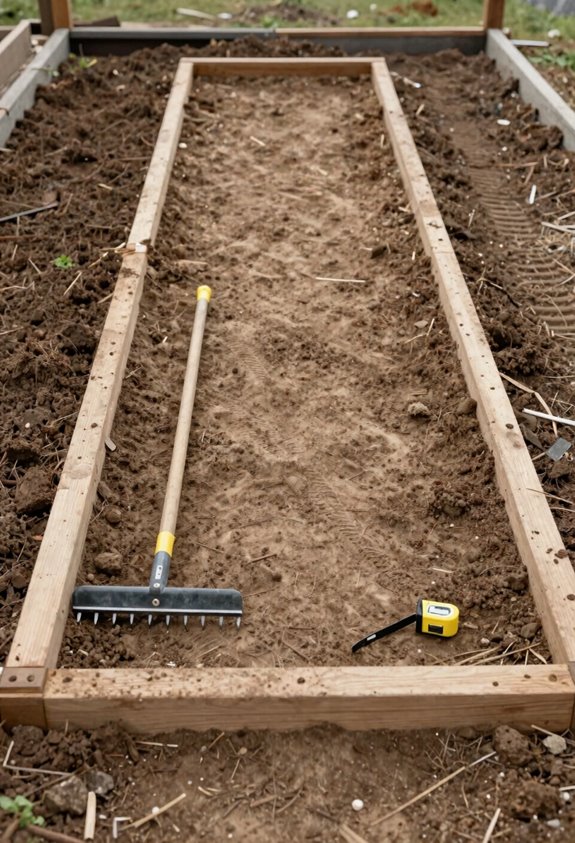
Where you place your shed affects its performance and longevity. Selecting the right shed site prevents structural problems later. First, scout for a flat surface, as uneven ground causes settling and damage over time. Next, clear the area completely by removing debris, rocks, and vegetation to create a stable foundation.
Check for moisture problems. Standing water compromises soil stability and reduces the shed’s lifespan. Maintain a clearance space of at least three feet around the shed for access and ventilation. If your footprint exceeds 160 square feet, increase this to four feet.
During excavation, level everything within six inches. This preparation ensures your shed sits securely and remains dry year-round. Proper site preparation prevents costly repairs.
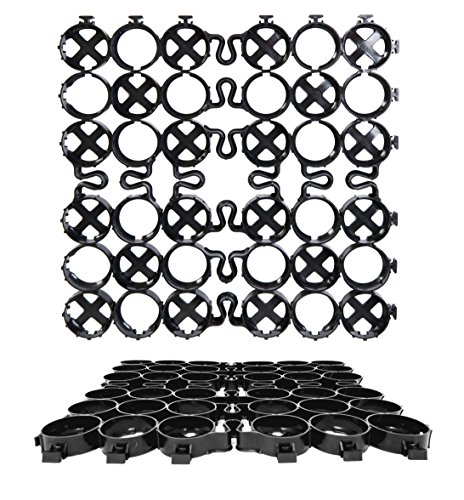
EASY TO USE: Our lightweight permeable pavers are easy for any level of DIYer to install; Feel proud of your own outdoor home improvements!

【Lightweight Yet Heavy-Duty PP Material】Crafted from premium composite PP material, each base weighs only 0.6 lbs—far than traditional concrete bases. It offers excellent corrosion resistance, oxidation resistance, and UV protection, making it ideal for long-term outdoor use. The lightweight design simplifies transportation and installation, significantly reducing labor costs and enabling rapid setup for terraces, walkways, and sheds.

Sturdy Ground Grid: Our geogrids are made of high-density polyethylene (HDPE), which has stable properties, is easy to stretch and deform, adapts to different soil and geological conditions, and can be used as a reliable foundation stabiliser
Step 2: Mark and Measure the Footprint
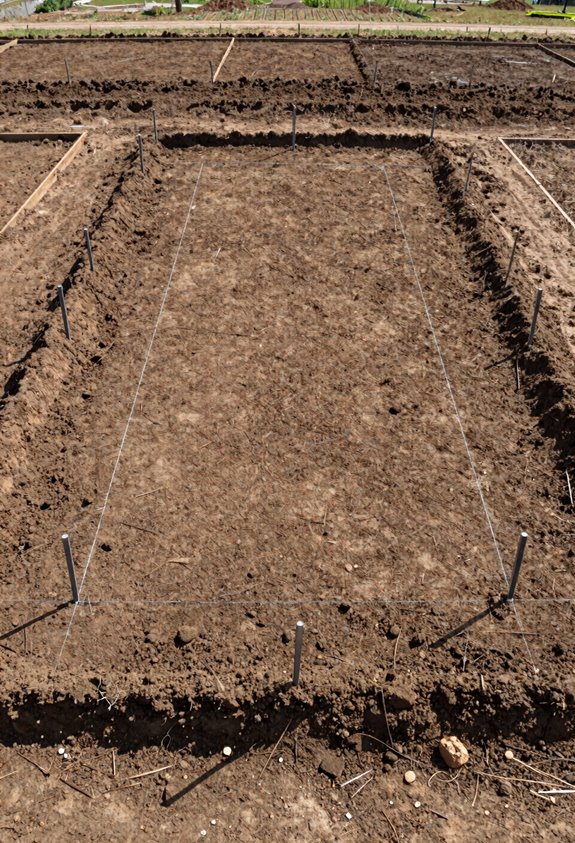
Accuracy is everything when you’re laying out your shed’s foundation. Start by placing stakes at each corner to mark your boundaries. Run a string line between opposite stakes to verify straight edges and true alignment. This step prevents alignment errors during construction.
Next, grab your tape measure and confirm all sides match your shed’s specified width and length. Measure the diagonals across opposite corners. If they’re equal, your footprint is square. If not, adjust those stakes until they match.
Finally, include extra surrounding space beyond the walls for ventilation and drainage. This buffer zone prevents moisture accumulation and allows air circulation around the structure. Proper spacing during layout eliminates costly adjustments during construction.

Solid Durble Ground Grid : The ground grid paver is made of HDPE material, tensile, which is supersonically welded for durability. Perfect for driveway installations on slopes and/or flat areas.
Solid Durble Ground Grid : The ground grid paver is made of HDPE material, tensile, which is supersonically welded for durability. Perfect for driveway installations on slopes and/or flat areas.

Solid Durble Ground Grid : The ground grid paver is made of HDPE material, tensile, which is supersonically welded for durability. Perfect for driveway installations on slopes and/or flat areas.
Step 3: Remove Topsoil and Fill Low Spots
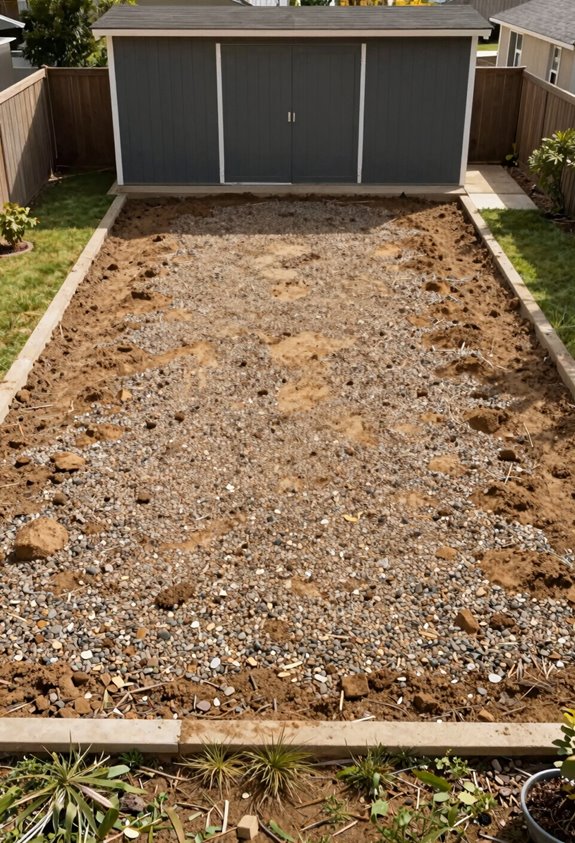
Why does the ground underneath matter so much? A solid foundation prevents future headaches with your shed. Here’s what I do:
- Remove topsoil to expose stable subsoil—this is your actual base
- Dig out any low spots and fill them with gravel or compacted fill
- Use a string line or laser level to verify everything’s flat
- Recheck depths around corners and door openings to prevent sagging
After filling low spots, I compact everything with a hand tamper or plate compactor. This minimizes settling and keeps your level ground stable long-term. I also recheck depths around corners because that’s where problems develop. A uniform surface now means your shed sits perfectly for years without shifting or misalignment issues.

Premium Quality: This pavers plate tamper pad is crafted from high-quality materials that offer exceptional strength and wear resistance, ensuring that your pavers are more efficient, stable, quiet, and durable during the tamping process

Reinforced Material: plate compactor pad is constructed from a high density reinforced rubber composite; This material delivers consistent performance under repeated compression from heavy machinery; It maintains structural integrity during extended apply on job sites with abrasive surfaces; The composition provides resistance to tearing and wear over time; The product includes 1 rubber sheet, 2 galvanized plate clamps, and several screws

Built for Multiple Applications - Perfect for driveways, sidewalks, patios, paver installations, retaining walls, trench backfill, landscaping, and foundation preparation. Designed for homeowners, contractors, and construction professionals.
Step 4: Compact and Level the Base
How do you make sure your foundation won’t settle unevenly later? Compacting your base properly is essential. After spreading gravel and fill material, use a hand tamper and work methodically across the entire area. Thorough compacting prevents future settling issues.
Next, recheck with your level at the corners and center, looking for any uneven ground. One or two soft spots can cause significant problems down the road. If you spot inconsistencies, add more gravel and compact again until your level readings stay consistent everywhere.
Finally, document your measurements at each corner and center point. This record guides your foundation blocks placement accurately, ensuring your shed remains stable and level.

★ DUAL MODES & SELF-LEVELING ★ The cross line laser with slide switch enable you to set 2 modes, self-leveling mode and manual mode. When working in self-leveling mode, the range of leveling and compensation is 4°± 1°and the laser level will automatically level for horizontal/vertical/cross line, otherwise the laser will flash to indicate thr out-of-level condition. In manual mode, the self-leveling function is deactivated and the cross is locked to use the device at any angle.

PREXISO Square Laser: 30Ft Red Beam Floor Laser Level, Tile Laser Line Projection, 90° Layout Guide Magnetic Level Square Built-in 2 Bubble Vials, with Leveling Plate, 2 AA Batteries
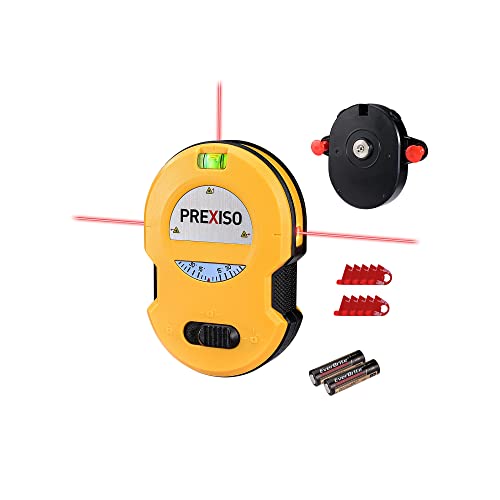
NOTE: This product is not a stud finder or a magnetic nail finder
Step 5: Add Foundation Blocks (If Needed)
Once your base is compacted solid and level, you’re ready to set foundation blocks if your shed needs them. Masonry blocks create stable footing supports that prevent your shed from settling unevenly over time.
- Place blocks on the pea gravel at corners and midpoints along the shed’s length
- Use a spirit level to check each block, adjusting with a hammer or rubber mallet
- Verify all block surfaces are level with each other
- Recheck after installation to confirm your level surface hasn’t shifted
Proper installation ensures your shed sits on a sturdy, stable platform that will last for years. Uneven footing causes structural problems that are costly to repair.

Complete Landscape & construction string line kit: The string level line kit includes 1 Pack of orange construction string, 5 string levels, and 20 garden stakes. The Mason line features a handle for easy grip and use, and you can easily refill the spool at any time. This all in one kit is designed to meet your immediate needs for various projects. Whether you're starting a new garden or building a fence, this set can help you align, measure, and mark locations for installations

ABS plastic body is durable, lightweight, and resistant to wear.

Product: Hanging line level string levels, red color.