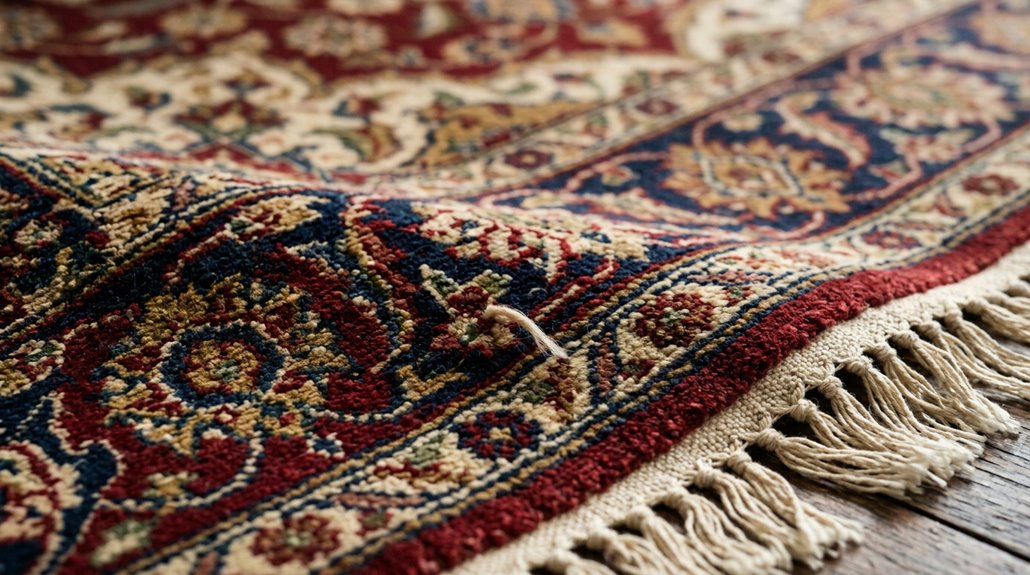
Rug prices reflect months of hand-knotting labor, premium materials like wool and silk, and craftsmanship that outlasts cheaper alternatives by decades. A single 9×12 rug demands up to 1.5 million knots tied by skilled artisans. Natural dyes cost more but fade slower. Where it’s made matters too; Persian and Caucasian pieces command higher prices than machine-made options. These factors directly determine the final cost.
Why Wool and Silk Command Premium Prices
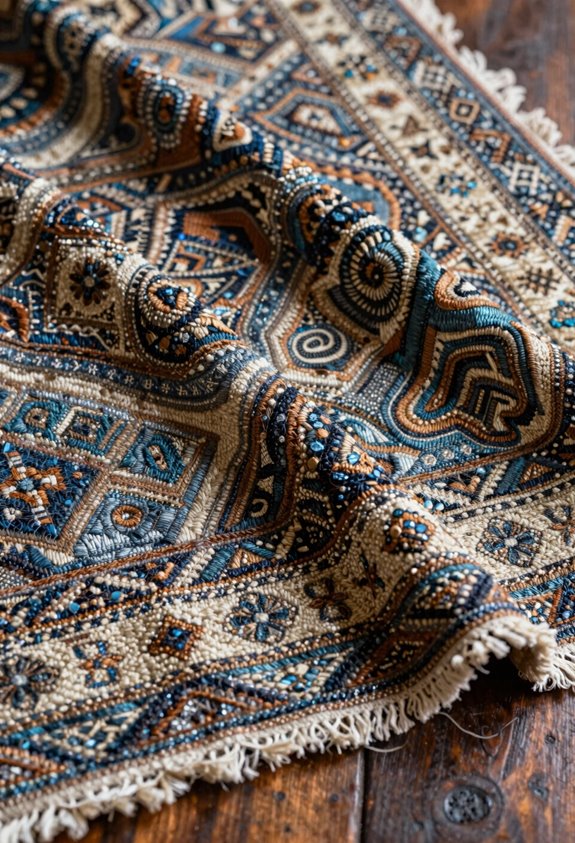
Wool and silk command premium prices for good reasons. Wool’s natural lanolin makes it stain-resistant and keeps colors vibrant for decades. Quality wool rugs outlast cheaper alternatives by years. Silk takes luxury further, spun incredibly fine and dyed beautifully, creating that luxurious sheen that justifies higher costs.
Natural materials like wool and silk offer durability and aesthetic appeal that synthetics cannot match. While you’ll pay more upfront, these rugs become long-term investments due to their superior longevity and appearance retention compared to synthetic alternatives.

Material: 80% Wool, 20% Cotton, Made by skilled artisans in India

[COLOR & PATTERN]: SAFAVIEH's Lyndhurst rug features a rich black field that showcases intricate floral motifs and multicolor accents, while a contrasting ivory floral border adds timeless character; color may vary with room lighting.
What Hand-Knotting Really Costs You
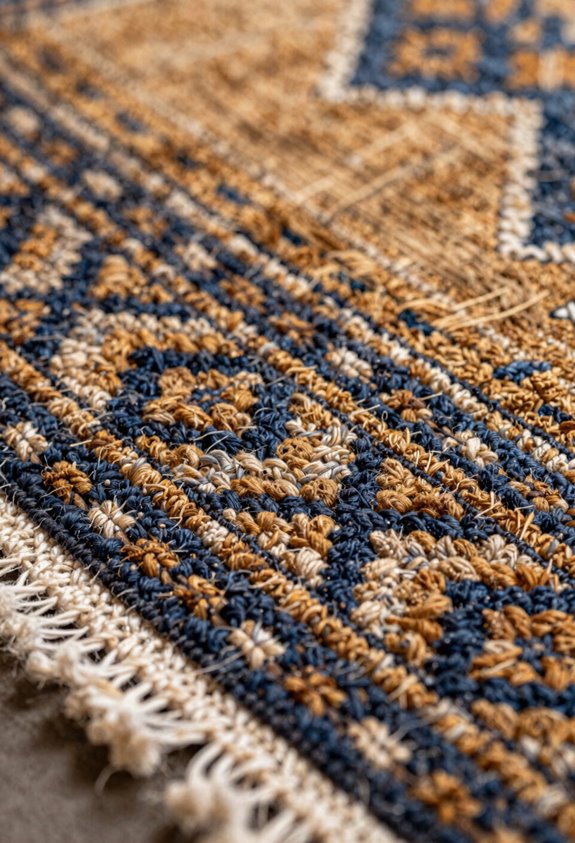
When I first learned that a single 9×12 rug can require up to 1.5 million individual knots, I understood why these pieces cost so much. A skilled artisan might spend a year tying each one by hand. You’re essentially paying for months of dedicated labor from someone who’s spent years perfecting their craft, and that expertise directly translates to the final price tag. The higher the knot density, the longer the work takes, which increases the cost significantly. However, you’re getting durability that machine-made rugs simply can’t match.

The handmade, hand-knotted construction adds durability to this rug, ensuring it will be a favorite for many years

The handmade, hand-knotted construction adds durability to this rug, ensuring it will be a favorite for many years

Labor-Intensive Knot Tying
How many knots do you think go into a single rug? A 9×12 hand-knotted rug contains up to 1.5 million knots. Each one’s tied individually by skilled artisans, which explains why these pieces take months or even a year to complete.
What makes knot tying so labor-intensive:
- Artisans tie thousands of knots daily by hand
- Higher knots per square inch means exponentially longer production time
- Each knot requires precision and expertise
When I examined hand-knotted rugs up close, I understood the cost. The sheer number of knots, combined with the skill required, creates genuine value. You’re not paying for a product; you’re paying for months of dedicated craftsmanship that transforms raw materials into heirloom pieces.
Skilled Artisan Time Investment
Now you know the knots are there—lots of them. The artisan’s time is what drives up that price tag. Skilled craftspeople work in a painstaking manner. A single 9×12 rug demands up to 1.5 million knots tied by hand. That’s months, sometimes a year, of dedicated labor. Higher knot density means finer, more detailed patterns, but it also means slower work and bigger labor costs. The craftsmanship behind each knot determines durability and beauty. You’re not just paying for materials; you’re investing in someone’s expertise and countless hours of meticulous work. Hand-knotting remains the most expensive construction method available because of the labor intensity required.
Why Denser Knots Mean Higher Prices
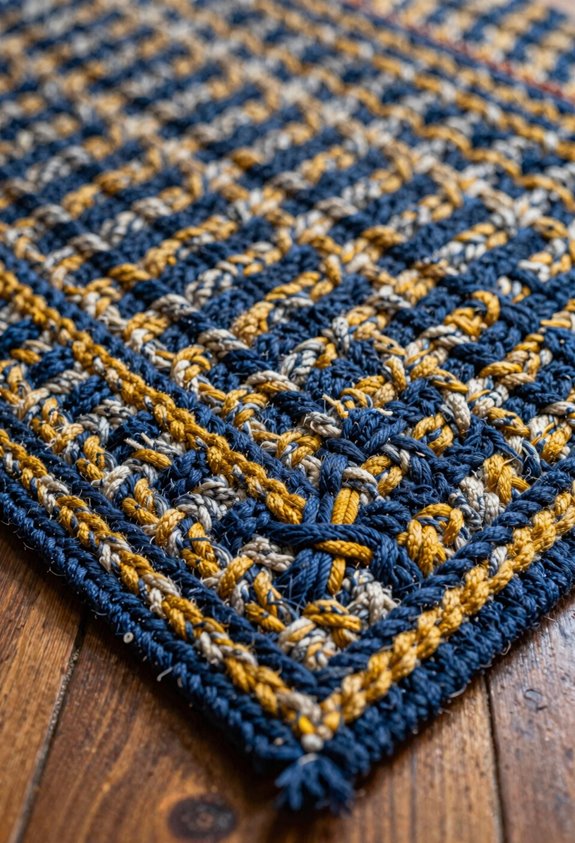
Denser knots mean higher prices because of the direct relationship between knot density and production requirements.
Some rugs cost thousands of dollars while others seem affordable due to knots per square inch. Knot density tells the real story about rug quality and value.
High-quality rugs with denser knots require serious craftsmanship and time investment.
What matters most:
- Time investment: Dense hand-knotted rugs take months or years to complete
- Skill required: Artisans need advanced training to tie thousands of tiny knots accurately
- Better durability: More knots per square inch create stronger, longer-lasting rugs
Higher knot density produces superior wear resistance and enables intricate designs. The craftsmanship involved in creating these detailed patterns justifies premium pricing. You pay for durability, artistry, and countless hours of skilled labor. A densely knotted rug is a piece built to last generations.

Design: An intricate botanical damask field balances classical vine work with traditional textile character. Tone shifts with light and screen, and the pile has a light side and a dark side - face the side you prefer toward the main entry

The handmade, hand-tufted construction adds durability to this rug, ensuring it will be a favorite for many years.
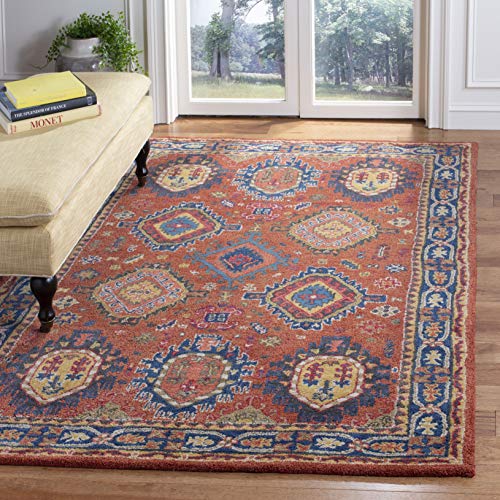
Design: Geometric tribal cartouches and stepped diamond emblems bring formal folk-art balance to an open architectural field. Color reads a little warmer or cooler in your light than on screen
Geography and Craftsmanship: How Origin Shapes Cost
Where a rug comes from matters just as much as how it’s made, because different regions have their own labor costs, weaving traditions, and skill levels that all affect the price tag. When shopping for rugs, Persian and Caucasian pieces cost significantly more than Chinese machine-made ones, primarily because weavers in those areas have generations of expertise and higher wages. You’re essentially paying for the region’s heritage, the craftsperson’s training, and the time they’ve invested learning specialized techniques that machines simply can’t replicate.

Luxurious Craftsmanship: Expertly hand-knotted by skilled artisans, each Rida Handloom rug epitomizes timeless elegance and quality craftsmanship.

Design: A natural pebbled surface pairs thick looped texture with the grounded restraint of contemporary textile design. This colorway sets the pattern in ivory on a beige ground. Screens and daylight each render the tone slightly differently

100% HAND KNOTTED WOOL: Crafted by skilled artisans using traditional knotting techniques, this heirloom-quality rug offers exceptional durability, rich texture, and intricate detailing.
Labor Costs By Region
Where your rug comes from makes a significant difference in what you’ll pay for it. Labor costs vary dramatically across countries, and this directly affects pricing.
When shopping for rugs, these regional patterns emerge:
- Iran, the Caucasus, and Morocco charge more because weavers use traditional techniques passed down through generations
- China produces affordable rugs through machine-making and lower labor costs, which means less hand-crafting
- Nepal and Tibetan techniques require specialized skills, increasing the final price
The country of origin shapes everything about cost. Regional craftsmanship standards differ widely, and labor conditions vary too. Understanding these differences reveals why handmade pieces from skilled-labor regions command higher prices. The price reflects both the materials and the expertise of the artisans who create them.
Traditional Weaving Heritage
Beyond just where a rug gets made, the real story behind its cost lies in generations of weaving knowledge. Regions like Iran, the Caucasus, and Morocco charge more because their craftsmanship runs deep. These communities have perfected the art of rug-making over centuries.
| Region | Heritage | Technique | Value Impact |
|---|---|---|---|
| Iran | Ancient Persian traditions | Hand-knotted mastery | Premium pricing |
| Caucasus | Mountain wool expertise | Senneh knots | High investment |
| Morocco | Generational knowledge | Tribal patterns | Cultural significance |
| China | Modern production | Machine-made | Lower cost |
Origin shapes everything about a rug’s value and price. The traditional weaving methods these artisans use are not shortcuts. They represent authentic craftsmanship passed down through families across generations.
Skill Level And Expertise
When I first started learning about rug pricing, I realized that the weaver’s skill matters just as much as where the rug comes from. Hand-knotted rugs cost more because skilled artisans spend months or years perfecting their craft. These weavers command higher wages, and their labor costs reflect years of training.
Origin deeply impacts price because different countries have different wage standards:
- Iranian weavers produce some of the world’s most expensive rugs due to generations of expertise
- Nepalese artisans create intricate Tibetan Loop Senneh knots that require specialized knowledge
- Chinese machine-made rugs cost less since they rely less on human craftsmanship
Understanding the connection between skill, origin, and labor costs explains rug pricing differences across markets.
Pattern Complexity: The Hidden Labor Cost
How much work goes into a single rug? Pattern complexity is where costs really hide. When I examined hand-knotted rugs, I noticed the intricate designs demand thousands of knots per square inch. That knot density directly multiplies labor hours. A simple geometric pattern takes weeks, but an ornate Persian design takes months.
Skilled artisans must plan every detail before starting. They’re not just following a template; they’re interpreting complex motifs that require precision at every knot. More detailed patterns mean more potential mistakes and more concentration required.
These dense, detailed patterns last longer and retain colors better. The labor cost directly correlates to increased durability and color retention over time.

[WEAVE / CONSTRUCTION] Handmade by skilled artisans proficient in the art of rug weaving, who invest countless hours in perfecting this artistic area rug. Hand-knotted loom rugs are crafted using traditional hand loom machines, offering a versatile style that complements both contemporary and conventional living spaces. The price is quite rational for the buyers along with minimal maintenance and the quality of manufacturing is high.

AUTHENTIC CRAFTSMANSHIP: Hand-knotted by Mrirt artisans in Middle Atlas, Khenifra-Mrirt area

AUTHENTIC CRAFTSMANSHIP: Hand-knotted by Beni Ourain artisans in Middle Atlas, Sefrou-Boulemane corridor
Why Rug Size Drives the Final Bill
While pattern complexity determines how much work goes into each knot, rug size determines how many knots you’re actually paying for. Pricing a large Persian rug reveals the significant cost impact of size.
Here’s what drives that price up:
- More material needed – Larger rugs require substantially more fiber and dyes, increasing raw material expenses
- Extended production time – Hand-knotted rugs take longer to complete, meaning higher labor costs
- Scaled effort – Every square foot adds proportional work, from dyeing to weaving to finishing
When you calculate the cost per square foot, size becomes a critical factor. A modest 5×8 rug costs less than a 9×12 because you’re purchasing more actual rug. Plan your dimensions carefully before buying to avoid overspending on space you don’t need.

[DURABLE HANDMADE CONSTRUCTION]: Hand-woven by skilled artisans for a truly unique textured look and feel

[COLOR & PATTERN]: SAFAVIEH's Natura rug features a chunky handwoven texture blending soft grey with subtle ivory undertones for a light, neutral look. Handwoven, so no two rugs are exactly alike; tone may vary depending on light and screen.

Designer Area Rug Aesthetic: The stylish pieces from the Layla collection blend traditional and modern design. These rugs mix traditional, Moroccan, boho styles with fresh materials and distressed patterns
Natural Dyes vs. Synthetic: Which Costs More?
When I started shopping for quality rugs, I noticed that natural dyes cost substantially more upfront because they require harvesting plants or minerals and involve labor-intensive processing. They develop beautiful, unique colors as they age. Synthetic dyes are cheaper since manufacturers can mass-produce consistent colors quickly and with less work, which is why budget-friendly rugs often use them. While synthetic-dyed rugs save money initially, natural-dyed rugs may need special cleaning care that adds to long-term costs. Their rich hues and durability often justify the higher initial investment.

The handmade, hand knotted construction adds durability to this rug, ensuring it will be a favorite for many years
The handmade, hand-knotted construction adds durability to this rug, ensuring it will be a favorite for many years.

Each rug is expertly hand-knotted to ensure unmatched beauty and softness
Natural Dye Cost Factors
Why do some rugs cost thousands more than others that look similar? Natural dyes create the difference. Expensive rugs use natural dyes, and that choice drives up costs considerably.
Natural dyes are pricey for specific reasons:
- Extraction and preparation take weeks, requiring skilled artisans who know exactly how to process plant and insect sources
- Production time stretches longer because achieving consistent colors demands careful handling and patience
- Superior quality means better lightfastness, so colors stay vibrant for decades without fading
Synthetic dyes cost less because factories mass-produce them quickly. Natural dyes offer richer hues and heritage value that justify the expense. When choosing a rug, understanding these cost factors explains why handcrafted pieces command premium prices.
Synthetic Dye Trade-offs
Synthetic dyes take the opposite approach to natural ones, offering significant cost savings. Factories produce them quickly and cheaply, allowing manufacturers to create machine-made rugs affordably because synthetic dyes work rapidly. You’ll pay considerably less upfront, which appeals to most budgets.
However, these rugs fade faster. Their colorfastness doesn’t match natural dyes; colors become dull and washed out after a few years. Synthetic-dyed pieces lose vibrancy noticeably over time.
The trade-off is straightforward. You save money initially but sacrifice longevity. Synthetic dyes make rugs accessible and budget-friendly, yet you’ll need to replace them sooner. Natural dyes provide durability lasting decades. Synthetic dyes work fine if you need affordability now.
Fair Labor and Ethical Production: The Price Premium
The craftspeople who weave rugs deserve to be paid fairly for their work, and that responsibility shows up directly in your final bill.
Fair labor practices increase production costs. Artisans need livable wages, safe working conditions, and reasonable hours. Certifications confirming ethical production require auditing and compliance oversight. These investments are essential, not wasteful.
What paying more for ethical rugs provides:
- Fair pay: Weavers earn wages that reflect their skill
- Supply chain transparency: You know where your rug comes from
- Safe workplaces: No exploitation or environmental harm
Purchasing ethical rugs supports honest practices and traceable production.

[DESIGN & PILE]: SAFAVIEH's Heritage rug spreads a Persian allover pattern in red across black, and its soft 1/2" pile is dense and even underfoot in a living room, dining room or bedroom.

The handmade, hand-tufted construction adds durability to this rug, ensuring it will be a favorite for many years.

The handmade, hand-tufted construction adds durability to this rug, ensuring it will be a favorite for many years.
Hand-Tufted vs. Machine-Made: Where Real Value Lives
How you make a rug matters because construction method directly determines lifespan. Hand-tufted rugs use a tufting gun, making them faster and cheaper than hand-knotted options. Machine-made rugs cost the least but wear out quickest.
| Method | Cost | Durability | Production Time |
|---|---|---|---|
| Hand-knotted | Highest | Decades | Months/Years |
| Hand-tufted | Mid-range | 10-15 years | Weeks |
| Machine-made | Lowest | 3-5 years | Days |
Construction method drives real value. Hand-tufted rugs offer the balance between quality craftsmanship and affordability, lasting 10-15 years with proper care. Machine-made rugs suit temporary spaces or low-traffic areas since they typically deteriorate within 3-5 years. Hand-knotted rugs represent the longest investment, lasting decades but requiring significant upfront cost and production time.

Material: 80% Wool, 20% Cotton, Made by skilled artisans in India

[COLOR & DESIGN]: SAFAVIEH's Natura area rug features a hand-woven, subtly textured geometric pattern in blue tones; actual color may appear darker or lighter than shown, depending on lighting and screen settings.
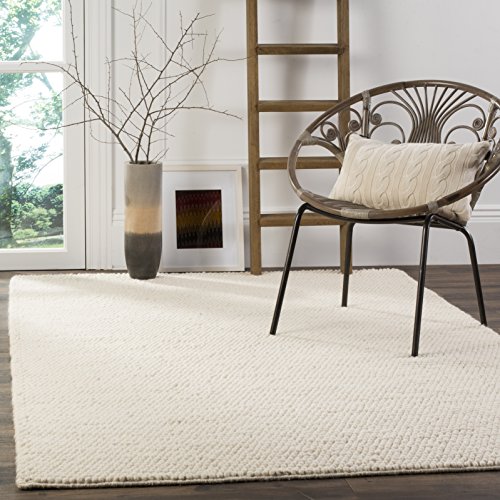
[COLOR & PATTERN]: SAFAVIEH's Natura rug features a chunky handwoven texture blending ivory with cream undertones for a clean, tonal look. Handwoven, so no two rugs are exactly alike; tone may vary depending on light and screen.
Red Flags That Signal Inflated Rug Prices
When shopping for rugs, spotting overpriced ones takes practice. Several warning signs indicate inflated prices.
Watch out for these red flags:
- Handmade claims with machine-like perfection: Suspiciously uniform knots suggest machines did the work, not skilled craftspeople
- Vague country-of-origin details: Unclear sourcing can hide cheaper manufacturing regions
- Missing ethical sourcing information: No certifications for fair labor or natural dyes often indicate hidden problems
Question claims about knot density without verifiable proof. When sellers won’t share specific measurements or certifications, skepticism is warranted. Extremely low prices for complex designs usually indicate synthetic materials or shortcuts in craftsmanship. These details separate genuine value from marketing hype.
The Investment Mindset: Why Expensive Rugs Last Decades
Why’d I hold onto that cheap rug for only three years before it fell apart. I learned the hard way that investing in quality matters. Hand-knotted rugs with natural fibers cost more upfront, but they reward you with decades of durability. I watched mine maintain its colors and resist stains year after year, while cheaper versions wore thin and faded fast. Premium wool and silk actually get better with age when you care for them properly. Regular vacuuming, occasional rotation, and professional cleaning keep expensive rugs performing. That initial investment spreads across decades, making the yearly cost surprisingly reasonable. When I finally do the math, my hand-knotted rug costs pennies daily compared to replacing cheaper versions repeatedly.