I’ve found that standard sliding glass patio doors run $1,200 to $2,500 installed, but your actual bill depends heavily on location, materials, and whether you need frame repairs.
Vinyl doors cost less upfront than fiberglass, yet labor often eats 20–60% of your total.
Regional differences matter too; coastal Florida runs cheaper than California installations.
Most homeowners miss hidden costs like permits and disposal fees, which adds another $100–$300.
Understanding what actually drives your price is essential to controlling your final cost.
What Sliding Glass Doors Cost in 2026
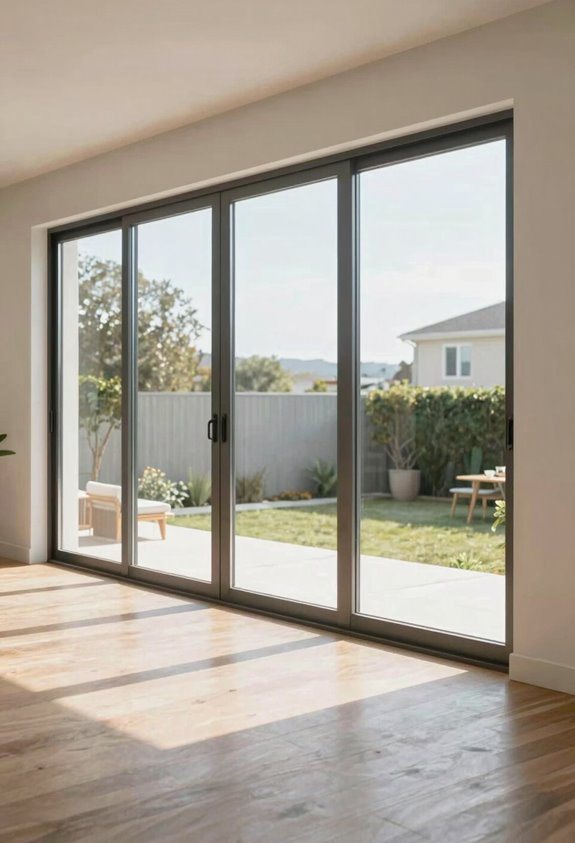
How much should you actually budget for new sliding glass patio doors? National pricing typically ranges from $1,200 to $2,500 when you include both the door and installation. Your sliding door cost breaks down into two main parts: the material itself and labor.
Material options matter significantly. Vinyl doors are the most affordable at $600–$1,200, while aluminum runs $600–$2,000, and fiberglass costs $1,000–$3,000+. Installation labor usually accounts for 20%–60% of your total price, with basic work running $300–$700 and complex projects reaching $500–$1,500+.
Premium features like triple-pane glazing and Low-E coatings push costs higher. Your location also affects pricing; coastal areas and the West Coast typically charge more than other regions.

TRUE SIZE 78" W x 84" H – Finished blind size with a 78" headrail/track width; choose inside or outside mount based on how much overlap you want.

REPLACE OLD OR BROKEN DOOR LOCKS – When your sliding door mortise lock is broken or old, don’t replace the door entirely, just get a new mortise door lock

Used by a variety of sliding screen door manufacturers
How Material Choice Shapes Installation Cost
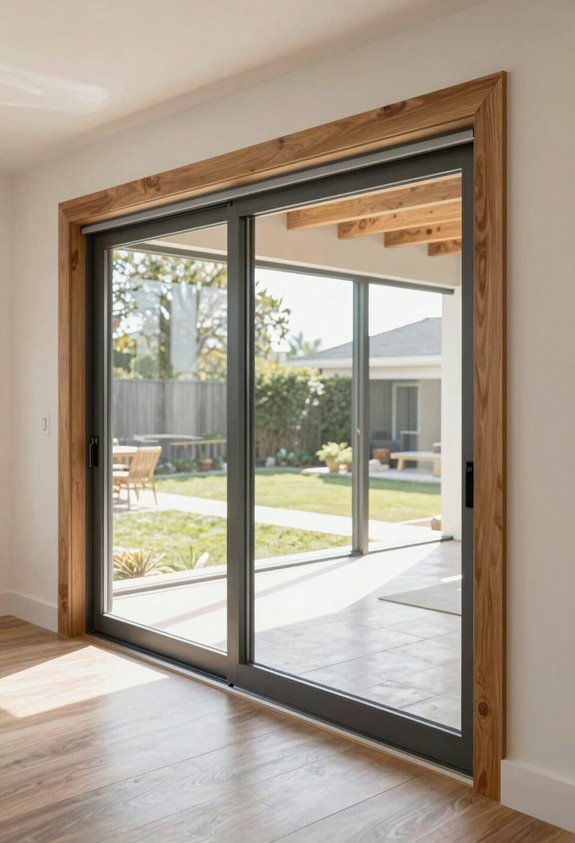
Why does picking vinyl over fiberglass matter more than you’d think? Your material choice directly impacts installation costs beyond the door’s sticker price.
- Vinyl doors ($600–$1,200) require simpler installation, keeping labor costs down
- Fiberglass doors ($1,000–$3,000+) often need specialized handling, raising installation expenses
- Additional features like Low-E coatings or triple-pane glass add hundreds more regardless of base material
The cheapest door isn’t always the best deal. Vinyl offers solid energy savings without breaking the bank on installation. Fiberglass costs more upfront and during setup, but lasts longer with less maintenance. When you compare total expenses, door plus labor, material choice significantly affects your final bill. Installation complexity matters as much as material prices when calculating your true investment.

【Fits Door Sizes 36"x82"】 The SIZE 36x82" label on the inner fabric of the magnetic screen door means it is Fit for 36x82 inch doors. Screen Door Actual Measurement is Width 38" Height 83".Versatile application for various doorways, including front doors, patio doors, and sliding doors. Fits for homes, offices, and even recreational vehicles (RVs) .
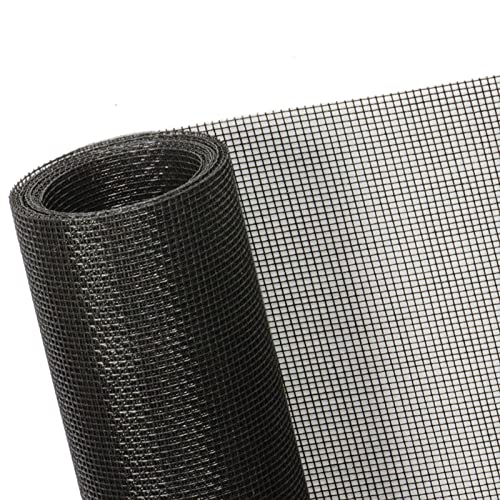
STRONG and LONG LASTING WINDOW SCREEN: Made from durable fiberglass mesh, this window screen is engineered for strength and stability. With a radial strength of over 320N/inch and a solid mesh weight above 110g/m², it stands up to everyday use and keeps its shape for years to come.

Upgraded PET Material: This PET magnetic screen door is specially designed for pets, stronger than polyester and fiberglass mesh, can resist any pet's scratching and biting, will not break, and has denser mesh to prevent any insects from entering
Sliding Doors vs. French: The Cost and Style Trade-off
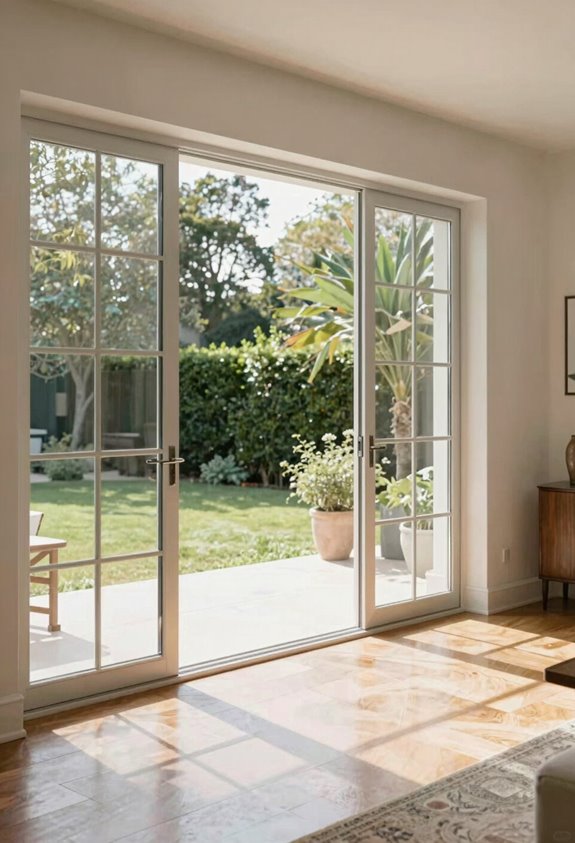
When I compared sliding and French patio doors for my own house, I realized the choice isn’t just about what looks better. It’s about what fits your budget and space.
| Feature | Sliding Doors | French Doors |
|---|---|---|
| Installation Cost | $600–$4,000 | $1,000–$5,500 |
| Mid-Range Price | $1,200–$2,500 | Often Higher |
| Operation Type | Side-to-side glide | Swing outward |
| Space Requirements | Minimal clearance | Needs swing room |
| Opening Width | Standard | Wider access |
Sliding doors won my vote for tight spaces and budget consciousness. They’re cheaper and don’t demand extra room to open. French doors, though pricier, deliver an elegant aesthetic and wider opening if that matters to your layout. The installation cost gap exists because French doors need more framing and hardware.
Consider your hallway width and budget before deciding. Both options serve you well; it’s just about matching your actual needs.

REPLACEMENT DOOR KEEPER: This sliding door keeper is used by W and F and a variety of other sliding patio door manufacturers

☛【 COST EFFECTIVE TO REPLACE OLD OR BROKEN DOOR HANDLES】: When your door handle is broken, old or unsightly, don’t replace the door entirely, just get a new sliding patio door handle set! Our replacement patio door handle + mortise patio door / sliding door lock set is the most economical and useful you can find.

☛【 COST EFFECTIVE TO REPLACE OLD OR BROKEN DOOR HANDLES】: When your door handle is broken, old or unsightly, don’t replace the door entirely, just get a new sliding patio door handle set! Our replacement patio door handle + mortise patio door / sliding door lock set is the most economical and useful you can find.
Labor Costs: Breaking Down the Installation Bill
Labor represents the largest portion of your installation expenses. The door itself typically accounts for only half the total cost. Installation costs break down as follows:
- Basic swaps: $300–$700 for straightforward door replacements
- Complex work: $500–$1,500+ for framing, resizing, or structural changes
- Disposal fees: $100–$300 to haul away your old door
Labor typically runs 20–60% of your total patio door replacement price. Permit requirements and local code checks add to your expenses depending on your location and project scope. DIY installation may appear cost-effective, but it carries significant risks. Professional installation prevents errors, maintains warranty coverage, and ensures the work meets building codes.
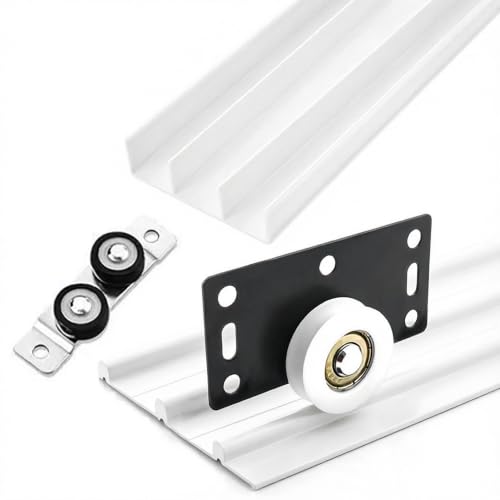
Rollers: Ensure smooth, quiet operation and feature vertical adjustment (±3mm) for perfect alignment.
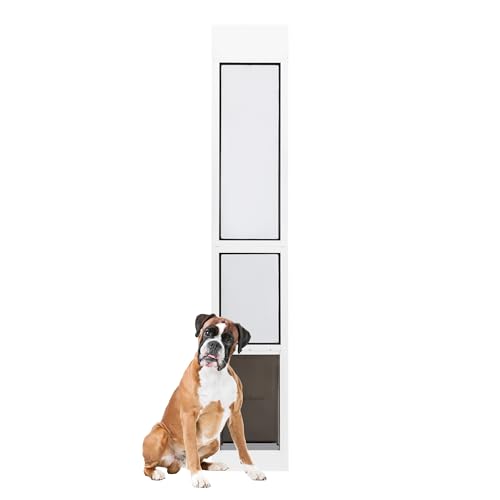
Energy Efficient: This energy-efficient sliding glass pet door has dual-paned glass, weather stripping and 3 insulating pet door flaps to keep the weather out and help optimize your energy bill
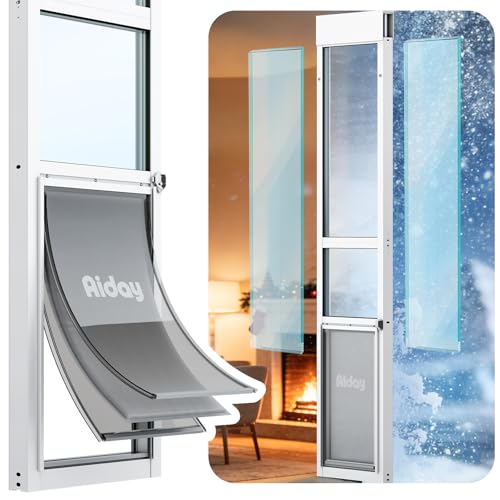
Ultimate Extreme Weather Insulation: Don’t let cold drafts in. The AIDAY X-large dog door for sliding glass door features double-pane tempered glass combined with a heavy-duty triple-flap system. This creates a powerful thermal barrier that blocks freezing winds, prevents frost buildup, and keeps your energy costs down, even in the harshest winters.
Door Size and Custom Features: The Price Impact
I’ve found that the size and features you choose for your sliding glass patio door significantly affect the final price. Standard 72-by-80-inch doors cost less because manufacturers produce them in high volume. If you need something wider or taller, you’ll pay extra for materials and labor. Add-ons like triple-pane glass, special coatings, or built-in blinds increase your total cost substantially. Decide upfront which features fit your budget priorities.

REPLACEMENT DOOR KEEPER – This sliding door keeper is used by Viking and similar style manufacturers; it fits the Micron 1200 series Viking doors

6-Piece Kit for Instant Repairs: Never pay for costly window screen replacement again with our complete 6-piece screen repair kit featuring 48"x118" charcoal fiberglass mesh, 32.8ft spline, screen roller, spline hook, tape measure, and safety cutter – everything needed for quick DIY fixes on windows, sliding doors, or patios in minutes

Used by a variety of metal and vinyl framed sliding patio door manufacturers
Standard Dimensions And Pricing
How much extra are you actually paying when you pick a bigger door or add fancy features. Standard dimensions and installation cost are closely linked, and these factors matter most:
- Standard 72 x 80 doors run $1,200–$2,500 installed, making them the budget-friendly choice
- Larger 8 x 8 frameless options jump to $4,086–$6,304, depending on your material pick
- Premium upgrades like triple-pane or Low-E glass push costs past $4,000 alone
Labor typically adds 20–60% to your total bill. Sticking with standard dimensions keeps costs down if budget is your priority. Sliding glass doors with premium upgrades will last decades and justify the higher investment. Installation quality directly impacts durability and performance, so budget appropriately for professional installation.
Custom Sizing Cost Premiums
Custom sizing and premium frames drive costs significantly higher than standard options.
When you step outside standard 72 x 80 dimensions, pricing climbs substantially. Custom sizing requirements and premium frame materials represent the primary cost drivers in door selection.
| Door Type | Size | Price |
|---|---|---|
| Frameless Aluminum (Double-Glazed) | 8 ft x 8 ft | $6,596 |
| Aluminum Lift & Slide | 8 ft x 8 ft | $6,304 |
| uPVC Sliding (Double-Glazed) | 8 ft x 8 ft | $4,086 |
An 8 x 8 frameless option with triple-glazing costs approximately $10,600. Non-standard sizes like 9 x 7’6″ balcony doors with tilt and turn features range from $2,050 to $2,400 depending on glazing specifications. Custom sizing and premium frames are not optional upgrades; they constitute the actual pricing structure for any configuration beyond basic dimensions.
Feature Additions And Upgrades
Beyond picking your basic door type, the real cost increases come from all the extras you can add. Most of them make sense once you understand what they do.
When shopping for door upgrades, feature additions significantly impact your budget. Here’s what drives costs up:
- Triple-pane glass and Low-E coating boost energy efficiency but add $300–$600
- Internal blinds and decorative grilles run $200–$400 for aesthetic appeal
- Security upgrades like reinforced locks cost $150–$300 extra
Your frame material choice matters too. Vinyl stays affordable, while fiberglass and wood-clad options cost more but look premium. Selecting just two upgrades instead of five keeps your budget realistic without sacrificing quality or style.
Disposal, Permits, Frame Repairs: The Surprise Costs
While I was planning my own patio door replacement, I discovered that the price quote I’d received didn’t include several expenses that would appear during installation. Disposal fees alone cost me $100 to $300 for removing my old doors. Then came permits. I didn’t expect those, but my area required them, and regional variations meant costs varied significantly. I also needed frame repairs that ran $150 to $250 because my existing frame had damage. Beyond these major surprises, I found hidden costs for weatherproofing, trim, and flashing that contractors hadn’t mentioned upfront. Cleanup added even more. These expenses collectively added several hundred dollars beyond my initial quote. Ask contractors specifically about disposal, permits, and frame repairs before signing anything.

**Decal is White and Clear - See Description - any color in the photos is the background showing through the clear design
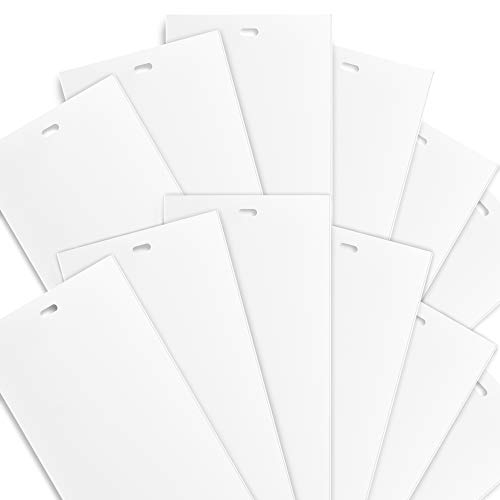
SIZING MADE FOR 6 ft. 8 inch (80 INCHES) WINDOWS - Total blind measures at 82.5 inch (Length) x 3.5 inch (Width) made to cover most sliding glass doors, patio doors, living room windows, and large bedroom windows at 80 INCHES TALL (6ft. 8 inches)

Includes ONE (1) 84” - Screen door bug seal designed to fit most patio sliding screen doors and is Made In America by sliding screen door parts experts. Our bug seal for sliding screen door s is made from the highest quality materials and can easily be cut to height for a perfect fit on most screen doors.
Regional Price Differences: Florida, California, and Beyond
I’ve noticed that where you live really changes what you’ll pay for sliding glass doors. In coastal Florida, prices typically run $1,200 to $2,500 because of humidity and salt damage concerns, but jump to $2,500 to $5,500 on the West Coast where labor costs more and contractors charge premium prices for handling coastal weather. The difference comes down to regional labor rates and local building codes, which means your location is a primary factor in determining your final cost, alongside your door choice.

ALL TOOLS IN ONE WINDOW SCREEN KIT: window screen mesh, rolling tool, retainer spline, utility knife, spline remover hook & tape measure replaces worn-out screens in just 4 easy steps, no professional help needed, finished in as little as 10 minutes.
【Fits Door Sizes 32"x80"】 The SIZE 32x80" label on the inner fabric of the magnetic screen door means it is Fit for 32x80 inch doors. Screen Door Actual Measurement is Width 34" Height 82".Versatile application for various doorways, including front doors, patio doors, and sliding doors. Fits for homes, offices, and even recreational vehicles (RVs) .

Track Retractable Sliding Screen Door: This retractable door screen features a top track design that allows you to adjust the opening width by sliding the screen mesh. The single panel screen can be pushed open to one side, making it more convenient to use than traditional fixed screen doors and providing you with an unobstructed passage
Coastal Climate Premium Pricing
Why do sliding glass doors cost so much more near the ocean? Coastal climate premium pricing reflects real challenges. Salt air and humidity demand tougher materials and finishes that resist corrosion.
- Florida installations typically run $1,200 to $2,500
- West Coast upgrades range from $2,500 to $5,500
- Premium coastal projects may need impact-rated glass and specialized frames
Location matters significantly. Coastal regions require materials built to withstand harsh conditions, unlike inland areas. West Coast labor costs run higher, reflecting broader material options and expertise needed. Local codes and supply-demand patterns create substantial price variations between coastal markets. Budgeting realistically for your sliding glass doors near the ocean requires accounting for these regional cost differences.
Labor Rate Regional Variations
How much you’ll actually pay for labor depends heavily on where you live. Regional variation in labor rates can swing your total installation cost dramatically. In Florida’s coastal areas, sliding door installation typically runs $1,200–$2,500. California pushes higher, often $2,000–$4,000 or more, because demand and regulations drive up trade labor costs. Rural areas generally cost less than urban centers.
When comparing quotes, focus on these factors:
| Region | Labor Rate Range | Typical Install Cost | Key Factor | Urban vs. Rural |
|---|---|---|---|---|
| Florida (Coastal) | 20-40% | $1,200–$2,500 | Salt/humidity | +20-30% urban |
| California | 30-60% | $2,000–$4,000+ | High demand | +25-40% urban |
| National Average | 20-50% | $1,500–$3,000 | Permits vary | +15-35% urban |
| Rural Areas | 20-35% | $800–$1,800 | Low demand | Baseline |
| Complex Jobs | 40-60% | $2,500–$5,000+ | Structural work | Variable |
Verify whether permits and removal are included in your quotes. These hidden costs add up quickly and can significantly impact your final price.
What $2,000 Gets You in Florida vs. California
When I started comparing sliding door costs across states, I realized $2,000 doesn’t buy the same thing everywhere.
In Florida, my $2,000 budget typically covers:
- A basic vinyl sliding door with standard glazing and professional installation
- Labor cost around $400–$600, leaving roughly $1,400–$1,600 for the door itself
- Quick removal of your old door included in most quotes
California’s higher labor cost and regional differences mean that same $2,000 stretches thinner. I found myself looking at mid-range vinyl options without premium features like Low-E glass. The labor cost there often runs $600–$900, eating into door quality faster.
Regional differences significantly affect what you can purchase. Labor costs and material availability vary enough that your budget buys different product tiers depending on location.

【Sliding Glass Door Rollers Replacement】These sliding door wheels are compatible with common wood, extruded aluminum or vinyl framed sliding glass doors manufactured by Jeld Wen, Truth 31761A & Truth 30410, Milgard, Marvin, Malta, Peachtree, Weathershield, Pozzi, Hurd, Lincoln, Caradco, Eagle, K&K - Kolbe & Kolbe, Andersen and others.
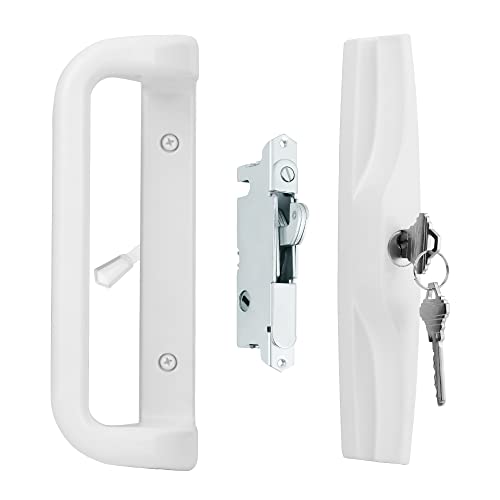
CHECK FIT FIRST: Fits selected sliding patio doors with 3-15/16 in center-to-center screw hole spacing and 1-3/16 to 2 in door thickness. Please measure your old handle, lock position, and door thickness before ordering.

Used with patio sliding door locking hardware
Energy-Efficient Sliding Doors: Premium Cost, Real Savings
When I first looked at energy-efficient sliding doors, the $2,500–$4,500 price tag seemed steep until I calculated the actual savings. Triple-pane glass and Low-E coatings cut heating and cooling bills by hundreds of dollars yearly. Fiberglass or vinyl frames deliver better performance than pricey aluminum while costing less over time. A premium door might cost $1,000 more upfront, but monthly energy savings typically offset this difference within 5-7 years while improving year-round comfort.

Durable Construction: Built with high-quality, weather-resistant materials, these sliding patio doors offer long-lasting durability and stand up to harsh weather conditions, ensuring your investment lasts.
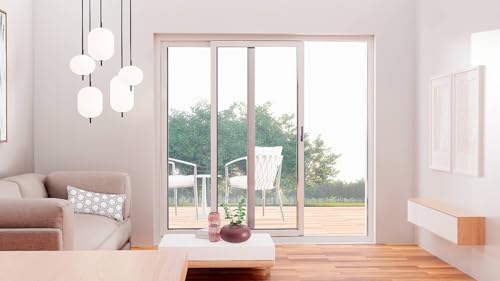
Durable Construction: Built with high-quality, weather-resistant materials, these sliding patio doors offer long-lasting durability and stand up to harsh weather conditions, ensuring your investment lasts.

ALUMINUM EDITION: Our product are using aluminum as frame to ensure high quanlity use and prevent rusting
Long-Term Energy Savings
Why’d I spend extra on energy-efficient sliding doors when standard ones cost less upfront? The long-term savings made sense for my wallet and my home.
Here’s what I discovered:
- Lower utility bills – My energy-efficient doors with Low-E glazing options reduced heating and cooling costs noticeably each month
- Faster payback period – The premium I paid upfront (around $3,000–$4,000 installed) paid for itself within 5-7 years through energy savings
- Increased home value – Buyers appreciate quality glazing and vinyl frames that promise year-round comfort
Many homeowners have made this upgrade. Triple-glazed units cost more than basic double-pane doors, but the energy efficiency produces measurable savings over time. This investment delivered the expected financial returns.
Premium Material Performance
As I compared door options, I realized that premium materials and advanced glazing actually changed how my home performed.
Triple-pane glazing with Low-E coatings made a real difference in my energy bills. These premium materials work together: the extra pane traps air, while the coating reflects heat back inside during winter. Frameless aluminum and high-end fiberglass models like Panoramic Cor-Vision Plus run $6,000 to $10,600 for 8 ft × 8 ft units and deliver measurable insulation improvements.
| Feature | Standard Door | Premium Door |
|---|---|---|
| Glazing | Double-pane | Triple-pane |
| Coating | Basic | Low-E |
| Cost | $2,000–$3,000 | $6,000–$10,600 |
The upfront costs are significant, but reduced heating and cooling loads offset expenses over time, particularly in challenging climates where premium performance provides tangible energy savings.
ROI On Efficiency Upgrades
How much should you actually spend on premium energy features? Energy efficiency upgrades like triple-pane glass and Low-E coatings push sliding doors toward the $1,200–$4,000 range, and they deliver measurable long-term savings.
Here’s what the data shows about ROI:
- Better insulation reduces heating and cooling costs over time, especially in colder climates
- Your utility rates matter. Higher rates mean faster payback periods
- Vinyl and fiberglass options deliver strong energy savings without breaking the bank
The reduced air leakage and improved thermal performance justify the initial investment. Energy bills typically drop noticeably within the first year. The upfront cost is higher, but the annual savings compound year after year, creating a genuine long-term financial advantage.
Installing Sliding Glass Doors: DIY vs. Hiring a Pro
Should you install your sliding glass door yourself or bring in a professional? This decision depends on your skills and budget. Labor typically runs 20–60% of your total cost. Basic sliding door installation runs $300–$700 if you’re handy, but complex work demands professional installation at $500–$1,500+. Simple replacements may be manageable for DIY, but removing old frames and prep work, including weatherproofing and disposal, can get messy. That’s another $100–$500 depending on complexity. If you’re confident with tools and have experience, DIY saves money. Otherwise, hiring a pro ensures your door fits properly, seals correctly, and functions smoothly for years. A professional installation reduces the risk of improper sealing, operational issues, and premature failure.

Typically used on Fran Meyer, Jim Walters, Anjac doors, and a variety of other sliding patio door manufacturers

【Screen door repair kit】The upgraded screen mesh is specially designed for pets. It is made from the reinforced PVC COATED POLYESTER not like traditional screen materials and will better extend the life of the screen. It's stronger and more durable than regular fiberglass and polyester, can effectively resist scratches and tears from pets.

SLIDING DOOR ASSEMBLY – Replace or repair broken or missing sliding door rollers with this adjustable roller assembly
Repair or Replace Your Sliding Glass Door
I’ve learned that deciding whether to repair or replace your sliding glass door really comes down to comparing what you’ll spend fixing it versus buying new. A simple repair might only cost you a few hundred dollars, but if your door’s frame is damaged or it keeps sticking no matter what you do, replacement often makes more sense in the long run. Consider whether you’ll keep pouring money into this door, or should you invest in a new one that’ll work better for years to come.
When To Replace Doors
When’s the right moment to fix your sliding glass door versus replacing it.
Timing matters based on these factors:
- Age and damage severity – If your door’s over 15 years old or has major structural issues, replacement makes sense over repairs that’ll drain your wallet repeatedly.
- Energy efficiency – Old doors often leak air constantly. Upgrading to a modern sliding door replacement with Low-E coatings reduces heating bills noticeably, offsetting the installation cost over time.
- Your door opening condition – Damaged frames or rotted wood often mean replacement instead of patch jobs.
Weigh repair costs against sliding door replacement prices ($1,200–$2,500 installed). When repairs approach 50% of replacement costs, replacement is the smarter long-term choice.
Repair Cost Versus Replacement
Now that you know when replacement makes sense, let’s talk money. The real question isn’t just whether you should replace your door, it’s whether you can afford to.
Repairs typically cost less upfront. Replacement often makes better financial sense long-term. A basic repair might run $300–$700 in labor cost, while a full replacement costs $1,200–$2,500 installed.
Your cost breakdown matters. The door itself runs $600–$3,500 depending on material; vinyl is cheapest, wood-clad is priciest. Labor usually takes 20–60% of your total bill. Add disposal fees ($100–$300) and you’re looking at substantial expenses either way.
Get quotes for both options. Sometimes replacement wins because you’re investing in efficiency and durability, not just fixing yesterday’s problems.
Save Money Without Cutting Corners
How can you get quality sliding glass doors without spending $4,000? Smart choices beat big budgets every time.
Here’s how to save money on sliding glass doors cost without settling for cheap:
- Choose vinyl or aluminum – These materials cost $600–$2,000 instead of $3,000+, and they’re still durable compared to fiberglass.
- Skip premium glazing features – Avoid triple-pane or Low-E glass unless you live in an extreme climate. Standard double-pane works fine for most homes.
- Get multiple quotes – Compare door installation cost from three contractors. Labor ranges $300–$700 for basic work, so shopping around delivers measurable savings.
The key is not cutting corners on installation quality. Sloppy work creates expensive problems later. Prioritize hiring experienced installers who charge fair rates rather than seeking the lowest bid.
Six Questions to Clarify With Your Installer
Before you sign a contract, sit down with your installer and ask six specific questions. Vague answers now create expensive surprises later.
First, ask what’s included in their quoted installation cost. Does it cover removal of your old sliding glass doors. Second, clarify the labor charge separately from materials. Costs range from $300 to $700 for basic swaps, but complex framing runs $500–$1,500 or more. Third, confirm whether your chosen door material, vinyl, fiberglass, or aluminum, affects their labor estimate. Fourth, ask about hidden fees for permits or disposal. Fifth, get timelines in writing. Finally, request references from recent sliding glass door projects.
These questions help you avoid cost overruns and timeline disputes.
Get Free Estimates From Local Glass Door Installers
Once you’ve nailed down those six installer questions, you’re ready to gather actual price quotes. Get free estimates from at least three local installers to compare sliding door installation costs accurately.
What to do:
- Contact local glass door companies and request free estimates for your specific project
- Ask each installer to include labor costs, permits, and old door disposal in their quotes
- Compare the breakdown of door price versus installation labor across all estimates
Labor typically runs 20–60% of your total bill, so those differences significantly affect your final cost. Getting free estimates from local installers helps you understand what’s normal in your area. Talking directly with installers reveals hidden costs, such as structural changes, before you commit to anything.