
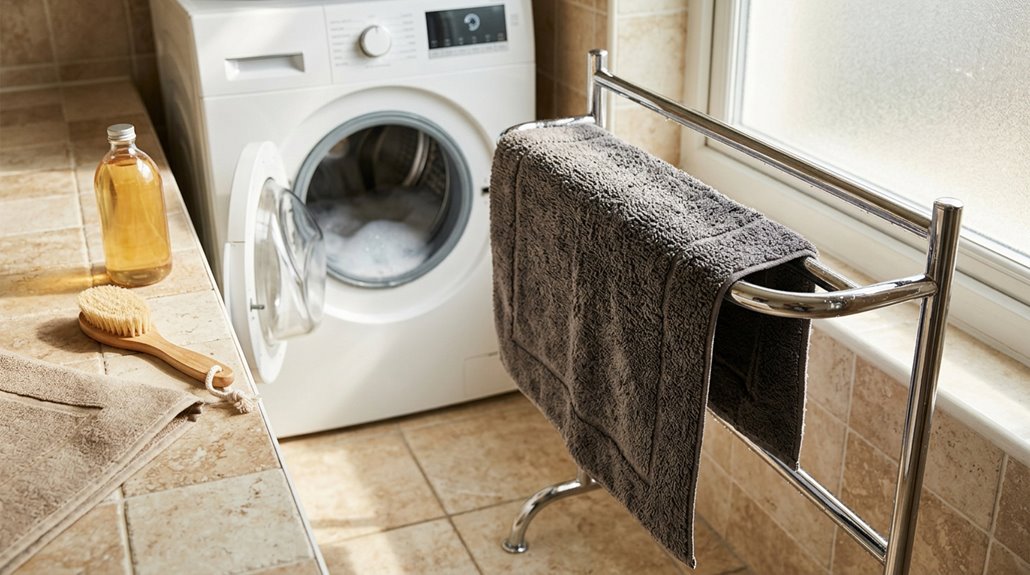
I shake out my bath mat outside first to remove loose dirt and hair. Then I check the care label and spot-treat any stains with a gentle remover.
Next, I decide whether to machine wash on a delicate cycle with cold water or hand wash in warm water. Both methods work depending on the mat’s material.
Finally, I air dry it flat or hanging to prevent mold and heat damage. Proper drying prevents mildew growth and extends the mat’s lifespan.
Shake Out Loose Dirt and Debris
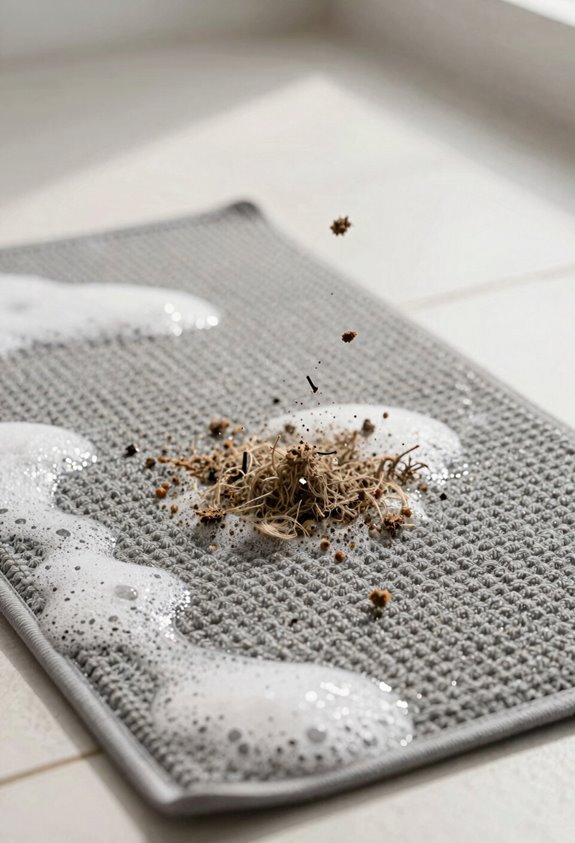
Why do bath mats seem to collect everything? Shaking out loose dirt and debris is my first defense before washing. I take my bath mat outside and give it a good shake to remove hair, dust, and grime that’s settled in the fibers. This step prevents extra buildup from transferring into my washing machine during the actual cleaning cycle.
After shaking, I inspect the mat for visible stains that might need spot treatment. Rubber-backed mats require care since they’re delicate. When I’m ready to wash, I batch load by washing bath mats with towels for better balance. If I’m washing rubber-backed rugs, I keep the temperature low and avoid heavy agitation to protect those backings.

ALL-IN-ONE STAIN REMOVING POWER: This Laundry Stain Scrubber combines an extra-strength formula with natural bio-enzymes and a brush-top applicator to deliver targeted, fiber-deep cleaning. Designed to fight set-in stains and help remove 100+ types of stains, it is a pre-wash treatment used for dependable stain removal before wash

COMBAT PET STAINS WITH CONFIDENCE: Pets bring joy and occasional messes. This 2-in-1 Oxy-Powered Pet Stain & Odor Remover is tough on pet accidents on carpets, including mud, vomit, feces, and stains up to 7 days old. Designed for carpets in busy, high-traffic homes, it helps restore a clean look at home and is safe around pets

Streaky glass shower doors? Restore your glass doors to like-new condition with this scrub pad kit.
Read the Care Label and Spot-Treat Any Stains
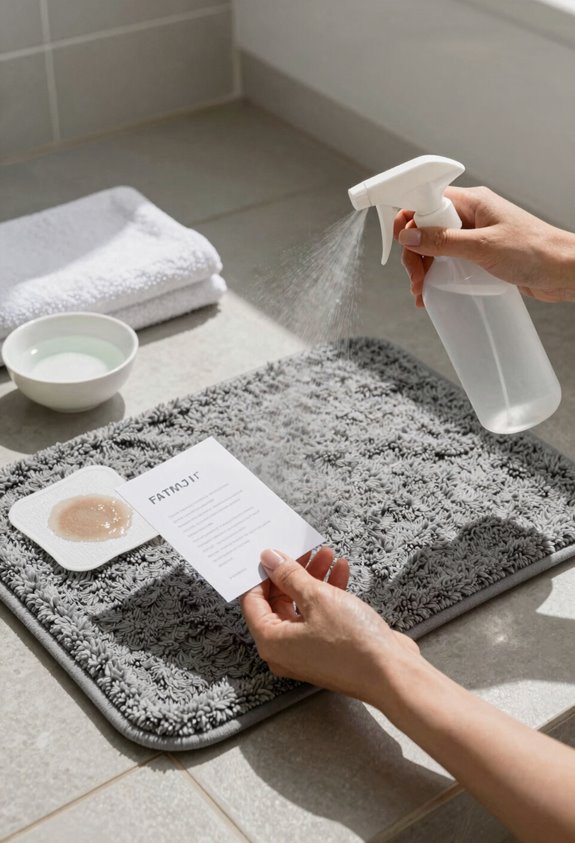
Before I toss my bath mat into the washing machine, I flip it over and check the care label stitched onto the back or side. This label tells me the right temperature, whether I need a gentle cycle, and if my mat’s memory foam or rubber-backed material needs special handling.
Next, I inspect for stains and spot-treat them immediately. I use a stain remover on visible spots, working it in gently by hand. This prevents grime from setting during the wash.
| What I Found | What I Did |
|---|---|
| Soap buildup | Spot-treated with remover |
| Mold spots | Hand-washed first |
| Dirt streaks | Pre-treated before washing |
| Discoloration | Used cold water rinse |
| Stubborn marks | Applied extra remover |
These steps result in fresher mats that last longer.

ULTRA THIN BATH MAT - If you are looking for a bath rug that can fit under the door, here it is. Our bathroom mat features a thin enough rubber backing at the bottom that can fit under the door. With a thickness as low as 0.2 inches, you can place the non-slip bath mat behind a door without being entangled with fluff upon closing the door.
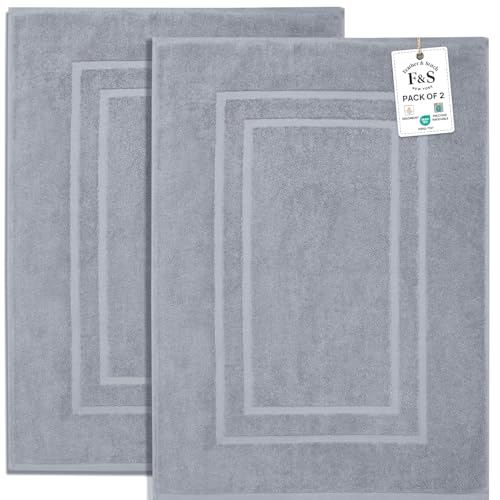
Ultra Absorbent Bath Mat: 30 x 21 Inches. Quickly soaks up water to keep floors dry and fresh after every shower. Quick-drying and highly absorbent.

Comfort and Style: Our bathroom rugs are like a warm hug for your feet, crafted with a chic waffle texture and a geometric design. Stepping out of the shower feels like landing on a cloud, transforming your bathroom into a cozy, spa-like retreat
Pick Your Method: Machine Wash or Hand Wash Your Bath Mat
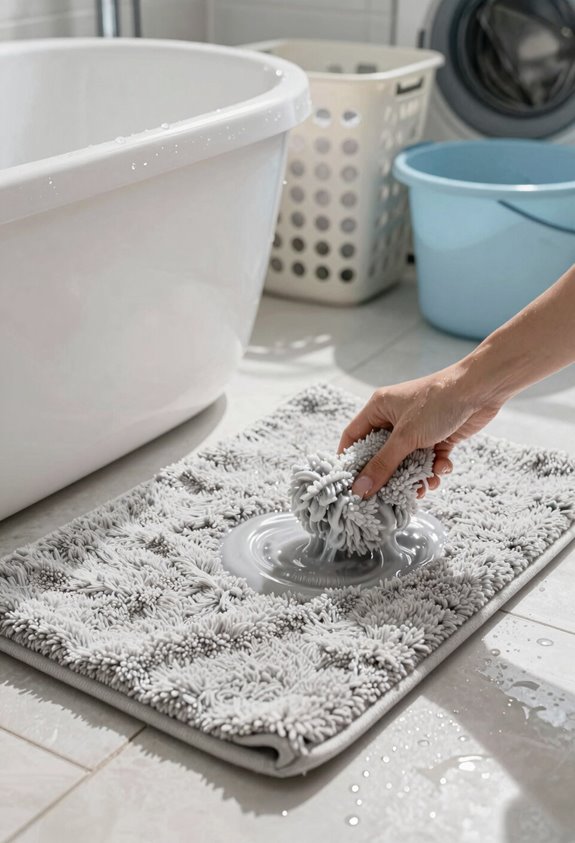
How do you know which washing method works best for your mat? The choice depends on your bath mat’s material and care label. Most bath mats work well in a machine wash using a gentle cycle with cold to warm water and mild detergent. Load them alone or with towels to keep things balanced. Memory foam and rubber-backed mats require hand washing for gentler treatment. For hand washing, shake out dirt, fill your tub with warm water and detergent, scrub gently, and rinse thoroughly. Then air dry flat. Avoid hot water and high heat with these delicate mats since they can get damaged. Checking that care label first prevents damage and extends the life of your mat.

【Non Slip Bath Mat】Our bath mat features a flexible, textured rubber backing that stays firmly where you place it, letting you step out of the shower with steady footing and enjoy a safe, relaxing bathing experience.

Upgraded Waffle Desgin: This boho bath mat is power-loomed with upgraded yarns-Integrating decoration and durability. The heavier and thicker threads are applied to make sure the pattern will be more solid and compact- NEVER OUT OF SHAPE!

Super absorption and quick drying: The bathroom mat has super absorbent, added diatomaceous earth material, fast drying, with magical absorption and drying speed, can avoid water directly on the floor, keep the bathroom floor clean and dry.
Machine Wash in Cold Water or Hand Wash in Warm Water With Gentle Detergent
Now that you’ve picked whether to machine or hand wash, it’s time to actually clean your mat. The temperature and detergent you use directly affect the outcome.
Cold water protects bath mat fibers and backing better than hot water does. For machine wash, use a delicate cycle with cold water. When hand washing, use warm water instead. Warm water helps gentle detergent work effectively without damaging mat materials.
| Method | Temperature |
|---|---|
| Machine wash | Cold water |
| Hand wash | Warm water |
| Detergent type | Gentle only |
| Care label check | Always required |
| Result | Protected backing |
Always check your care label first. It specifies what your mat needs and confirms whether machine washing is safe.

[OEKO-TEX STANDARD 100 CERTIFIED & CLOUD-LIKE COMFORT] Step onto OLANLY's premium memory foam bath mat for soft, cushioned comfort from the first step. The slow-rising foam gently conforms to your feet, then springs back to help maintain its plush feel and shape. Made with OEKO-TEX STANDARD 100 certified fabric, it offers added peace of mind for bathrooms, kitchens, and busy family spaces. Thoughtfully crafted for daily use, it delivers cloud-like comfort and a premium feel at an accessible price.
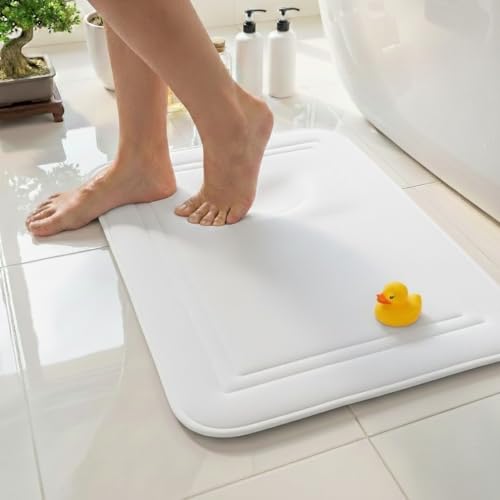
Luxurious Comfort: Experience ultimate softness with this memory foam bath mat. Designed to cushion your feet, it’s perfect for adding a touch of luxury to your bathroom, making every step feel like you’re walking on a cloud.

THICK MEMORY FOAM: featuring three quarter inch thick, cushiony memory foam that contours to the shape of your body and provides you with unique added support to help soothe achy muscles; specially constructed to help eliminate pressure on your feet and give you high level support that other bath rugs can’t provide
Air Dry Your Bath Mat Completely to Prevent Mold
Why does my bath mat smell like mold after just a few days? Moisture is the culprit. After washing, I hang my mat to air dry completely, ensuring both sides get exposure to airflow. This prevents mold and mildew from taking hold.
I never use my dryer for rubber-backed or non-slip mats because heat damages the backing. Instead, I place my mat in a well-ventilated area with direct daylight or near a fan. This speeds up drying and reduces moisture accumulation.
For weighted mats, I lay them flat to ensure all moisture escapes. I wait until my mat is fully dry before using it again. Remaining moisture creates that awful smell and invites mold growth. Proper drying keeps my bath mat fresh and hygienic.
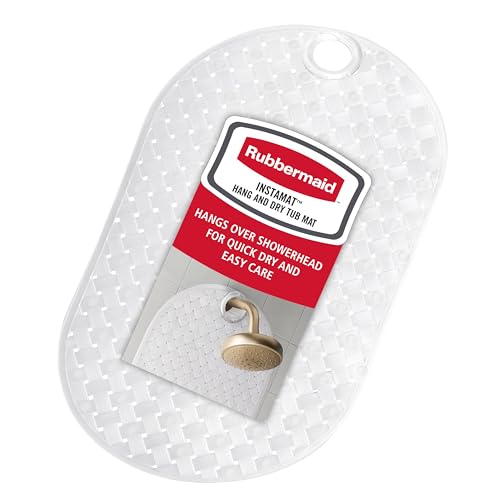
Bath mat fits in most tubs and showers: 27.2 in. L by 15.2 in. W tub mat fits in standard bathtubs and showers to provide a non-slip surface exactly where you need it without covering the entire tub floor

OUR SAFEST BATH MAT YET | 4X HIGH-STRENGTH SUCTION CUPS: Feel more secure on your feet than ever before. With 4X the suction cups than other brands, we engineered our non-slip bath mats to keep you safe in the slipperiest of situations.

Safe and anti slip: With 104 strategically placed suction cups, this bathtub mat adheres firmly to shower and bathtub floors, providing reliable slip resistance even in wet conditions. Ideal for toddlers, elderly users, and disabled individuals.