
Most bathroom sinks use a 1-1/4 inch drain tailpiece, which is the standard you’ll find at any hardware store.
The actual size that matters depends on what’s already installed under your sink. You need to measure the threaded diameter underneath, not the opening above.
Your tailpiece connects to a P-trap, usually 1-1/2 inches, so adapters often bridge the gap.
Getting this wrong causes leaks and slow drainage.
Measure correctly by checking the existing drain diameter before purchasing replacement parts.
The Standard 1-1/4 Inch Drain: Why It Dominates Residential Bathrooms
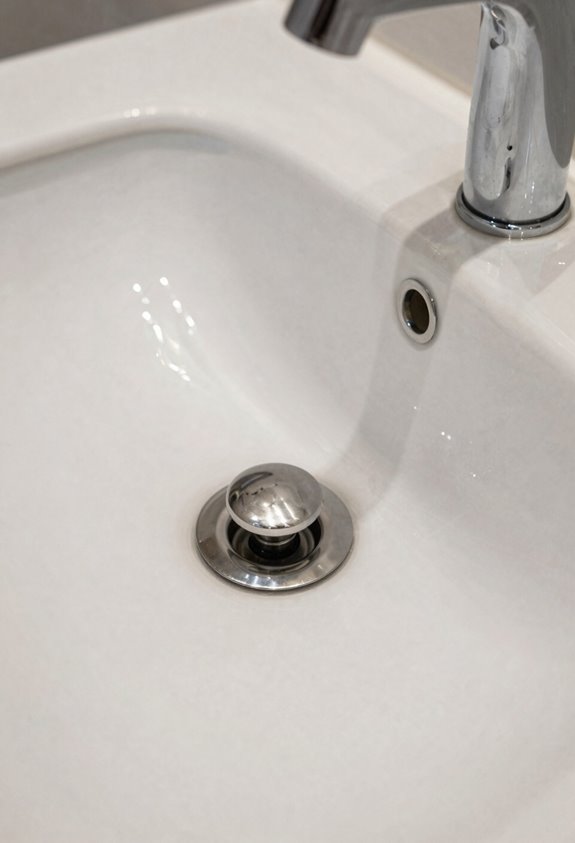
Why does almost every bathroom sink you’ll encounter have the same drain size? The answer is straightforward: the 1-1/4 inch drain is the standard that works. Under most bathroom sinks, you’ll find that same measurement on the tailpiece, the pipe connecting the sink to the P-trap below.
This size has dominated residential bathrooms for decades, and for good reason. Hardware stores stock 1-1/4 inch drains everywhere because they fit most sinks built over the years. The threaded portion passes through your sink and connects to your plumbing system seamlessly.
While your P-trap might be 1-1/2 inches for better water flow, that 1-1/4 inch tailpiece is where the drainage process begins. It’s reliable, widely available, and has a proven track record across decades of residential use.

[UNIVERSAL USAGE]: This product isa single sink tailpiece with a, used to connect your sink drain pipe above to the P-trap pipe below. The piece features a single-side flanged edge that conforms to the 1 1/4 inch universal standard connection of some sinks.


Complete Package: in addition to the 2 pieces of flanged sink tailpiece enclosed in the package, you will receive 2 nuts and 2 washers; These included extras ensure firm and secure installation, providing you with a more comprehensive, ready to use installation kit
When to Upgrade to a 1-1/2 Inch Drain
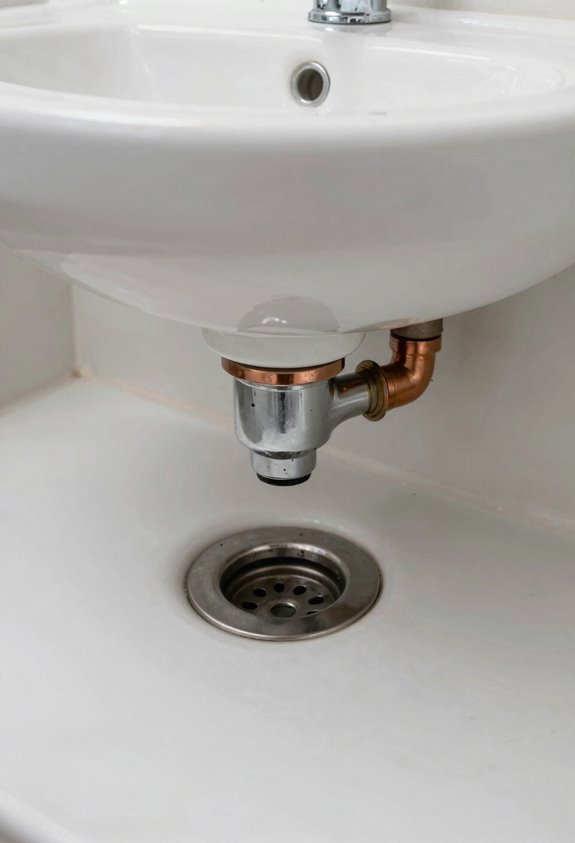
When should you consider moving beyond that standard 1-1/4 inch drain? Upgrading to a 1-1/2 inch drain makes sense in specific situations:
- Larger bathrooms where you want better water flow and fewer clogs
- New installations where you’re building from scratch and can plan accordingly
- Multiple fixtures draining into one line that needs extra capacity
- Existing slow drainage problems that smaller pipes can’t handle
My old bathroom would have benefited from this upgrade. The 1-1/2 inch drain requires a sink opening large enough to accept the assembly, which may limit your options on existing sinks. Before upgrading, always verify that the sink hole, tailpiece, and trap layout are compatible. Adapters can help bridge different sizes if needed.
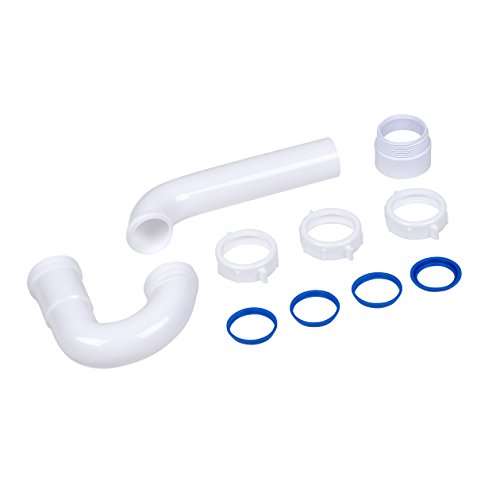
Made of PVC for easier cutting and glue applications

New design, Easy to install, J-bend can be adjusted for extend and bend.

Why Drain Size Matters: Plumbing Codes and Real-World Performance

Drain size isn’t just about what fits. It requires following plumbing codes and ensuring water flows properly. When tackling a bathroom sink drain, selecting the wrong size can slow drainage, cause clogs, or allow sewer gas to enter the home. This occurs when pipes become too large and lose their velocity.
Proper sizing balances competing factors. Smaller drains prevent clogs but can back up. Oversized pipes allow water to move too slowly and create gaps where odors escape into living spaces.

1 1/4 to 1 1/2 Pipe Connections – Ideal for connecting pipe under sinks, tubs, or utility basins, utilizes a convenient slip joint connection.

Package Content: You will receive 1 piece of 1-1/4" to 1-1/2" sink drain adapter and 1 silicone sealing ring. Ideal for connecting pipes under sinks, bathtubs, or sinks.

1 1/4 to 1 1/2 sink drain adapter with 1-1/4 inch inlet and 1-1/2 inch outlet, suitable for reducing connections between sink drains and pipes
Code Requirements And Standards
drain size isn’t just a preference. It’s actually backed by plumbing codes that exist for good reason.
When I first tackled my bathroom sink installation, I discovered that codes recognize 1-1/4 inch drains as the standard, though a 1-1/2 inch drain pipe offers real advantages. Codes matter for these reasons:
- Velocity and flow: Properly sized drains maintain the speed needed to move water and solids effectively
- Trap seal integrity: Code-compliant sizing keeps your P-trap working correctly and prevents sewer gas backup
- Clog prevention: Right-sized pipes reduce blockages that plague undersized installations
- Venting requirements: Wall connections and traps must match consistently for code compliance
Following these standards prevents costly repairs and system failures in your home.
Flow Velocity And Drainage Performance
Why does drain size actually matter for how water flows? Drain velocity, or how fast water moves through your pipes, directly affects whether your sink drains properly or clogs constantly.
A larger 1-1/2 inch drain moves water faster than a smaller 1-1/4 inch one. This speed helps push debris through the system instead of letting it sit and accumulate. When a larger drain is installed in a bathroom, water disappears quicker and clogs become rare.
If your drain moves too slowly, water pools and creates sewer gas smells. If it moves too fast, solids don’t travel properly either. Balancing velocity with your sink’s actual opening size keeps everything working smoothly and prevents backups.
Clogging Prevention Through Sizing
The right drain sizes stop clogs before they start. I’ve watched 1-1/4 inch drains struggle under heavy use, while 1-1/2 inch options kept water flowing smoothly. The difference is flow velocity. When water moves faster through a larger pipe, debris doesn’t stick around to build up.
Why drain sizes matter for clog prevention:
- Larger pipes reduce debris buildup – faster water flow carries waste through instead of letting it settle
- 1-1/2 inch drains handle peak usage better – showers and multiple sinks don’t overwhelm the system
- Better compatibility with P-traps – proper sizing pairs tailpieces with matching trap sizes for optimal performance
- Fewer emergency calls – investing in right-sized drainage reduces service costs and system failures
Sizing is code compliance and practical protection. Proper drain dimensions directly prevent the clogs that lead to expensive repairs.
Measuring Your Sink Drain Opening From Underneath
How do you know which drain pipe actually fits your sink? Measuring from underneath is your best approach. Grab your ruler and check the threaded section where the drain connects. That’s where the actual diameter is located. You’re looking for either a 1-1/4 inch tailpiece or a 1-1/2 inch drain pipe, which are the standard sizes most commonly encountered.
Don’t rely on the sink opening measured from above since it’s often misleading. Instead, measure the actual threaded diameter under the sink with a caliper or ruler. This tells you exactly what you’re working with. Getting this measurement right saves frustration later and ensures your drain assembly fits properly with the P-trap and wall connection. This small step makes everything else easier.
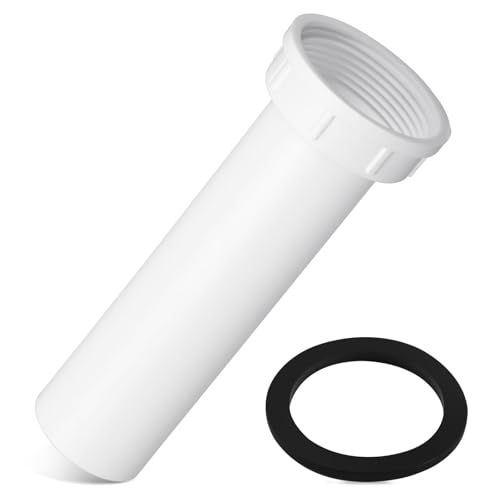
PRODUCT DIMENSION: 1-1/2-inch od, 6-Inch length Thread Sink tailpiece.


PRODUCT DIMENSION: 1-1/2-inch od, 6-Inch length Thread Sink tailpiece.
Drain Assembly: Tailpiece, Trap, and Connection Sizes
Once you’ve figured out your sink’s actual drain size, you’re ready to look at how all the pieces fit together. Understanding your drain assembly, the tailpiece, trap, and connections, makes installation significantly easier.
Understanding your drain assembly, tailpiece, trap, and connections makes sink installation significantly easier.
Here’s what works best:
- Standard tailpiece size: Most sinks use 1-1/4 inch tailpieces
- P-trap sizing: Wall connections typically need 1-1/2 inch components
- Mixed configurations: Older installations sometimes flip these sizes around
- Adapters save the day: Reducer washers connect mismatched sizes seamlessly
Leaks occur frequently when people ignore these measurements. Mismatched sizes cause poor drainage and sewer gas odors. Proper sizing ensures everything flows correctly and seals tight. Adapters are smart solutions that let you work with what you’ve got.

TRUSTED BRAND: Drano Max Gel Drain Clog Remover is the #1 Selling Gel Drain Cleaner*. Avoid spending money on a plumber and use Drano.

ELIMINATES CLOGS FAST: Our powerful shower drain clog remover dissolves hair & soap scum in as little as 30 minutes.

【Metal Claw Grabber for Stubborn Clogs】 This extra-long 35.5-inch metal grabber features a flexible yet sturdy shaft and a 4-claw tip that opens and closes by the handle. It bends easily into curved pipes and P-traps to latch onto solid obstructions, toys, and thick hair clogs that plastic snakes simply can’t grip.
How Drain Types Affect Your Bathroom Sink Size
Why’d I spend three hours troubleshooting a leaky sink before realizing the drain type was the real culprit? I learned that different drain types directly impact your sink’s performance and compatibility.
P-traps come in 1-1/2 inch sizes, while tailpieces are often 1-1/4 inch. This mismatch confused me at first. Newer, larger sinks typically use 1-1/2 inch drains for better water flow and fewer clogs. Older sinks usually stick with 1-1/4 inch.
Your sink opening size doesn’t always match your drain size. Some 1-5/8 inch openings still use 1-1/4 inch assemblies. Understanding this distinction allows you to use reducer washers and adapters to make compatible connections between mismatched sizes and prevent future leaks.

CHECK SINK OPENING AND DRAIN CONNECTION BEFORE ORDERING – Please measure your sink drain opening and compare it with the size chart before purchase. Fits sink openings from 1.57 to 2.36 inches and uses a 1-1/4 inch tailpiece with an approximate 1.22 inch (31 mm) outer diameter. If your sink or plumbing is non-standard, an adapter or professional adjustment may be required.
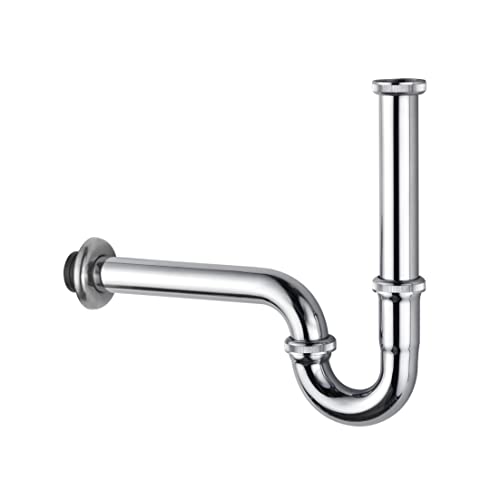
ADJUSTABLE DESIGN – Adjustable height from 165-200mm with extended 335mm outlet length for flexible sink installation.

FLEXIBLE SINK TRAP:This flexible P trap includes a expandable J bend ,which is made of flexible material and corrugated stretch design, It can be bent and stretched at will in a narrow sink space , the length,height and installation direction can be adjusted easily, not only can be used for regular connect the regular kitchen sink drain , but also great for constrained space and odd installations.
Mistakes That Cause Slow Drains and Leaks
I’ve learned the hard way that mismatching drain sizes is one of the easiest mistakes to make, and it’s also one of the most costly. When I didn’t pay attention to drain size suitability, I ended up with slow drainage and leaks that could’ve been prevented.
The most common problems include:
- Mixing 1-1/4 inch tailpieces with 1-1/2 inch P-traps without proper adapters breaks the seal
- Ignoring your sink’s opening size; a 1-5/8 inch opening doesn’t automatically mean 1-1/4 inch drain compatibility
- Forgetting reducer washers when connecting mismatched sizes leads to standing water
- Misaligning the wall drain connection creates sewer gas odors and poor drainage
Checking both your sink opening and threaded drain size before installation prevents these issues. Use adapters when sizes don’t match to avoid slow drainage and leaks.

Easy installation sink plumbing kit for basin with USA standard size

Made of PVC for easier cutting and glue applications

PATENTED BAYONET DESIGN – Features an innovative Load, Turn & Lock system that allows for installation in just minutes. No tools, no hassle – simply turn and click for a secure connection.
Adapter Fittings: When and How to Change Sizes Below the Sink
What if your sink opening is one size but your wall drain connection is another. Adapter fittings solve this problem by bridging the gap between different drain sizes, such as a 1-1/4 inch tailpiece meeting a 1-1/2 inch P-trap.
During a bathroom renovation, I discovered my sink hole didn’t match my new trap size. Adapter fittings allowed me to keep my existing sink opening while connecting larger drain components. I used reducer washers to join the smaller tailpiece to the larger slip-nut trap, creating a leak-free fit.
The key is matching everything: your sink opening, the adapter, and your wall connection. You don’t need to replace everything. Simply adapt what you have with the correct fitting size.

DURABLE AND STURDY MATERIAL – Made of high-quality, corrosion-resistant materials, this dishwasher drain hose adapter can withstand long-term use and provide reliable...
Choosing Drain Sizes for Vessel Sinks and Special Fixtures
Vessel sinks throw a wrench into standard drain sizing because they sit higher than regular sinks. This requires careful measurement from the sink bottom to where the P-trap sits underneath. Most vessel sinks use the standard 1-1/4 inch drain, but tailpiece length matters more than drain size itself. Too short a tailpiece causes leaks, while too long a tailpiece won’t fit properly. When upgrading to a 1-1/2 inch P-trap or working with an odd setup, adapters and reducer washers allow smooth connections without replacing the entire drainage system.

COMPLETE 3.5" DRAIN ASSEMBLY (NOT A SINGLE BASKET): Fits standard 3.5-inch (3-1/2") drain openings in kitchen, prep, and bar sinks. A full replacement kit for old, leaking, or rusted drains - not just a shallow replacement basket. (Note: not compatible with garbage disposal units.)

Kitchen sink drain extension thread pipe 1 1/2 inch x 12 inch Length.

Perfect for upgrading kitchen and bathroom sink fixtures, ensuring seamless functionality and style.
Vessel Sink Drain Requirements
When installing a vessel sink, drain sizes often cause confusion. Vessel sink drains use a standard 1-1/4 inch connection, even though the sink opening looks much larger. The key is measuring your tailpiece correctly, from the sink bottom to where your P-trap starts. This prevents clearance problems later.
What you need to know:
- Standard vessel sink drains are 1-1/4 inch, not the opening size
- Measure tailpiece length based on your sink height and P-trap location
- Unusual openings (around 1-5/8 inch) may need adapters
- Verify your P-trap connects at 1-1/2 inch with proper slip joint adapters
Measuring correctly upfront prevents installation complications.
Tailpiece Length Considerations
Because your vessel sink drain opening looks standard doesn’t mean your tailpiece will. I’ve measured countless sink installations, and I’ve discovered that tailpiece length really matters when you’re working with elevated basins.
The key is measuring from your sink’s bottom to where your P-trap inlet sits. This distance tells you exactly what tailpiece length you’ll need. Account for the overflow and make sure nothing gets pinched or blocked.
Standard tailpieces often fall short with vessel sinks since they sit higher than traditional drop-in models. Longer options are frequently necessary. Sufficient thread engagement ensures connections stay tight and water flows smoothly downward toward the trap.
What Size Should You Buy? A Final Checklist
How do you know you’re grabbing the right drain pipe size? Taking five minutes to measure beats spending hours fixing mistakes later. Use this checklist to ensure success:
Taking five minutes to measure your drain pipe beats spending hours fixing mistakes later.
- Measure your sink opening—it’s usually 1-5/8 inches, which determines your drain assembly compatibility
- Check the underside threads to confirm if you need 1-1/4 inch or 1-1/2 inch tailpieces
- Verify your P-trap size matches your wall connection, typically 1-1/2 inches
- Consider whether adapters make sense for your setup before purchasing
Write down these measurements and snap photos. Most standard bathrooms need 1-1/4 inch tailpieces with 1-1/2 inch traps, but your specific sink might differ. Knowing your drain pipe size beforehand means you’ll leave the store with the correct specifications rather than guessing.

DRAIN CLOG REMOVER: Liquid-Plumr Hair Clog Eliminator is specially formulated for hair clogs, the most common reason for clogs in your drain

DRAIN CLOG REMOVER: This Liquid-Plumr Pro-Strength Clog Destroyer Gel is fortified with 3X action to protect, prevent and destroy clogs; Packaging may vary

TRUSTED BRAND: Drano has been used and trusted for generations. Avoid spending money on a plumber and use Drano.